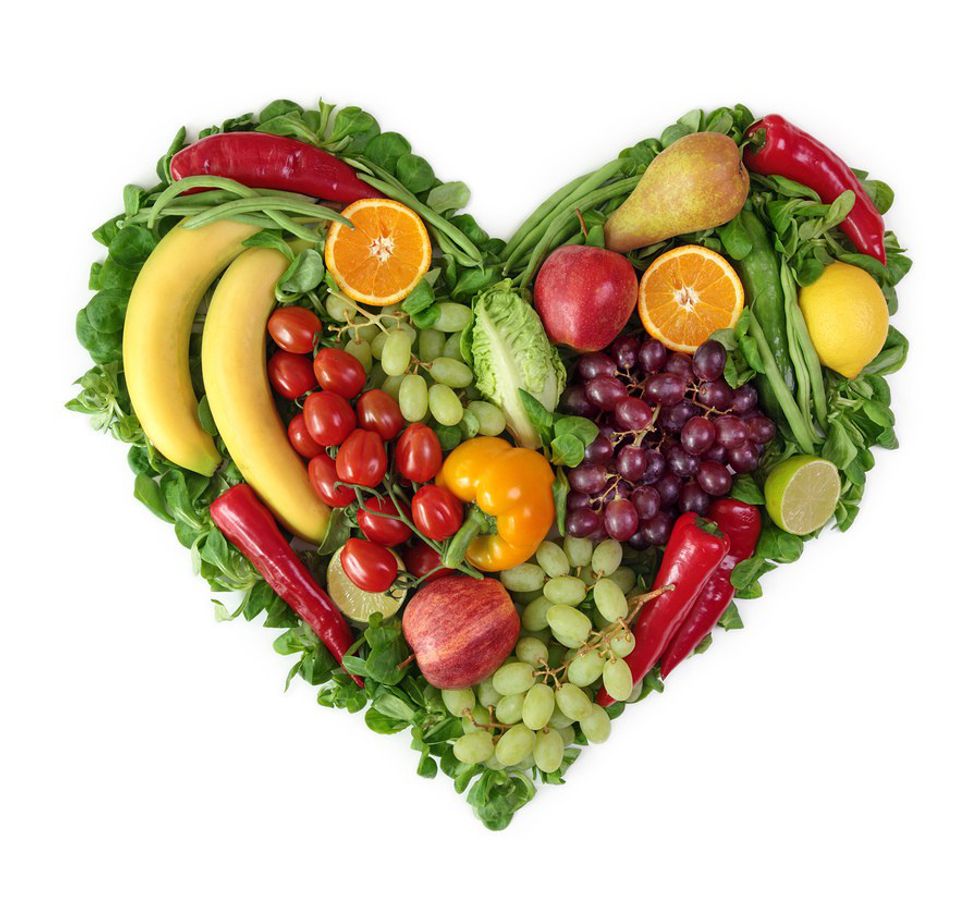

Vegetarianism has raised a series of controversy over the past years. However, recently several people in our society have chosen to follow some sort of vegetarian diet. An absolute vegetarian diet (also known as the vegan diet), is when a person does not consume any meats, dairy or animal products, obtaining what they need only from plant-based foods. A big concern, that I'm hoping to put to rest now, is whether or not the vegetarians are receiving the correct amount of nutrients that their bodies need from a diet that consists of only non-meat foods.
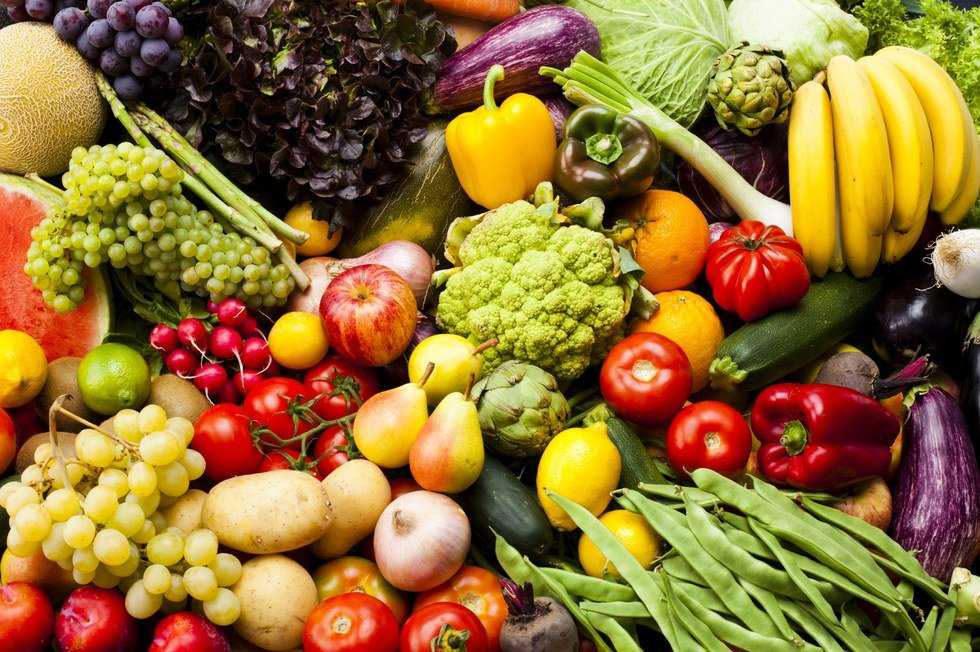
An average vegetarian eats a large variety of fruits and vegetables, and smaller portions of nuts, legumes, beans, and whole grains. Concerns about an absolute vegetarian’s health have always been a major topic in focus. There have been many advantages of this diet, but also a few consequences that it can lead to if a person isn't cautious and aware of all the nutrients they're receiving.
The usual consumption of non-animal protein such as beans, soy, legumes, nuts and seeds to substitute any meat products lack one or more essential amino acids (the building blocks of our bodies) when eaten on their own. The importance of obtaining these vital nutrients require a vegetarian to combine foods within each meal in order to guarantee all essential amino acids are consumed for their body’s needs. The combination of a variety of foods produce a complete protein, these food pairings are called complementary proteins.
Complementary proteins are different types of foods that contain small amounts of protein, but not all of the essential amino acids that a steak would easily provide. This combination of foods must be eaten in the same meal, allowing the vegetarian to gain all amino acids, calories, carbohydrates and healthy fats that will provide fuel for the rest of their day. Vegetarian/vegan diets, if not properly meal-planned, usually lead to a deficiency in Vitamin B12, Zinc, Iron, Calcium, or Vitamin D. Lacking any of these vital nutrients can effect a person's everyday energy, immunity, appetite, brain function, anxiety and the list goes on.
These deficiencies could possibly be the reasoning behind why many people have such strong opinions against becoming a vegetarian, and also why concerns of being a vegetarian have been a popular subject of question. Why would anybody commit to this difficult, demanding, deadly lifestyle?
Turns out, it might not be as challenging as you would think. Current day research has adjusted its focus on how vegetarian diets can impact a person’s health positively.
Vegetarians can find plant-based foods that replace the animal sources containing essential nutrients, or choose to use a supplement within their diet. Foods high in Calcium and Vitamin D and suitable for vegetarians include fortified (extra nutrients added) nut milks and juices, tofu, seeds, nuts, and some green vegetables. For Zinc, whole grain breads, nuts and chickpeas will do the trick. Iron can be found in foods such as cooked beans, leafy greens, and fortified grains, all of which are vegetarian applicable.
Harvard Medical School published a study announcing that, "plant-based eating is recognized as not only nutritionally sufficient, but also as a way to reduce the risk for many chronic illnesses.” In the study, it also suggests that a well balanced vegetarian diet can be the therapeutic treatment for many chronic diseases including obesity, heart disease, type 2 diabetes, cancer, high blood pressure, some digestive issues, and kidney disease.
Obesity can be improved with the high-fiber foods associated with vegetarianism such as, whole grains, fruits and vegetables, and beans. The high fiber and lesser calories slow the process of food intake, providing a longer-fullness for the person, and allowing them to resist overindulging. Many diseases fall into place when a person is overweight, whereas if the person continues to improve their health by following the restrictions of a vegetarian diet, they are able to further prevent the onset of other diseases/risks.
Heart disease, which is the domino effect of obesity, can be treated with a vegetarian diet, as the study shows. The foods within the green diet are low in saturated fats, allowing the body to alleviate and lower the levels of cholesterol. High levels of dense, soluble nutrients within the various vegetarian-strict foods limit some of the elevation steps in this disease, preventing a heart attack or stroke when the disease onsets, and giving the person a chance to increase weight loss to obtain better health.
Weight loss decreases high blood glucose, which is a key factor in the treatment of type 2 Diabetes. Foods high in fiber, such as whole grains, allow the body to use blood sugar more precisely, and prevent random hunger spikes between meal times. The plant-based foods within vegetarian diets provide minimal sodium and offer greater support in maintaining an adequate blood pressure.
Dietary choices have a tremendous effect on human health, and vegetarianism has been placed high up on priority list for healthy diets. The underestimated vegetarian diet has been previously recollected to be a risky, nutrient lacking dietary choice. However, more studies have proven the benefits of this diet, and how the nutritional values pose as a support system for the prevention of many chronic diseases following obesity, and even the treatment of cancer.
Our society is increasing daily with people following the ways of unhealthy eating habits and suffering from disease. The more people that become aware of the non-meat diet’s benefits, the better chance it will catch the eyes of those who have enough courage and care for their own health to adopt the vegetarian lifestyle and maintain a happy, green heart.