"Yet again without a gold medal... yet again, undemocratic."
This year's Olympic was a delight and somewhat special! We witnessed Olympic swimmer Michael Phelps go out with his 23rd gold medal, the fabulous and diverse Final Five of the U.S women's gymnastics team, Black American swimmer Simone Manuel's historic victory, and the first ever Olympic Refugee Team. However, once the Olympic flame goes out, so does the hype. The teams return to their home countries, some with one more gold medal around their necks, others returning as they came -- empty handed. Amongst the latter group is the Central African country of Gabon which, side note, offered its scenery for 2016's The Legend of Tarzan.
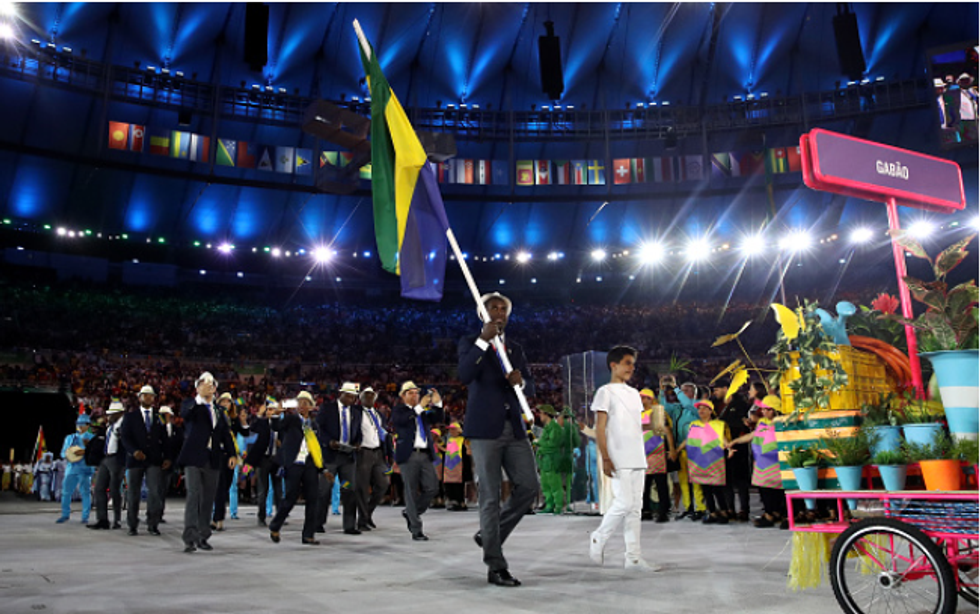
Gabon is a country located on the Atlantic coast of West-Central Africa with a population just above 1 million. Before gaining independence in August 17 of 1960, it was a French colony part of French Equatorial Africa. Gabon first made it to the games in 1972 with only one athlete. They won their first medal 40 years later at the 2012 Olympics in London; the silver medal was received by Taekwondo fighter Anthony Obame. So this year, the Gabonese fans once again put their faith in the silver medalist, who put up a good fight but unfortunately returned home. However, this disappointment quickly passed, as the Gabonese had another significant event to look forward to: Gabon's presidential elections. And, just as the athletes returned yet again without a gold medal, the Gabonese would experience a system that is, yet again, undemocratic.
"Gabon is gold gilded."
For the past 5 decades, Gabon has been ruled by the same family, the Bongos. In 2009, after reigning the country for 42 years, due to a constitutional amendment that allowed him to rule for life, Omar Bongo passed away. His sudden death opened up the doors for a new era. Unfortunately, this was threatened by the disputed succession of his adoptive son Ali Bongo. Much to the citizen's dismay, the former came into power with the promise better the country (said every dictator ever). Flash forward 7 years and the country remains one of the richest countries in Africa, mostly due to its oil production. However, despite being rich in natural resources and efficient in exploiting these resources, one third of the Gabonese population remains below the poverty line. Despite lacking Olympic gold medals, Gabon is gold gilded, giving the appearance not only of being emergent, but also that of being democratic. This has to make you wonder, why would the Gabonese tolerate the continued reign of a dictator under such conditions? Spoiler alert: they don't.
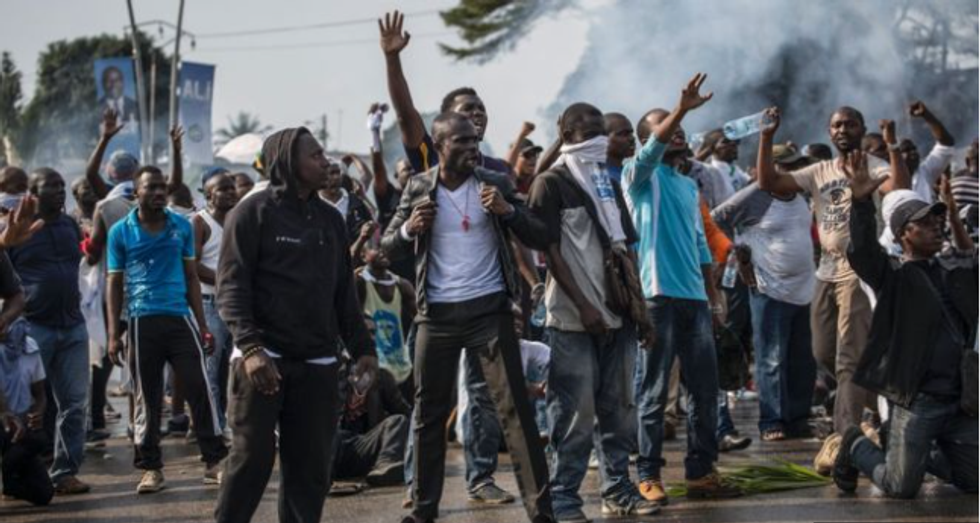
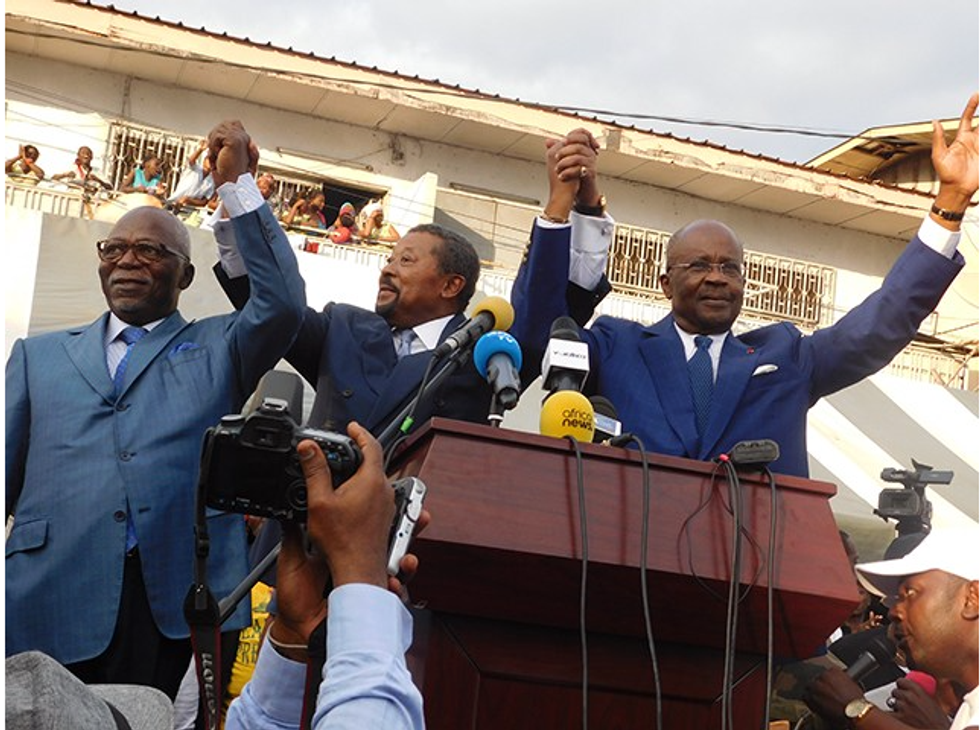
On the 27th of August (2016), citizens went to the polls in their respective provinces to cast their votes as is the routine every 7 years. However, this year was different. This year, many Gabonese politicians said enough and pulled away from the dominant Gabonese Democratic Party to form the National Union of Gabon. Several candidates ran for election all with one goal: to end the reign of Bongo. Close to the election, Jean Ping, one of these politicians, was chosen to be the only running candidate of the opposition. Ping brought out a massive crowd of supporters received the massive support of the people, especially the youth.
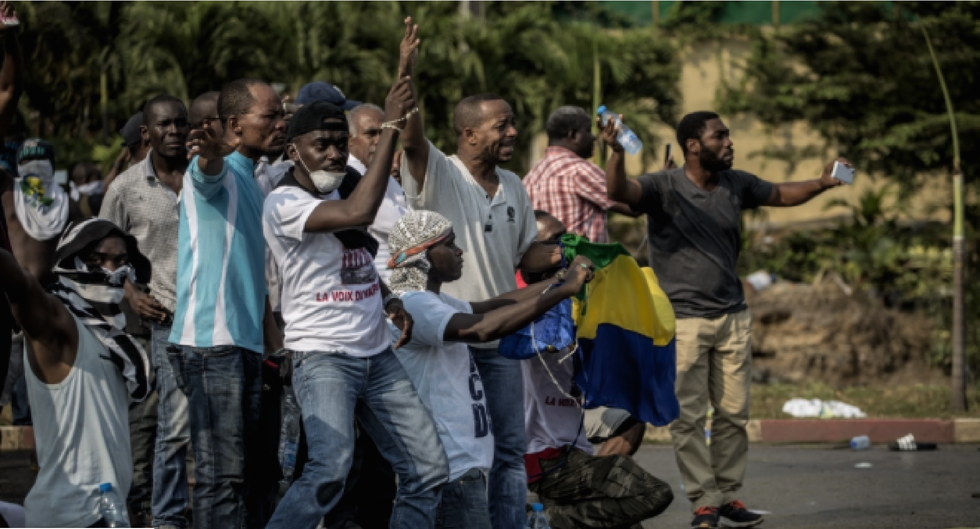
 So on the 27th, the Gabonese people showed up to the poles to make their choice: more of the same with Ali Bongo or a change, which Bongo promised, with Jean Ping. As the votes were being counted, they waited eagerly by their television for the reveal. Several young Gabonese took it to the internet demanding the results, all with hopes that Bongo's reign would finally come to an end. Three days later on the 30th, after delaying the announcement for suspicious reasons, the Gabonese electoral commission announced the winner as the incumbent Ali Bongo. Needless to say, this enraged the Gabonese people. What was infuriating was not so much the announcement that he had won, but more so the way they tried to justify the blatantly rigged results to the people. The commission claimed that Bongo's win came down to his "home province" of Haut-Ogooué. According to their numbers, the voting turn out in that region was 99.93% (while that of the country overall was only 60%), a number so unimaginable that even countries where voting is a requirement have never recorded such a turn out. This infuriated many Gabonese, who felt insulted by the commission's audacity. Refusing to accept the false results, they did not remain behind their screens (the Internet was shut down) and took it to the streets.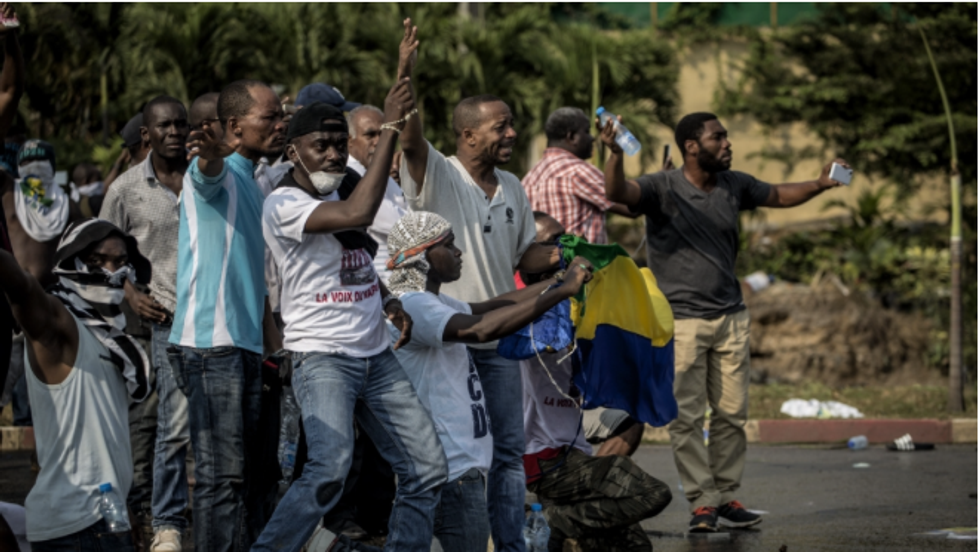
"Violence erupted like never before."
Violence erupted like never before seen in Gabon's history; the people had had enough. Protesters flocked the streets, heading for the electoral commission. They were met by military forces armed with tear gas and stun grenades. The protesters set several buildings on fire, most notably the country's parliament, and pillaged many of the capital's stores. Many have been injured, some 1,000 have been arrested, and, so far, two citizens have lost their lives.
This is the bloodiest riot Gabon has experienced in a long while and it is only getting worse by day. International officials have stepped up and urged the nation to restore order. The United Nation's Secretary General, Ban Ki-Moon, has asked them to reinstate communication services. Both France and the United States have asked that the real results be revealed. As the nation awaits the confirmation of Jean Ping's election, Gabon remains on the verge of violent and life-threatening clashes.