Farming has changed in the past couple of years, but it has consequences on the way we are now, and the health related issues it can cause. Some of these issues are E. coli based death; Salmonella based death, and a large range of other diseases that can be fatal.
Chicken eggs, pigs, and some other domestic animals are known for having the disease Salmonella. Beef is known for containing the disease E. coli which is known for taking the life of little Kevin Kowalyck. According to Congresswoman Anna G. Eshoo’s main website she describes how this two-and-a-half-year-old boy died after eating a single hamburger.
She thanks his mother for sharing the story with her, and thinks that it should be passed as a law so that companies can stop this problem if it keeps recurring. This law wasn’t passed by Congress, and Barbra Kowalyck, the mother of Kevin is trying. It makes people think what are company’s trying to hide from us the people who have to buy, and eat these foods.
Chickens are animals that are cooked many different ways. They can be roasted, baked, fried, sautéed, and many other ways to be prepared. In the article Arsenic in Our Chicken, he talks about how illegal drugs are put in the same chicken that we cook. “Factory farms are routinely fed caffeine, active ingredients of Tylenol and Benadryl, banned antibiotics and even Arsenic”.
As much as these drugs enhance our food they can really mess with our bodies, and give us certain diseases that are fatal. Factory farming is a messed up way of making food these days, but people eat it anyway. The only reason for that is that people don’t always know this.
It takes people who are willing to go the extra mile, and get the information they need to get this information out of people. Sometimes a few films never hurt anyone, or so we thought.
Many great documentaries have been filmed on the dangers of fast food, and what goes into and on with the food that we eat before it reaches our plates. Two of the most well-known documentaries on the food industry are Super-Size Me, and Food Inc.
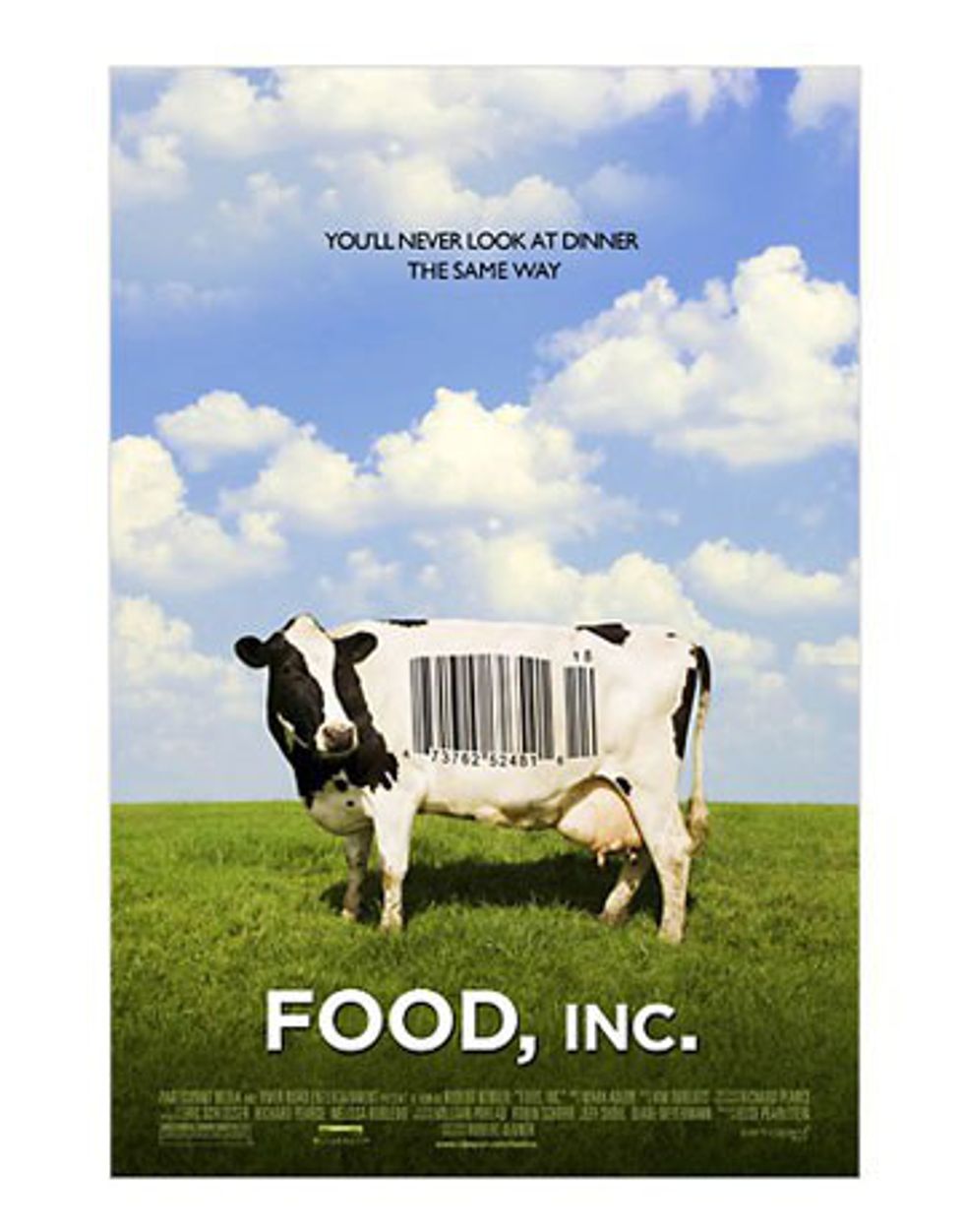
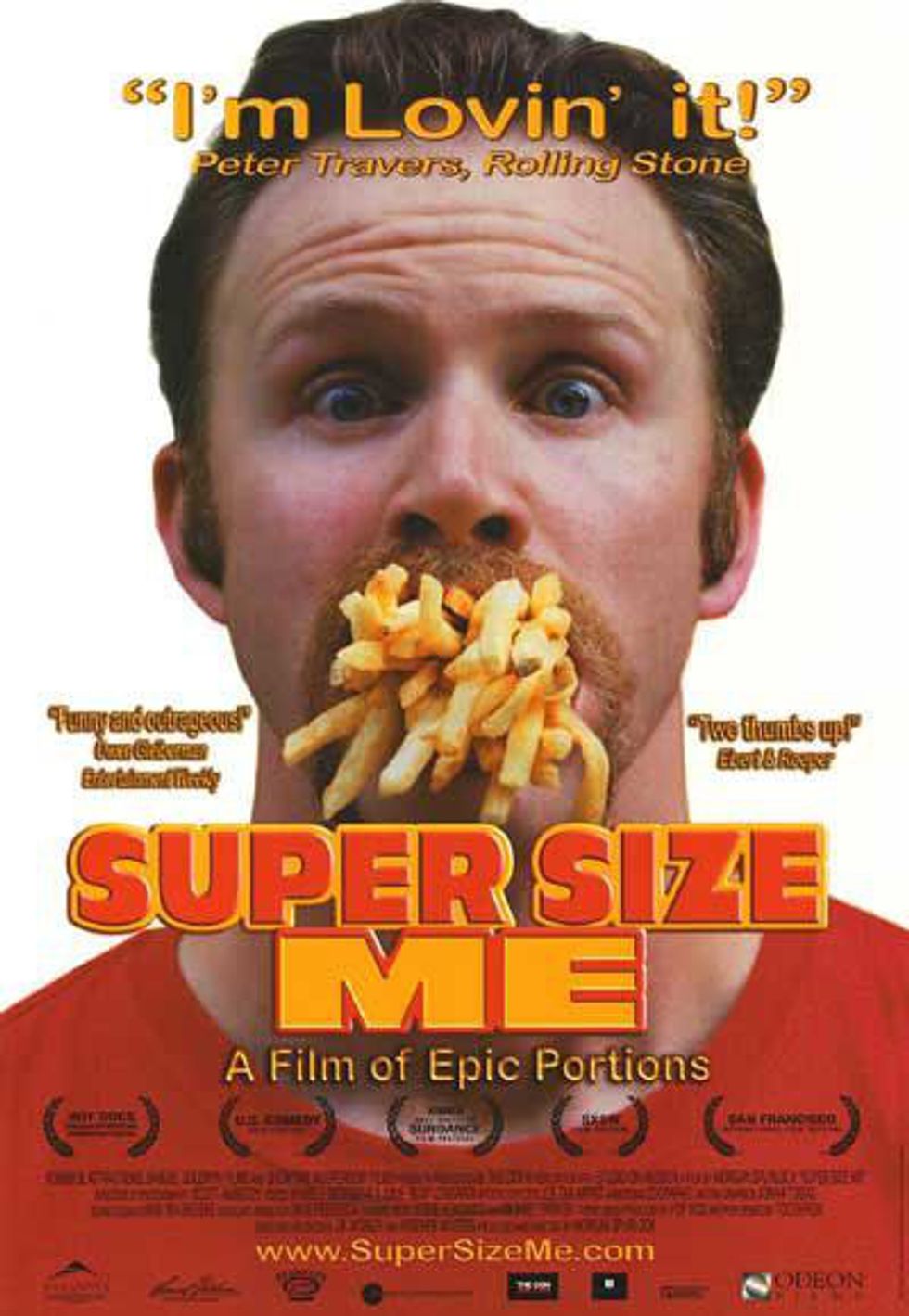
Super-Size Me is about a man’s experimentation with eating McDonalds for an entire month straight, and the effects it has on people’s health. Food Inc. is about many different topics that also play a major part of our food culture. One of the topics discussed is how chicken farming has become a health hazard.
One woman named Carole Morrison, a Maryland chicken farmer who was under contract by Perdue, was interviewed about her business, and discussed that farming is like being a slave for a certain company. After her interview on the screen it said that after she refused to update her chicken houses; her contract with Perdue was terminated. Another major part of the film was how most everything in our food contains corn.
Corn is used in everything from soft drinks to beef. In beef its used as a feed for cows, and in soft drinks it's known as the “killer” high fructose corn syrup. One final topic of the film was Kevin’s Law. This is a law that says that if a factory that makes a certain food keeps sending out infected meat it should be shut down… for good! This is a good idea, but there are hidden costs for everything in this world.
Food companies are trying their hardest not to be exposed in films like Food Inc., but it can only get worse for them. Besides the meat possibly going bad the other thing that’s gone horribly awry is the way that they handle their animals. Chickens, cows, and Pigs are mistreated along with an assortment of domesticated animals. It makes people wonder; what exactly are we eating?
In the year 2012, the media had a frenzy when it heard about the invention of “pink
 slime”, what it looked like, and what foods we eat that already contain
it. Soon people learned that it’s a horrible bi-product of chicken in which the
chicken is smashed, drained for blood, and then shaped into a tube shape of pink slime. We really are hitting rock bottom when it comes to what we put on our plates, and it only seems to be getting rockier.
The future is murky so maybe people have a sporting chance to change, but it may not happen. People will continue to eat the glorified processed foods that we love so much, but can we really stop someone from eating it no matter how hard people try?