

We, as human beings, tend to like familiarity. Generally speaking, this makes sense: we like what we understand, because the things that we don't understand have the potential to hurt us. But there are a number of situations in life where this simply isn't true. Taking risks, and avoiding predictability, is sometimes preferable to the stagnation that comes with sameness. As an English literature major, I have to keep in mind that there are literally millions of books out there in a language other than mine: and that, in many cases, they will end up moving me in ways something from my native language couldn't. Here are a few of the books in translation that have affected me the most:
1. The Wind-Up Bird Chronicle (Haruki Murakami, Japan)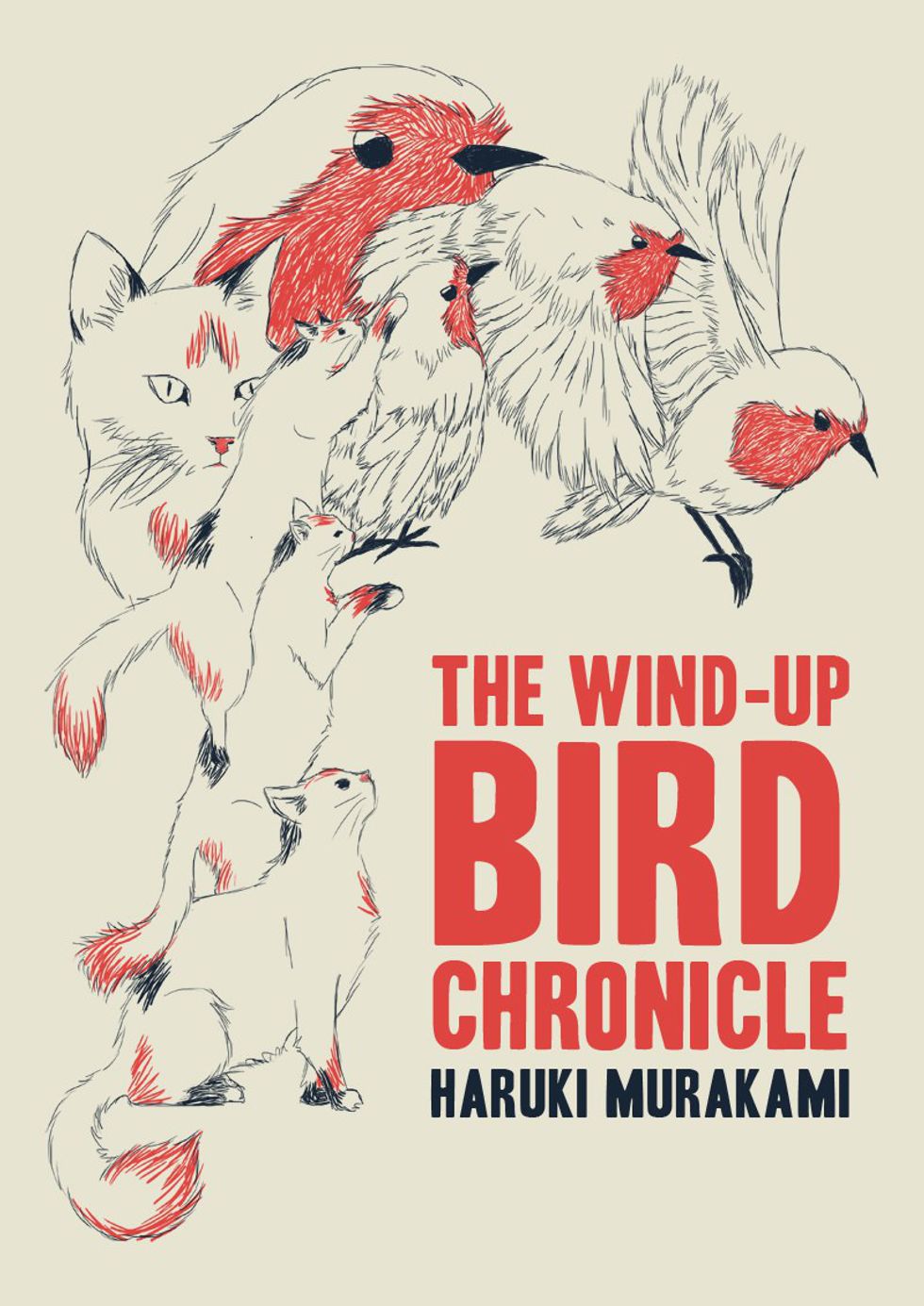
Murakami has a reputation in the US for being strange, and in a lot of ways it's well-deserved: his books always include odd pieces of pop culture, references to obscure Beatles songs, and at least one or two long discussions about some aspect of jazz that no one understands. (And cats. Lots of cats.) This one has all of that, but it's also a haunting story about a man's journey to find his wife, which takes him no farther than his backyard and yet involves a teenage runaway, a psychic prostitute, and a prisoner of war, along with many others. It will keep you up late, not necessarily because its scary, but because you'll want to make sure you've absorbed everything you can from it. (After two readings, and the start of a third, I still haven't.)
2. My Brilliant Friend (Elena Ferrante, Italy)
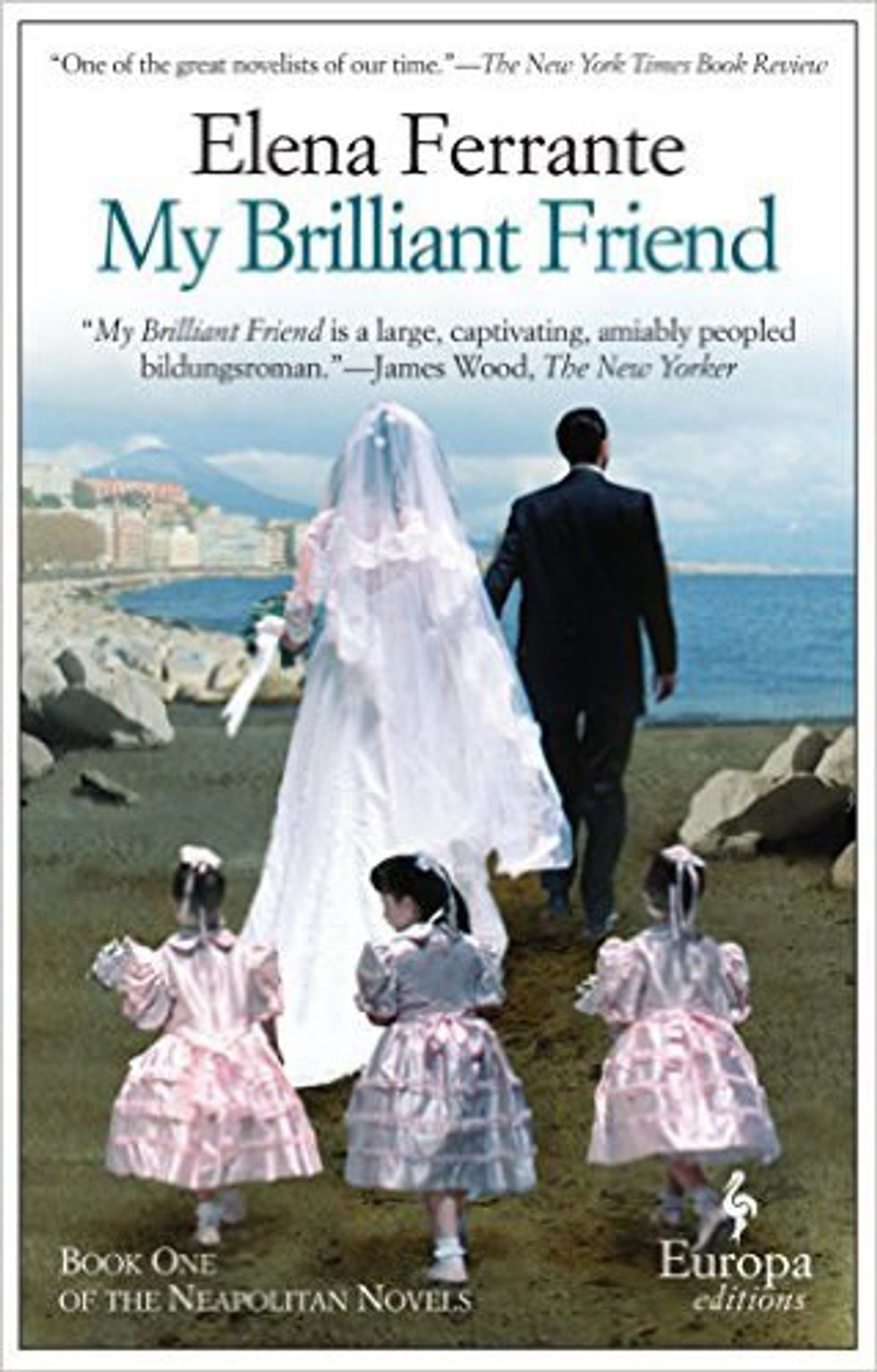 Ferrante has gotten a lot of press recently, but it's a strange kind: it all seems to center around the fact that she refuses to reveal her real identity, and instead works under a pseudonym to ensure her privacy. Whatever her reasons might be, her books have taken the critics by storm, especially this one, which is the first in a series of four novels about the lives of two women growing up in Naples. It starts off slow, but the little details scattered throughout give modest illumination to the lives of the friends, and to everyone who shapes the trajectory of their childhoods. The final novel in the series drops in the US in September: this first one comes highly recommended.
3.One Hundred Years Of Solitude (Gabriel Garcia Marquez, Colombia)
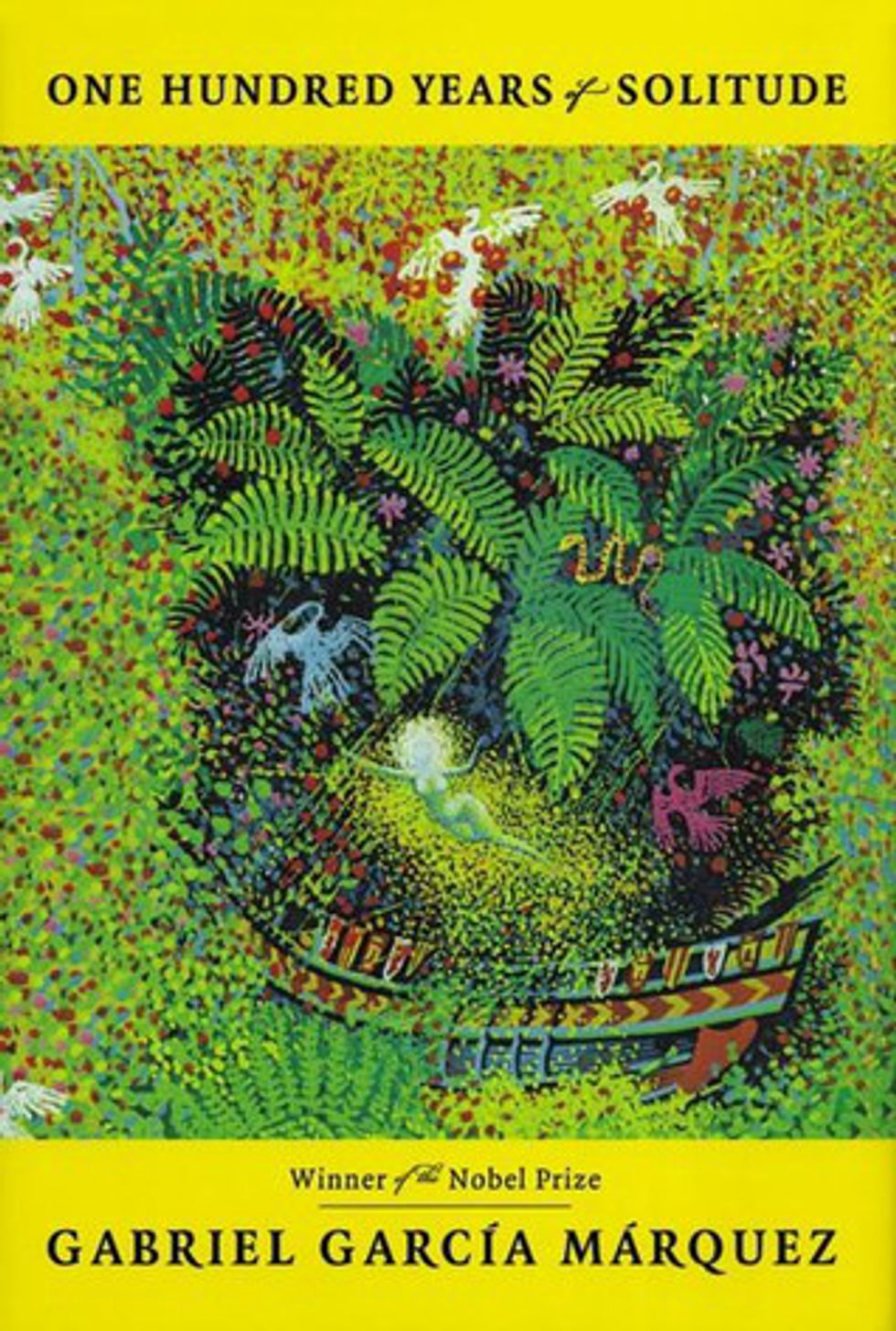
This is both one of the best and most difficult books I have ever read. It is magical realism to the extreme: women float away into space, candy makes people comatose, and ice becomes the most miraculous invention the world has ever seen. It's beautiful, and more than a little confusing. Keeping track of the number of people who are named Jose Aureliano, for example, is almost completely impossible. But this is a book that rewards careful reading, and the ending chapters definitely reward. (If the page count seems intimidating, check out his short story collection "Strange Pilgrims", or the novella "Memories of My Melancholy Whores", both of which are equally excellent.)
4.Anna Karenina (Leo Tolstoy, Russia)
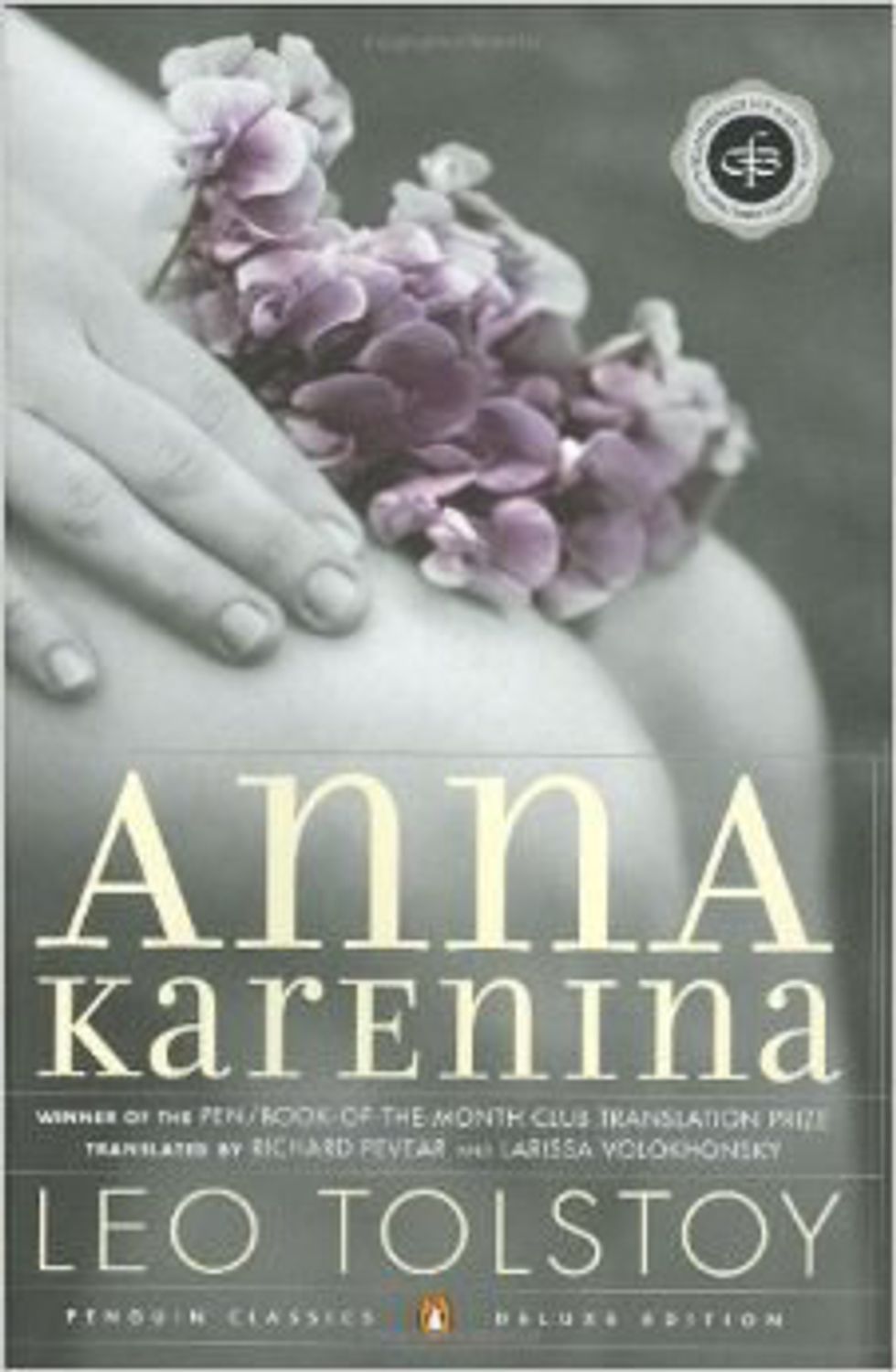
As a student of Russian language, I might be a little biased, but I think Russian literature is just about the best there is. And there's nothing better than Tolstoy's classic novel of love, betrayal and reconciliation. (Not to mention farming.) At over 800 pages, it's easily the largest of the bunch, but after 50 pages or so the story sucks you in and doesn't let go. And it's much more approachable than, say, "War and Peace". All of us can relate to being unlucky in love. Fighting in the Napoleonic wars, not so much.