
I’ve wanted to cover this topic for a long time, but have not had the time nor the resources to be able to do so, or even the right people to ask. However, when I first came to Cedar Crest last year and began meeting so many different people of sexual orientations, gender identities and even romantic orientations, the realization began to dawn me. There are aspects of people’s identities that aren’t even expressed explicitly where people know it exists, or even ignore it because they will see it as an anomaly. Well, after asking around many people I've come to disprove the fact that asexuality is a myth, and I hope that this following article you’re about to read will do just that.
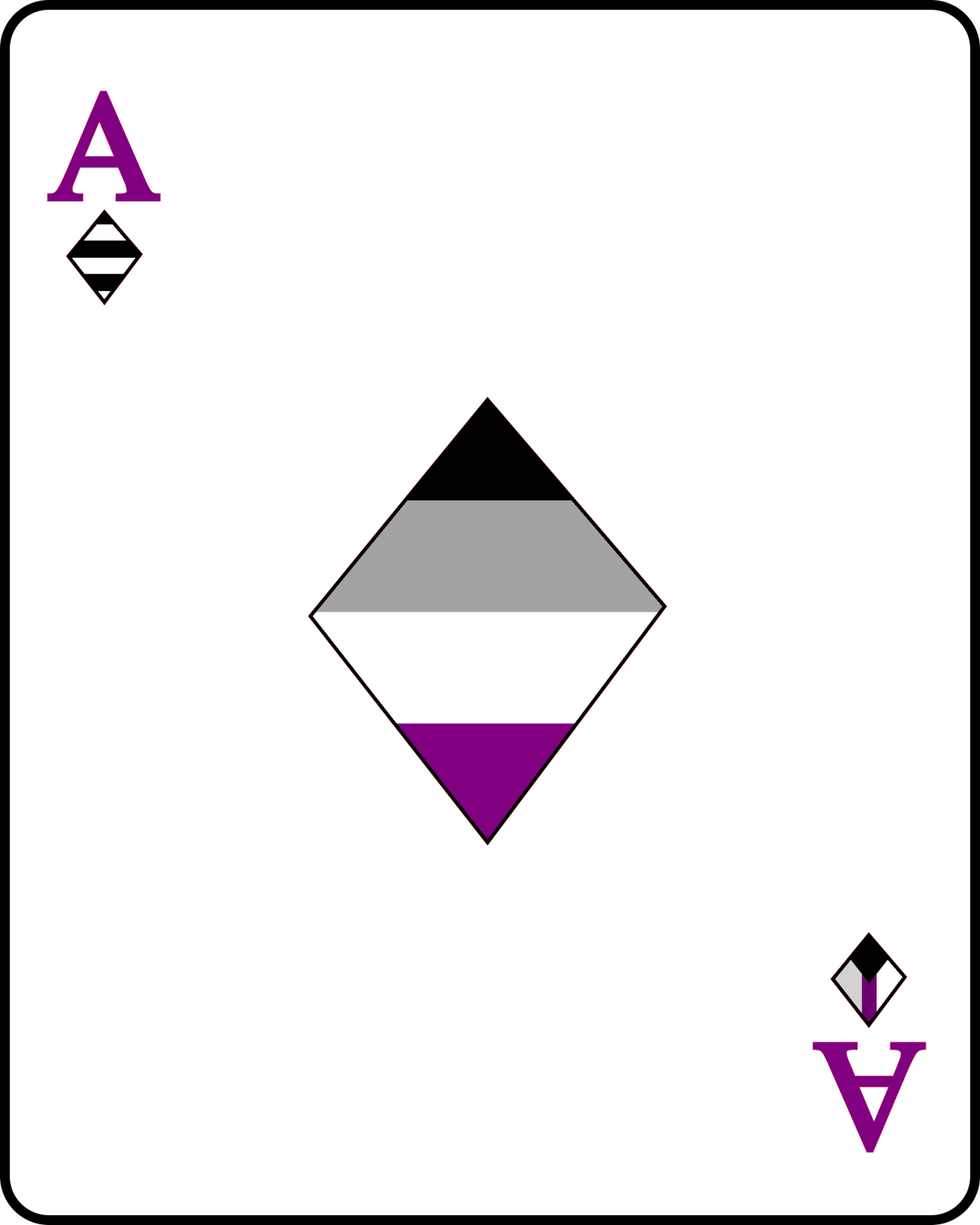
First, let’s begin with a simple definition so you, as a reader, can understand simply what asexuality is and what it encompasses. Asexuality, is an preference where a person may experience little to no sexual attraction to any gender. In this day in modern society, where everything is over-sexualized from advertisements, to film/TV, to even stories, asexuality is the invisible factor that doesn’t seem to exist. But when you have friends and peers who identify and speak openly about not wanting to engage in sexual intercourse or even be in relationships, you have to learn to accept that as a fact.
For this article, I wanted to interview as many people as I could to figure out what asexuality meant to them, and how it defined them, and so I asked several friends who live in my dorm as well as several Asexual Facebook groups.
My neighbor down the hall, Taylor Perkins, an senior genetic engineering major, gave me their perspective of identifying as an asexual.( “They” is a gender neutral pronoun used for those who exist outside of the gender binary of male and female.) They described coming to terms as being asexual as “a relief for me because it allowed for me to escape the hetero-normative notion that everybody not only has sex, but they have it with people of the opposite gender of the gender binary." Taylor was grateful that asexuality existed for the feelings they had which they couldn’t put into words that they didn’t want to be simply restricted to an relationship with a boy or girl, and the thought of having sex to reproduce children gave them nauseating thoughts. Sex and procreation is not something they want to even go into even up until this present day in time. They know that “being asexual doesn’t make [them] broken” and when they got to college, they met other asexual people, understanding that this part of them that they did not understand wasn’t merely a phase; their preferences are “just as valid as someone who wants and enjoys sex(...) Asexuality has been a liberating experience because now I can finally live in peace with myself and not be weighed down by daunting and gross expectations of others.”
Another good friend of mine, Mady Detweiler who lives in the same hallway as me, gave me their insight on what it means to be asexual. They described that being asexual is an sexual orientation that means that a person does not have to feel the need for sex in a relationship, and this was always a worry for them, that this would be an expectation when it comes to being with someone. When they found asexuality, it was the “most comforting thing ever”. They discovered that healthy relationships can occur without sex, and this was a crucial part for them to be able to see this. They even started explaining romantic orientations, the different ways you feel attracted to someone, whether it is sexually or affectionately, like cuddling, and kissing. Adding the prefix to your sexuality can make it personal and custom to you, and how you are attracted to people, whether you are asexual or have sexual attractions to people.
Mady’s roommate, Rachel Wielgopolski went through this exact ordeal at one of my school’s gender and sexual diversity club, known as Out There, here on campus. She is a proud pansexual, meaning that she is attracted to all genders, but found a term that described her romantic orientation of her sexuality. She felt at home with being a gray sexual, realizing that she's used to having romantic relationships with people, but did indeed feel sexual attraction, so she could not identify herself as asexual. However, at one Out There meeting, there was a workshop on sexuality in detail, which she went to and when they the asexual spectrum was covered, she felt like she finally understood, and alerted Mady, that this identity makes sense to her and gives her validation for this new identity she’s happy to call her own.
I also came across two individuals on an Facebook asexual group who I asked a few questions to. The first, was an engaged woman, Leanna Lutzen. She is an asexual who is “sex repulsed” and does not have the desire to have sex with anyone, except if her fiance wants it, but it's more on her own terms, rather than his. He respects her wishes, and understands that she has no sex drive or even an desire for sex.
Another individual who is also sex repulsed, whom I’ve come across is Aitijhya Kar, who identifies herself as an demi-asexual that fluctuates between aromantic and homo romantic. This means that she may not feel romantic feelings for people, and when she does, it's primarily for women. She has no interest in sex whatsoever, and would rather be cuddling with the one she adores and that is her choice.
So summing up the information my from my lovely interviewees, and other people in the asexual community which I've learned much from on Wikipedia, Facebook, Tumblr and several articles in everyday feminism and the Huffington post, I've ultimately come to the conclusion that asexuality is a real thriving identity that is alive and amazing with such a diverse group of people. This search has helped me alot personally because I've come to terms with identifying as an asexual, and I hope that for those asexuals out there still struggling to find their way, that these resources help as well.