
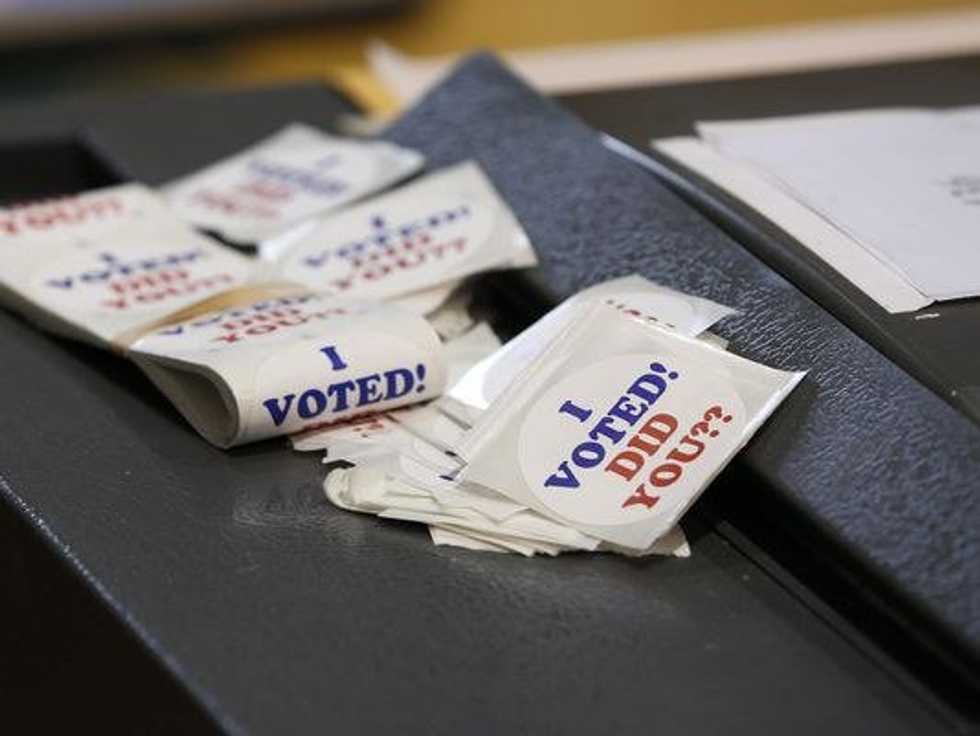
You don’t live in Iowa or New Hampshire. Your parents moved out of Nevada before you could walk. The only time you’ve been to Colorado is on that family trip to the slopes. And while under normal circumstances you should consider yourself lucky to not reside in the Iowa countryside, it’s primary season. And during primary season, Iowa (and other average, often forgotten states) matter.
Coming from New York, a state that typically has a significant amount of sway in political matters, sitting pretty for a primary that generally occurs too late in the game to make much of a difference is a weird position for me. Going to school in Pennsylvania, a state that holds its primary a whole seven days later, is a similar experience. People in these states assume that their votes do not matter, because the nominee is typically decided by the time their primary rolls around. However, this year is different.
Although both parties have a clear front-runner, neither has a determined winner at this point, which means that neither Trump nor Hillary has actually won. Though unlikely that any other candidate will make a comeback, there is still hope for a major upheaval -- or at least the potential to feel as though because there is still that toss up, your vote may have some impact on the outcome.
So here is the dilemma: Do you vote, or do you resign yourself to continuing the trend and relying on the major influence of cities like Philadelphia and New York City, or do you cast your vote in the hopes that the results will change and you can play a hand in it? If everyone thinks along these lines, perhaps the tables will turn.
At this point in the race in 2008, Obama was behind Hillary in votes. And while the situation was different and the potential outcomes will not work in Bernie’s favor the same way (Obama held the South, while that went to Hillary in 2016), the idea that results can change so drastically is one that people should keep in the forefront of their minds -- if not to change the outcome, then to at least influence it. People are incorrect when they assume their votes don’t matter. Consider the Bernie-Hillary dynamic: Once Bernie started gaining speed, Hillary’s stance molted into one that would overlap with the ideals of some Bernie supports and appeal to that crowd.
So in a way, voting is a manner of drawing the attention of a front-runner. Whether they choose to listen is debatable, but it holds a level of sway that protesting does not reach: Telling candidates to change their views does not work as effectively as letting them decide to change their stance gradually, thinking it a strategy. So here is the point: Voting is not pointless, even in a state that typically does not hold much influence over primary results. Even if your state does not change who it ultimately supports as a whole, it may hold them off from winning for a while longer. And that, fellow late voters, is what forces candidates to consider what the people actually want. And while it may not result in a change in leadership, it may influence a change in platform, which means your New York vote in a Hillary state is better than nothing.