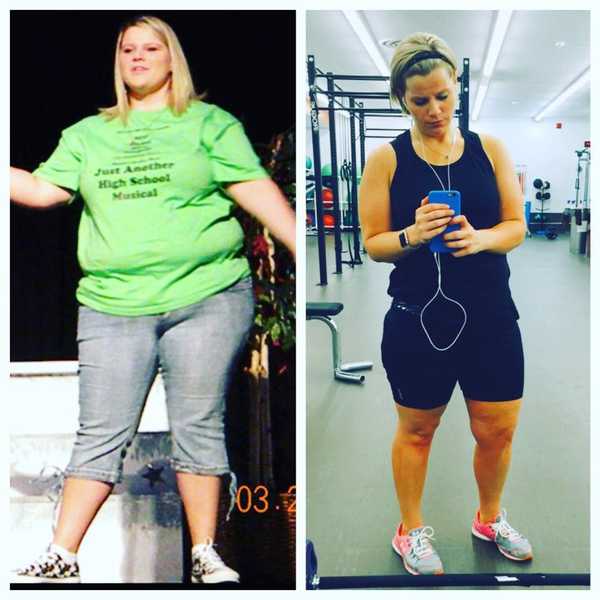

Body image and the importance of self-acceptance seems to be an increasingly touchy subject in America. Everyone has their own perception of the ideal body type, and many don’t hesitate in attempting to push their personal beliefs onto others (an issue we are far too familiar with in this country). There are the advocates for a healthier America, promoting the importance of exercise and nutritious eating. Then, there are those who push for everyone to accept, well, everyone--body weight aside. At the end of the day, the argument seems to break down to one important question: is it okay to promote self-acceptance for the obese when there are legitimate health concerns involved?
Now, before I continue, I can’t stress enough that this article is not being made in an attempt to “fat shame” anyone or discourage people from loving who they are. Rather, I’m using this medium to relay my personal story to anyone who might be stuck in a similar position, and provide guidance in how to dig themselves out of the rut that is obesity.
Mentality
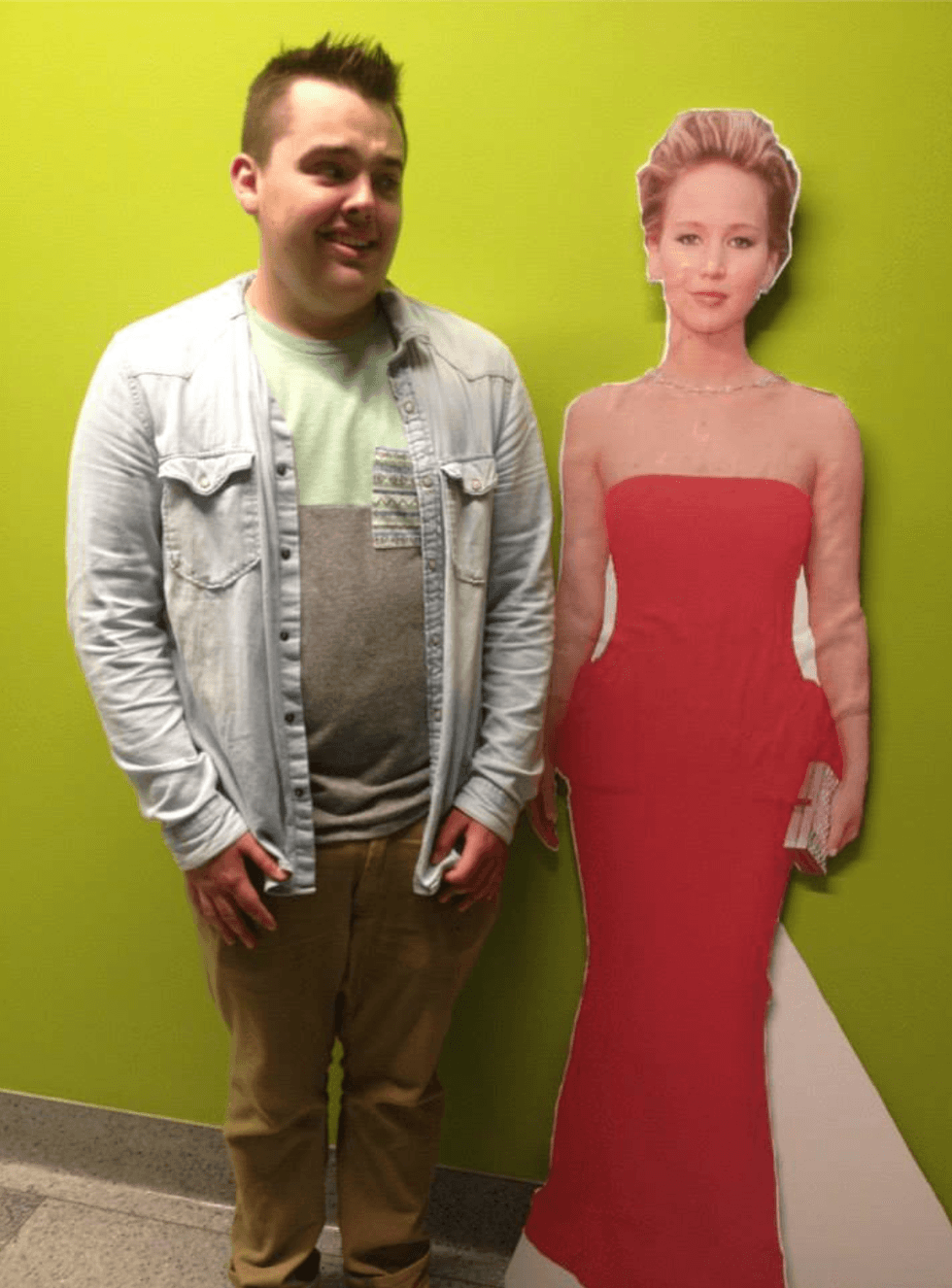
Throughout my childhood, I’d always been on the chubbier side. The best way I can describe it would be to give Chuck, from "The Goonies," young Justin Bieber’s shaggy hair. As my senior year of high school was coming to a close, I had slowly but surely been eating my way into obesity. Here's the thing: I. Love. Eating. Overeating.
Fast food had become a very close friend of mine, but it wasn’t until several workers at a local Taco Bell drive-thru guessed who I was simply through my order that I realized my eating habits were getting out of hand. Regardless, I kept on chomping. As I breached the 220 lb. mark, both family and doctors began expressing their concern. At the time, I would grow irritated, as I was fully convinced that I had no issues with my weight, and other people simply needed to come to terms with my way of thinking. I would try to please others by going on short-lived exercise sprees, but would eventually give up, blaming it on scheduling or outside commitments. I developed the mindset that society’s standards were unrealistic, and that I was being victimized if someone tried to warn me about the risks of being overweight.
It wasn’t until the first semester of my college career, when I stumbled across Rush University Medical Center’s height to weight chart online, that I realized I was actually considered obese. I was ultimately faced with the tough realization that I was the only thing standing in my way. I didn’t want to be diagnosed with diabetes. I didn’t want to develop life-threatening heart disease as a young adult. So, why was I practically inviting diseases things into my body? Something snapped in my mind, and I began to realize just how dangerous being obese truly is. It wasn’t a matter of self-acceptance, nor was it a matter of loving who I am; it was a matter of finally being in control of my health.
This brings me to my two biggest points: it’s all mental, and it’s all you. You can try to exercise or eat healthier when the doctor shakes his finger at you, but if you’re only doing it to please someone else, it won’t last. However, if you make the conscious decision to change your lifestyle, and are ready to commit to such a big shift, there’s no doubt that you will be able to accomplish your goal.
Starting Out
If you’re like me, then your list of favorite foods probably looks like a vegetarian’s nightmare. I was able to identify that my eating habits needed to change if I wanted to become healthier, but I had no idea where to begin. It started with a trip to Target. As opposed to scouring the frozen food aisles for pizzas and Bagel Bites, I began looking for vegetables and other healthy options. I’ll be the first to tell you: making the transition to healthy foods is awful. All I wanted was to eat a deep dish pizza and drink a Dr. Pepper, yet here I was with a plate of carrots and celery (neither of which were deep fried, unfortunately). There were many failed attempts at cooking different kinds of chicken, most of which resulted in microwaving a Lean Cuisine, but eventually I started to actually enjoy what I was tasting. It’s going to be different for everyone, however. Don’t be afraid to mix and match different foods, or try things that you would generally expect to hate. The thing is, you’re making a huge change, so you won’t have it down right away.
Then came the exercise, which was quite possibly the hardest to stick with. Once I was off to a good start with healthy eating, I knew that physical activity (dun, dun, dunnnn) was next. I started using my school’s gym, which took some getting used to. For starters, I had zero knowledge on how to use a majority of the machines. I would start using an elliptical machine and quickly stop, not because I was tired, but because I looked like a test monkey trying to ride a bike. Finally, I found the treadmill. I would run in small increments of time at a slow pace, then increase both speed and time when I would start to feel comfortable. Within two months, I went from running less than a mile in fifteen minutes, to running four miles under thirty-five minutes. The point being that you shouldn't get discouraged when you first begin exercising. You aren’t necessarily going to know what you’re doing right off the bat. It may take a little bit of experimenting, but once you find a form of physical activity that best suits you, exercising will actually be enjoyable.
The most important factor in both eating healthier and exercise is the repetition. Sure, it is easy to keep both up for a week or two, but it can become difficult to push through after that. You’ll grow tired, or even find that your outside schedule makes it difficult to fit gym time into your day. This is when it becomes crucial to remember your goal. If it’s important to you, you’ll find the time. The longer you can keep it up, the more routine this lifestyle change will become, until it’s just another part of your day. Eventually, you'll begin seeing the results, and that alone will serve as motivation to keep up the hard work. Trust me, it pays off!

Self-perception
The way you view yourself shouldn’t solely surround your weight. There are far too many people, myself included, who have caught themselves finding their worth through what they see in the mirror. It’s a very dangerous trap that sometimes seems inescapable. Then, of course, there are the people who will go out of their way to discourage you. There were times I’d find myself upset over a simple joke a friend may’ve said about my weight, and while I didn’t allude to the fact that it was hurtful at the time, I would often think back to it. This comes back to the false ideology that you can’t change your situation, so you blame others and think they need to change instead. Rather, you should use this as motivation to improve your lifestyle, because I can guarantee that the transition to a healthier you will be accompanied by positive results, both mentally and physically.