I’m sitting at a table in one of the local breweries in town, having a drink and chatting with friends. It’s Friday night and we’re decompressing, so someone rifles through the establishment’s table of games and selects Cards Against Humanity, the ever-so-popular card game where the entire objective is being offensive and hilarious in one go. And that’s where the fun ends for me. See, I’ve never been comfortable with Cards Against Humanity because of the way its punch lines generally come at the expense of minority groups and, of course, women. Now hear me out: I’m not against a little bit of humor that might shock most people, and I might have even been okay with Cards Against Humanity in high school before I knew more about the subversive ways women and minorities in general are oppressed through our culture. It doesn’t begin or end with Cards Against Humanity, the game is just a good illustration of what’s wrong with our society. How do we find jokes about “coat hanger abortions”, “penis envy”, “copping a feel”, or “passable transvestites” funny? Maybe it would be different if the jokes were all about white males (the dominant group in our society), but the truth is that most of them are not. This is just one example of the ways that our casual interactions and activities take advantage of how entrenched in patriarchy regarding our views of women.
Take "Aladdin" for example, where Jasmine’s 5” circumference waist is scantily clad throughout the entirety of the movie and she is at the mercy of her father and Aladdin’s wishes. Her intrigue is based on her sex appeal, whether you want to admit it or not. And this isn’t the only children’s movie to objectify women and assert male dominance, just look at "The Little Mermaid", where Ariel gives up her voice and only has her body to gain the love of the prince. And these are just some of the ways that male superiority and the hyper-sexualized female body are started at an early age. Adult movies are even worse. The objectification of women for entertainment is overwhelmingly the societal standard. Take University of Southern California’s School for Communication and Journalism study examining on-screen portrayals of each gender. They looked at the 100 top-grossing films from 2009. They found that females are more likely than males to be shown in sexy attire (25.8% vs. 4.7%), with some exposed skin (23.6% vs. 7.4%), and referenced as attractive (10.9% vs. 2.5%) (Smith, Choueiti, & Gall, (2010). Another shocking fact, teenage females ages 13-20 years old are just as likely as adult women to be portrayed in a sexy light. When it comes to women over 40, only 3.9% of them are made up to be attractive (Smith, Choueiti, & Gall, 2010).
I’m constantly surrounded by both men and women (non-hetero-normative individuals don’t usually buy into this system of sexist perpetuation) who subconsciously (usually) have been and continue to be exposed to things in our society that expect women to be a certain way, act a certain way, look a certain way. A way that is both unattainable and unhealthy. Women starve themselves and are constantly comparing themselves, consciously or not, to other women. Men perpetuate and benefit from this cycle, conscious and willing or not. The pop culture we consume, the way we talk about other humans, and the patterns we continue to perpetuate are all our choice and we have to make the choice to stop participating in this system. This is the only way that we can circumvent the unrelenting and more hidden — and therefore, more harmful — stifling of women.
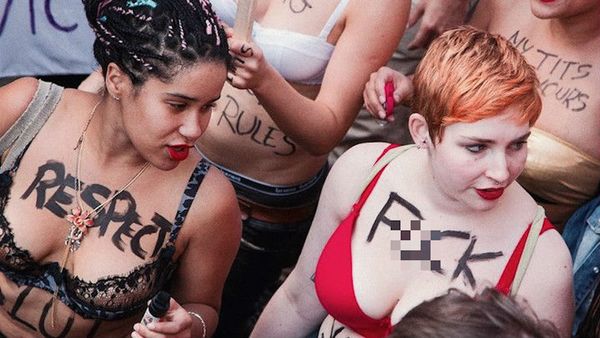
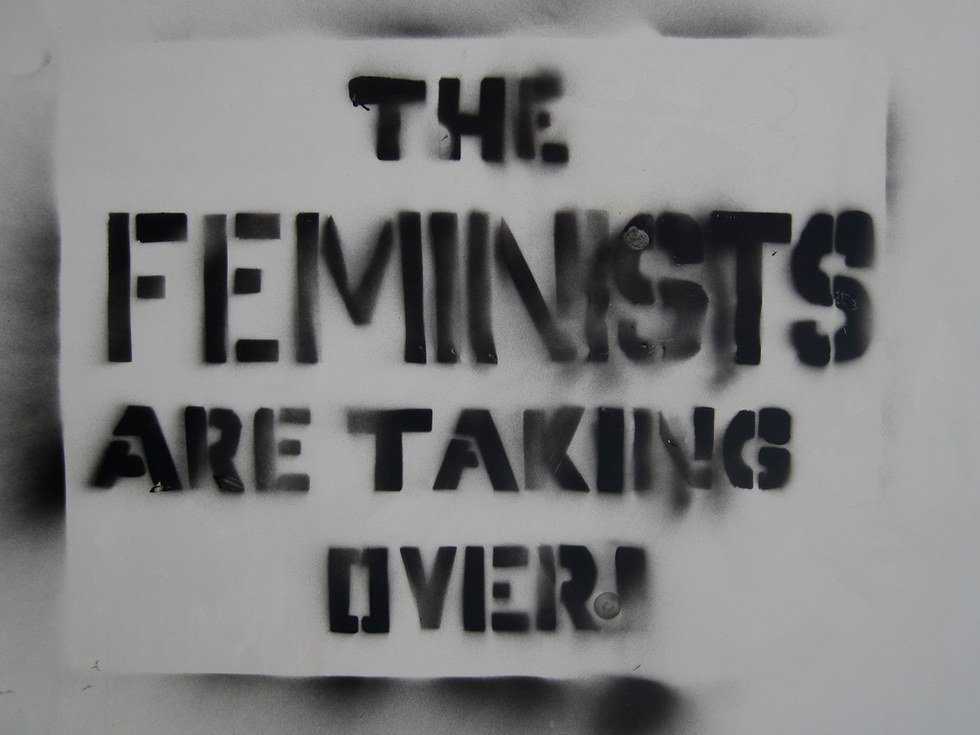
Women have more rights now than we have ever before. Yes, we can vote. Yes, we can serve in the military. Yes, we can have (almost) all of the same careers that men do. But, as women, our bodies are not our own in this culture. We are taught to be sexual property and that we need to conform to an unrealistic and harmful standard in order to be good enough. The constant battle to simply exist as the equal humans we are, acknowledged by all, is far from over. We still need feminism, maybe more now than ever. So pay attention to the way you talk about each other, pay attention to the pop culture that you engage with, and most of all, pay attention to how you love one another. Love other women, don’t tear them down. We’re in it for the long haul and we need every bit of positivity we can get.