
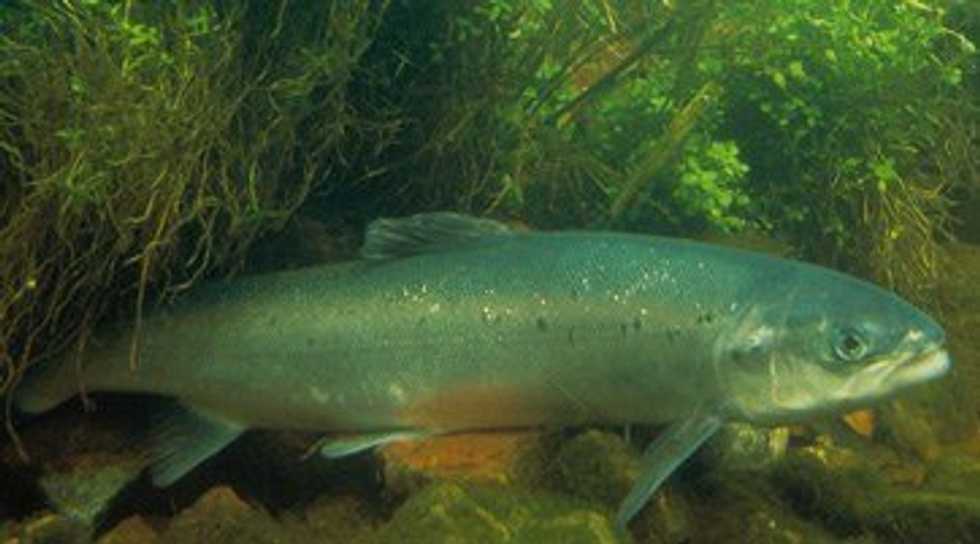
On Nov. 19, 2015, the U.S. Food and Drug Administration approved the first genetically modified food animal: salmon.
Genetic engineering is a method of introducing favorable traits in animals by using rDNA (recombinant DNA) for our benefit. This method has been used in all sorts of ways, such as producing disease-resistant crops, to making animals grow more quickly for the consumer market. The FDA has released a series of common questions and answers about genetic modification if you have further inquiries.
Recently, in a press release, the FDA states that they have approved AquaBounty Technologies' "AquAdvantage Salmon." This salmon is genetically engineered to grow faster than other salmon. They can do this because their genes contain rDNA that is made of a growth hormone from a separate species of salmon, allowing these salmon to grow in about half the time that they normally would.
AquaBounty Technologies' has been pushing for their genetically modified salmon since 1995, and it has taken twenty years for the FDA to agree to their request of certification. Since 2010, nearly 2 million people have opposed this certification.
Much to those millions dismay, the FDA has stated, "AquAdvantage Salmon meets the statutory requirements for safety and effectiveness under the Federal Food, Drug, and Cosmetic Act." One of these requirements is that the fish are safe to eat, and the FDA determined that AquaAdvantage Salmon is just as safe as regular salmon. The FDA has also done a study between non-GMO groups of fish and the AquaAdvantage Salmon, and found that there are no obvious differences in any of their biological components.
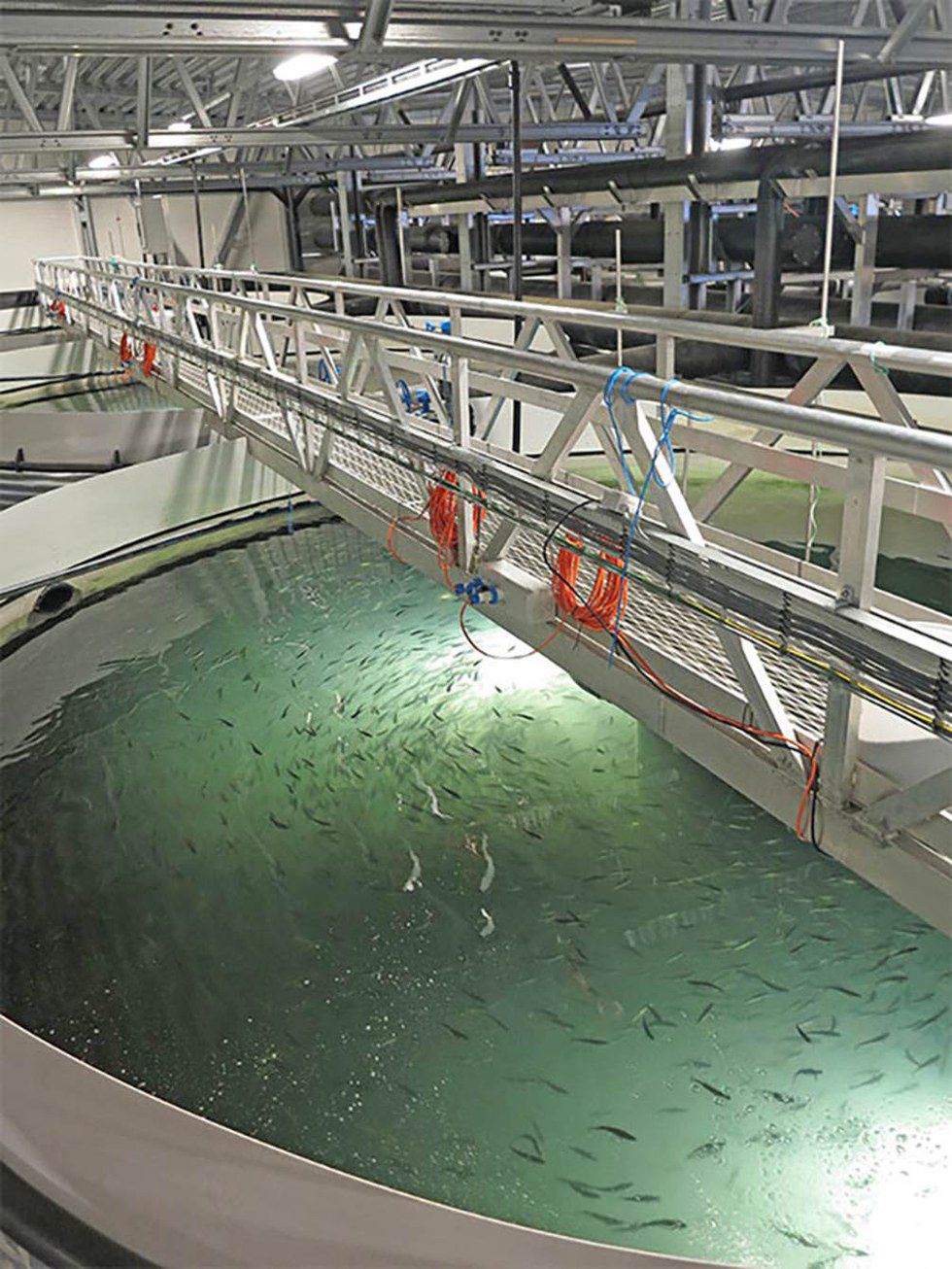
The FDA likewise approved the conditions that these salmon are raised in. They are only allowed to be raised in two specific hatchery tanks in Canada and Panama, both of which meet the stringent FDA guidelines. The FDA will continue inspecting the facilities, as well as both the Canadian and Panama governments will do regularly, to make sure they are still following the rules. Further, the FDA has declared that the salmon will cause no significant environmental impact. And because of what the FDA has determined that the AquaAdvantage Salmon is no different that regular salmon, they are not requiring any additional labeling.
This approval has enraged some people, such as the Center for Food Safety (CFS). They have released a statement announcing that they will sue the FDA. Andrew Kimberly, executive director of CFS, has said,
"The review process by FDA was inadequate, failed to fully examine the likely impacts of the salmon’s introduction, and lacked a comprehensive analysis. This decision sets a dangerous precedent, lowering the standards of safety in this country. CFS will hold FDA to their obligations to the American people."
CFS does not believe that the salmon will not have a significant impact on the environment, nor that AquaAdvantage Salmon is no different from regular salmon. Also, they believe that consumers are being misled because of false labeling. If you would like, you can help the CFS in fighting the approval of AquaAdvantage Salmon here.