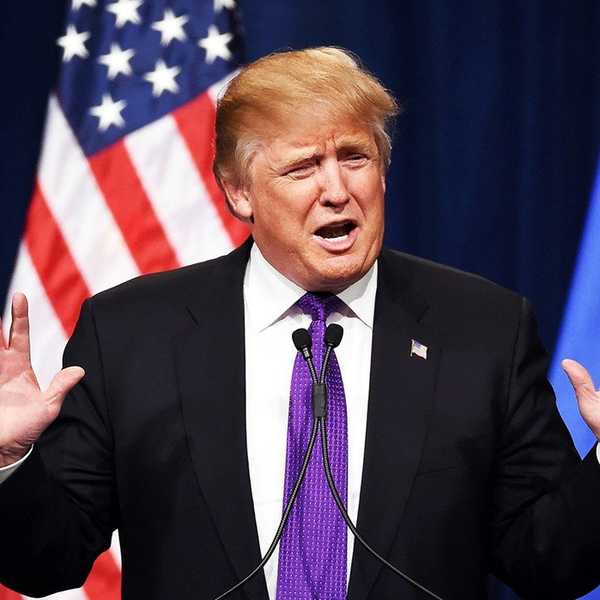

Many people believed the news during this election cycle was almost too ridiculous to be true. As it turns out, some of it was false. Google and Facebook have recently announced policies to combat fake news, after coming under fire recently for allowing the site to appear in the news and trending sections. Fake news stories were even tweeted by Presidential elect Donald Trump. According to Philip Bump of the Washington Post, in April of 2016, Trump tweeted a story from Prntly.com that claimed he had the highest support amongest blue collar workers since FDR. Analysis from Buzzfeed News, found that, during the presidential election, the top 20 hoax stories received “8,711,000 shares, reactions, and comments on Facebook” whereas the top 20 real stories from major news sites received only 7,367,000 shares, reactions, and comments on Facebook.
Paul Horner, the manager of a fake news site, said in an interview with the Washington Post, that fake news has gained notoriety because “Nobody fact-checks anything anymore.” Horner believes his fake news may have helped Trump win the election, even though he was aiming to mock Trump supporters.
Sensationalized news has always been popular in America. During the 1980’s newspaper owners, William Randolph Hearst and Joseph Pulitzer, used melodrama and hyperbole to sell their papers. Their tabloid-esque stories and headlines even helped persuade Americans into supporting the Spanish-American war.
Is fake news today’s version of yellow journalism? Horner likes to think of his stories as satire, however, he admits there is a real danger in some fake news sites. Later in the Washington Post interview he said, “ I don’t like getting lumped in with Huzlers. I like getting lumped in with the Onion. The stuff I do — I spend more time on it. There’s purpose and meaning behind it. I don’t just write fake news just to write it.”
On some level, Horner knew he was exploiting his audience, in many of the same ways Hearst and Pulitzer were exploiting theirs. In his Post interview he tailored his arguments to exploit a Republican audience because “My sites were picked up by Trump supporters all the time... they’ll post everything, believe anything.”
Horner’s exploitation of Trump supporters raise the question of whether or not journalists should exclusively cover the truth, or if satire news sites have a place within mainstream media.