
Breaking headlines over the weekend comes to a disheartening story of the massacre killing 50 club-goers and injuring over 50 more. This weekend’s deadly shooting brought itself to the top of the list of America’s most fatal shooting; jumping ahead of Columbine(12 deaths), the Virginia Tech massacre (32 deaths), and the Newtown, Massachusetts shooting (26 deaths). What exactly was going on in the mind of the Orlando shooter and what can previous mass shootings teach us?
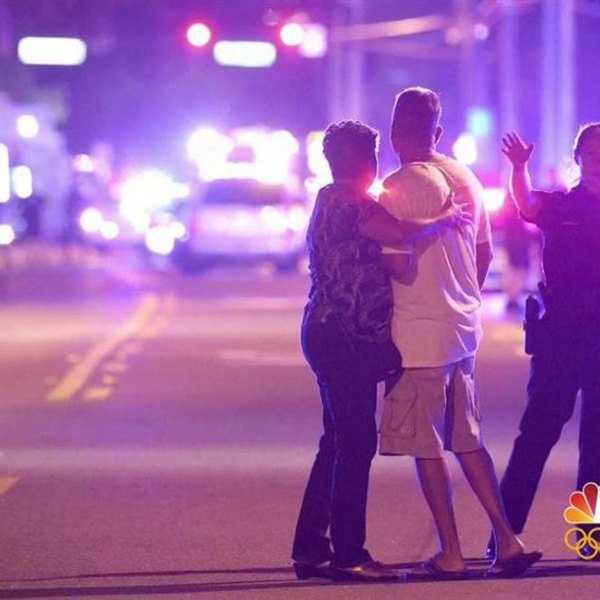
On Saturday, June 11th 2016 gunfire erupted through a packed Pulse nightclub in Orlando, Florida. The gunman, identified as Omar Mateen, entered into a dance club with a rifle and a handgun and opened fire into a crowd of young men and women, killing approximately 50 people and wounding another 53 more. Off duty and on duty police officers quickly responded to distress calls and cornered Mateen in a bathroom with somewhere between 4 and 6 hostages. Negotiations were being made when reports show that Mateen proclaimed allegiance to the Islamic State and threatened the possibility of an explosive device. Police and SWAT (special weapons and tactics) breached the bathroom and the gunman was killed in a shootout with the police after several hours of siege.
While this story is still fresh and a proper investigation is still pending, we can learn a lot from this event. Seventeen years earlier, two high school boys also entered into a crowded building and opened fire using a myriad of tactical weapons. While their original intent was to use more explosives, Eric Harris, and Dillan Klebold entered their high school, emotionally tormented hundreds, and killed eleven students and one teacher with several types of firearms. Harris and Klebold were not in the era when ISIS was gaining traction, which occurred around 2003, but seemed to have a similar mindset to Omar Mateen. Eric Harris was believed by several sources (including FBI special agents) to be psychopathic. Psychopathic traits include callous, cold behavior, very low empathy, pathological lying, impulsiveness, and lacking remorse. This certainly made the motivation and modus operandi more clear to investigators. At the time, investigators and eyewitnesses quickly pointed out allegiance to the notorious Trenchcoat Mafia, simply because the two fit the stereotype of disaffected gamers who dressed in trench coats and didn’t fit in with the popular crowd. Instead of seeking to kill African Americans, jocks, and Christians, the two killers sought to terrorize a way of life by acting out their revenge fantasy. They did not do this because they played too many video games or because they wanted to be famous, but because they had serious psychological issues.
On December 14, 2012, 20-year-old Adam Lanza entered Sandy Hook Elementary School and opened fire using several pistols and an assault rifle. Investigations years later reveal Lanza, too, to be riddled with mental illness and having a lost connection to society. The twenty-year-old believed that it was society who was to blame for mass shootings and frequently suffered from paranoia while camped out in his room reading murder blogs or playing video games. In this tragedy, not one investigator or journalist jumped on the “terrorism” bandwagon. Lanza was a white male and killed at the same intensity as Harris, Klebold, and Mateen, yet not one report investigated any connections to terrorism or affiliations to potentially dangerous cliques like the Trenchcoat Mafia. Yet paranoia, mental illness, and a separation from society plagued all three.
While it is still too early to analyze the exact motivations of Mateen (as reports discuss anything from extreme homophobia to ISIS ties), it is important to not jump to conclusions this early. We were wrong when we assumed Harris and Klebold were out to fulfill a hit-list of jocks and Christians and we may very well be wrong about Mateen. Even the LGBT community made a statement about Saturday’s events calling this an act of bigotry instead of terrorism. Paul Raushenbush, a well about human rights advocate and pastor had this to say: “How corrosive and tempting the call of fear and hate and revenge. But on this day, as hard as it is, I will cling to the mandate to love because I have no other choice. I will trust…that love has a redemptive power.”
Whatever motivation or allegiance the Orlando shooter may have had, we must not rush to conclusions. We have made mistakes in the past that have affected how we investigate these crimes and I encourage, for now, to instead focus your energy toward sending thoughts and prayers to the victims and their families of this horrific event.
















