
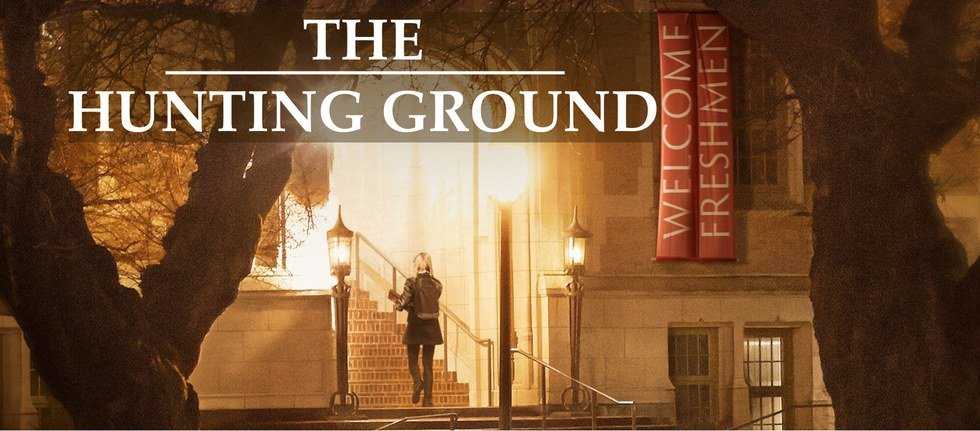
Something is always playing in the Hoff Theater at the Stamp Student Union. From recently released hits to indie movies, there are plenty of opportunities to catch a free film. But last Wednesday, Hoff featured a film of a different sort. It played The Hunting Ground, a documentary about sexual assault on college campuses.
The movie features interviews with survivors of sexual assault from campuses across the country. It stars Annie Clark and Adrea Pino, two women who were victims of sexual assault at UNC Chapel Hill and became activists. Dozens of colleges are mentioned by name throughout the film, their track records with handling sexual assault cases examined and critiqued. The University of Maryland is never mentioned in the movie, so why the screening?
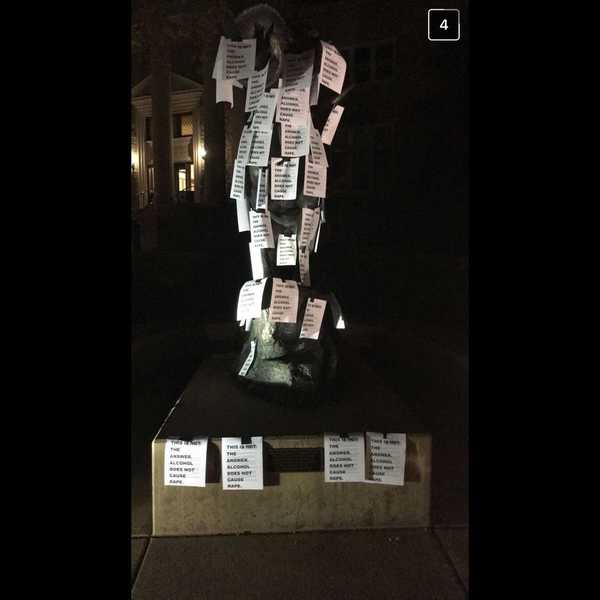
The answer is that the system for dealing with sexual assault is broken. Not just on Maryland’s campus, but on campuses across the country. And it’s not just a problem with one college demographic. Both men and women can be victims. Sexual assault is a prevalent problem in Greek life, but it’s also been a problem in athletics. There’s no one type of person who is more or less likely to be impacted by sexual assault. Dozens of colleges and hundreds of victims deal with this problem every year, and there doesn’t seem to be an explanation as to why.
“I think sexual assault prevention and response, they’re both multifaceted problems and they need multifaceted solutions,” said Annie Clark. Clark attended Wednesday’s screening and was on the panel of guests who fielded questions after the film.
Also in attendance were representatives from the Maryland athletics department, CARE office, Title IX office, Department of Fraternity and Sorority Life, and Panhellenic Association.
The movie and discussion lasted more than three hours and became openly heated at some points. But Clark stressed that one of the best ways to start addressing the issue of sexual assault is by opening lines of communication between students and administrators.
“If one person leaves tonight and somebody tells them they’ve been assaulted, [and] they respond better,” she said. “I think it’s worth it.”
Earlier this semester, the new club PSA, or Preventing Sexual Assault, was launched on campus. The purpose of the group is to act as a support system for anyone who has been impacted by or feels strongly about sexual assault issues, and, according to their Facebook page, hopes to “open communication, spread awareness, and implement action on the topic of preventing sexual assault at UMD.”
The Hunting Ground is no feel-good film. Viewers were openly frustrated and angered by what they saw, and for good reason. A common theme throughout the testimonials was that victims did not receive the attention, concern, or assistance from campus administrators and law enforcement that one might think would be expected for a sexual assault case.
Unfortunately for these men and women, the system was flawed. But the point of screening "The Hunting Ground" was to open as many eyes as possible to the problem of sexual assault on campuses, and to inspire them to make a change. It won’t happen overnight, but the steps to change the policies that govern how colleges, including the University of Maryland, address sexual assault are right there. We just need to take them.