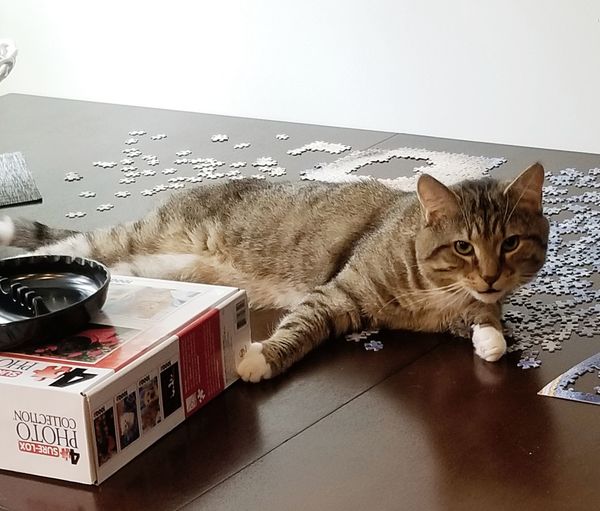


Meow, woof, bow-wow, moo, bleat, neigh, quack, gobble gobble, ribbit, tweet, chirp, silent nose wiggles, bubbles, and everything in between. After colors and numbers, these are usually the first things babies learn in their mother tongue. But why do we teach animal noises so soon in a child's linguistic development? Why not the names of household objects? Foods? Knitting techniques? Because those things simply aren't as important. Animals are an integral part of everyone's everyday life, whether you realize it or not, and everyone should own a pet -- especially in their developing years.

From the food you eat to the clothes you wear, the activities you enjoy and the furniture you buy, animals are involved. They're pretty versatile, providing people with meat, money, materials, transportation, protection and companionship. It's said often but it's true -- animals don't judge you. Your cat doesn't care about the exam you failed today. Your dog doesn't care if you spilled coffee all over yourself today at work (but you do smell funny). Your fish? Absolutely no concern about the game you lost today. Now, while some would argue this indifference comes from their reliance on their owners for food, I strongly believe there's much more to it than that.
My first friend was a Lynx Point Siamese cat named Chunky. Chunky is actually in part responsible for teaching me how to walk. He would stand up beside me, let me pull myself up by holding onto his back, we'd walk a few steps, and then he'd lay down and I'd tumble over with him. The first animal I learned to ride was our big red chow chow Toby. I'd put his cowboy hat on, climb on his back and he'd...well, he'd just lay there, mostly. I made connections with these animals that lasted the first decade of my life, and I've never stopped loving animals ever since.
Animals have remained a big part of my life both in my home and my work. They bring consistency into my life that humans just can't. They're playful. They love unconditionally. They teach you the importance of a good night's sleep. They teach you responsibility. Research shows that pet companionship is linked to improved overall mental, social, and physiological health, as well as aiding in relaxation -- often resulting in lowering blood pressure. You're doing YOU a favor by bringing an animal into your home.
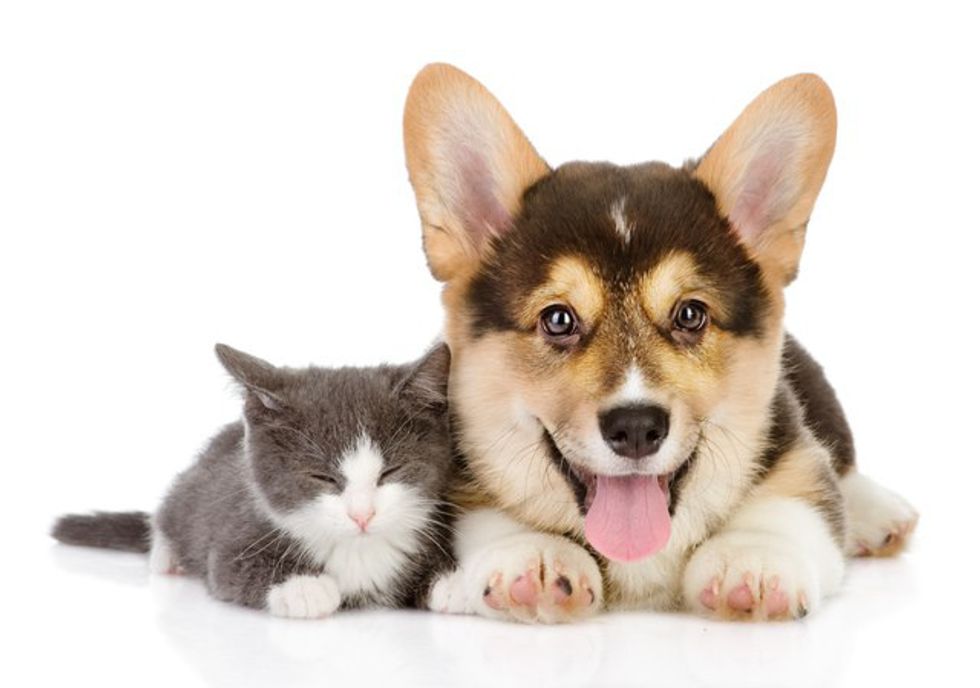
Of course, there are things you should know before running out to pick a pet. They're expensive. Once you have one, it needs its own space, be that a fish tank, a bird cage, a yard, or merely a sufficient living area. They need to be vaccinated. Really. It's important for them and you. They eat. A lot. Then they poop. A lot. Adopting an animal is a big responsibility, and you shouldn't get one if you aren't absolutely sure you can handle the financial and time commitment.
But just imagine their little face when you take them home from the pound. You're the savior from that tiny, noisy cage! You're their new best friend! It's pretty incredible. Pets are companions for life, and everyone needs a ride-or-die. Who cares if yours meows?