Driving is one of the greatest and most enjoyable luxuries we experience in this world. Pensively glancing out the window and seeing beautiful country roads while your favorite song is playing is one of the greatest joys in life, not to mention the efficiency of driving compared with walking or biking. Since I've been in college, the freedom and peace of mind I'd always associated with driving has been one of the aspects of my high school life that I've missed the most.
Unfortunately, throughout my fond memories of driving, I also remember the intense feelings of guilt I felt whenever I filled up my beloved silver Sedan with gasoline. Going to my local Chevron never failed to remind me of the detrimental effect the burning of gasoline to power cars has on the environment. CO2 emissions from cars are one of the largest factors contributing to climate change. In addition, the oil industry is arguably the most corrupt in the world. Other than banks, the majority of the world's largest and most powerful transnational corporations are oil companies. With no regard for the people, wildlife, or environment of their drilling sites, these US-based companies often plague foreign areas of high biodiversity and cultural richness with Westernization, disease, and pollution. Also, oil disputes between countries have often contributed to to some of the most violent conflict in history.
With all of this knowledge, my euphoric drives through the Oregon wilderness were always soiled by the thought that I was participating this corrupt system by powering my car with gasoline. I always pushed this thought out of my head, remembering that as a high school student with very limited funds, it would be impossible for me to trade in my financially reasonable used Acura for a $30,000 Tesla or Nissan Leaf.
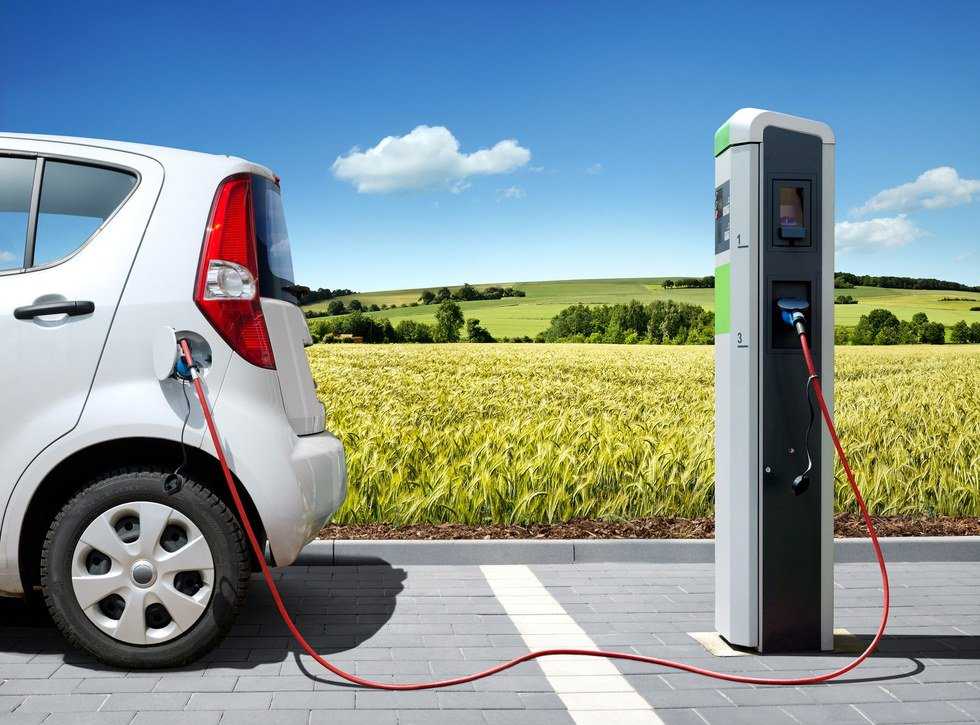
However, after writing a paper on the destructive effects of Chevron on the Amazon rainforest and its indigenous people, I knew I couldn't continue to feed this cycle. Once I knew the details of the most biodiverse place in the world was being destroyed and its people were dying of oil-attributed cancer at alarming rates, I decided that unless I could drive an electric, I needed to stop driving. Still attached to the concepts of freedom, efficiency, and tranquility I found in my car, I was inspired to look up the cost of a used Nissan Leaf, if they even existed yet.
I was pleasantly surprised to discover that a used 2011 Nissan Leaf in good condition was $7777 which was around the same price of a used Honda Civic from the same year. Now that electric cars are being cycled through the used car market, they are highly accessible to middle-class citizens. Driving an electric is no longer a privilege of the elite, but is now an option for middle class Americans who don't want to participate in the corruption of the oil industry and the destruction of the environment.
Although I paid $2000 less for my 2001 Acura, I decided that even though it would be difficult to make an extra $2000, it would be a worthwhile price to pay. But then I realized another game-changing perk of electric cars; the elimination of gas money. The average American pays $2000 in gasoline each year. So, within just one year of driving, I would actually earn back the extra money I paid to drive an electric. Within four years, the car would practically pay for itself.
Therefore, it is actually becoming cheaper for the middle-class citizen to drive a used electric car from 2011 than another used car from 2011 because the weekly $50 spent on gas is completely eliminated.
If you're like me and hate the oil industry and climate change but love the earth and driving, I advise you to look into buying a used electric. Your refusal to participate in environmental degradation will pay for itself -- literally!