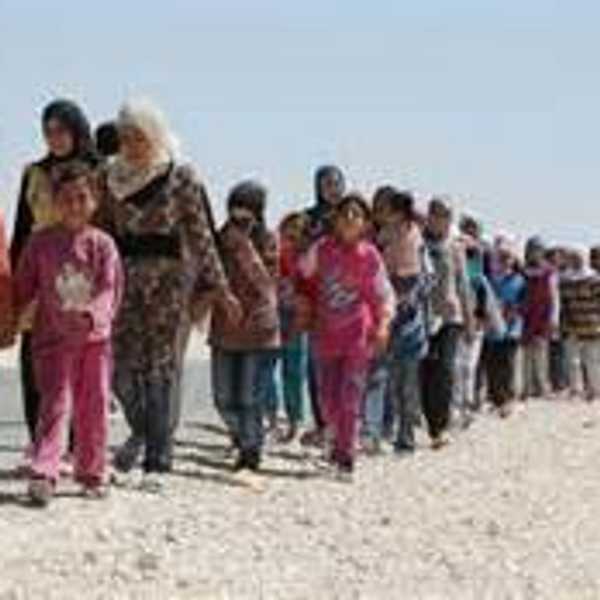
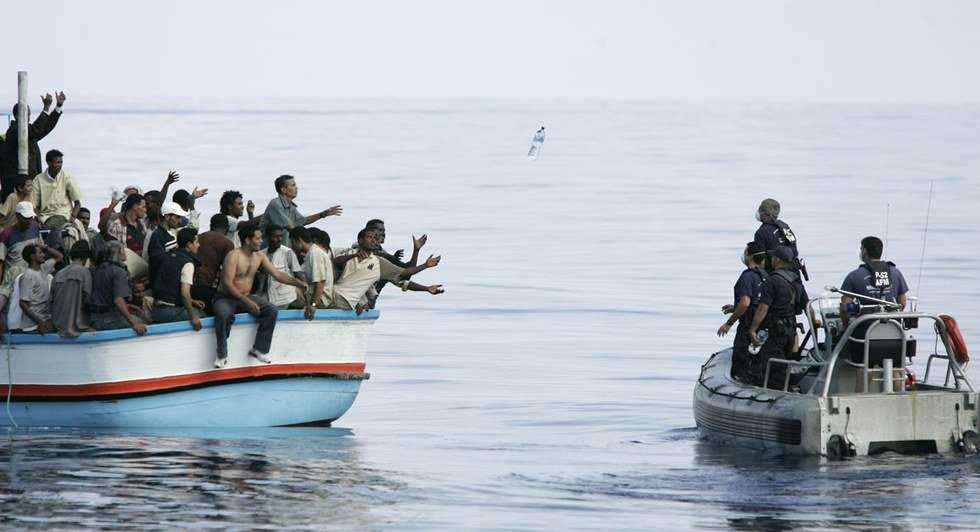
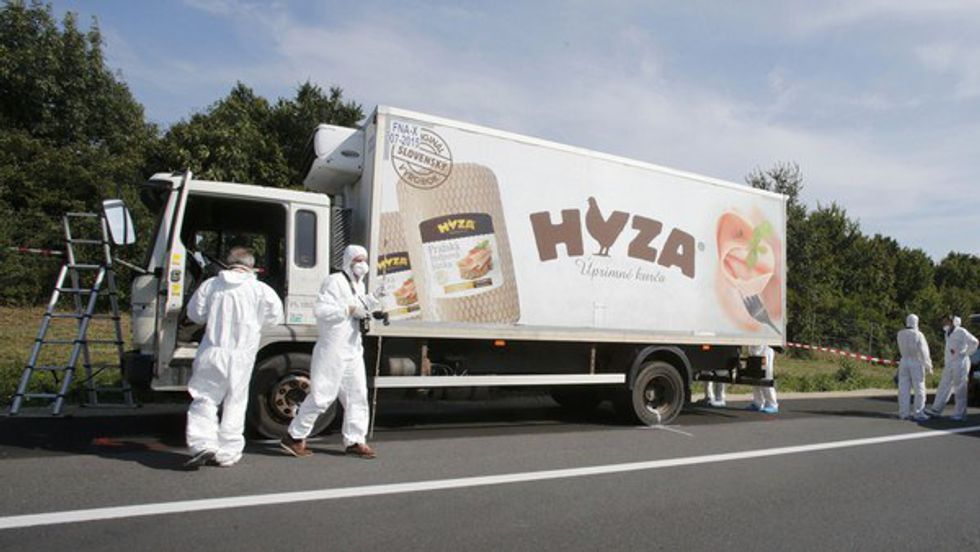
The pictures are horrifying: huge masses of people trying to swim across the Mediterranean, many of them drowning; farmers' fields getting trampled as stampedes of people trail through them; truckloads of people illegally sneaking into countries by human traffickers; and, perhaps the most disturbing, a truck of 50 decomposing bodies found on an Austrian highway just last week.
This is the biggest wave of immigration Europe has seen since World War II, and they’re taking desperate measures to deny entry to as many refuges as possible. Hungary has already built a razor-wire border fence to try to keep immigrants out. In fact, many countries have closed their borders to immigrants.
However, these drastic measures aren’t stopping desperate migrants. They want to get to safety, and fast. Recently, immigrants attempted to swim across the English Channel to travel from France to England. At it’s shortest length, the English Channel is 21 miles long. Add in some waves and a strong current and you’ll see just how far immigrants are willing to go to escape the conflicts in their homelands.
While this deadly crisis is occurring overseas and far from our red, white, and blue borders, I found that many people knew little about the crisis. Here are the basic facts you need to know about the European migrant crisis:
Death tolls are on the rise.
Migrants leaving their homelands are often hoping for a better future, but many of them don’t make it far. 75% of migrant deaths worldwide occur in the Mediterranean Sea from trying to swim to safety. This disturbing video shows migrants trying to board a cargo vessel from a sinking raft.
Turkey saves the day.
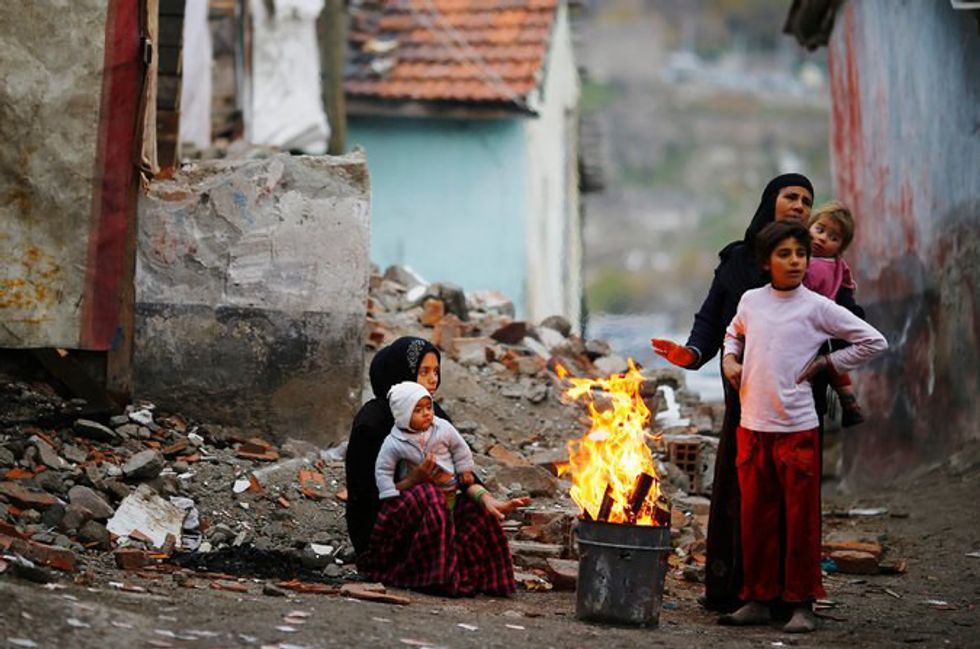
Turkey currently has 1.6 million displaced migrants within its borders. That’s nearly half the people who have fled Syria since the fighting began four years ago. This act of kindness comes with a pretty hefty price tag attached: $4.5 billion and rising. Turkey has also given basic services such as healthcare and education to Syrians, but refuses to give them full refugee status, which would extend their services.
It’s not just Syrians.
Many people are under the impression that most refugees are seeking asylum from the civil war in Syria, but that’s largely false information. Eritreans are seeking asylum from dictatorship, and Malians are escaping a civil war as well. The EU has received over 200,000 applications for asylum last year alone. That number has skyrocketed this year, but people are tired of waiting. Many take issues into their own hands and pay smugglers to bring them to financially stable countries such as Germany and France, often ending in tragic results, as seen in last week’s news.
Europe’s response
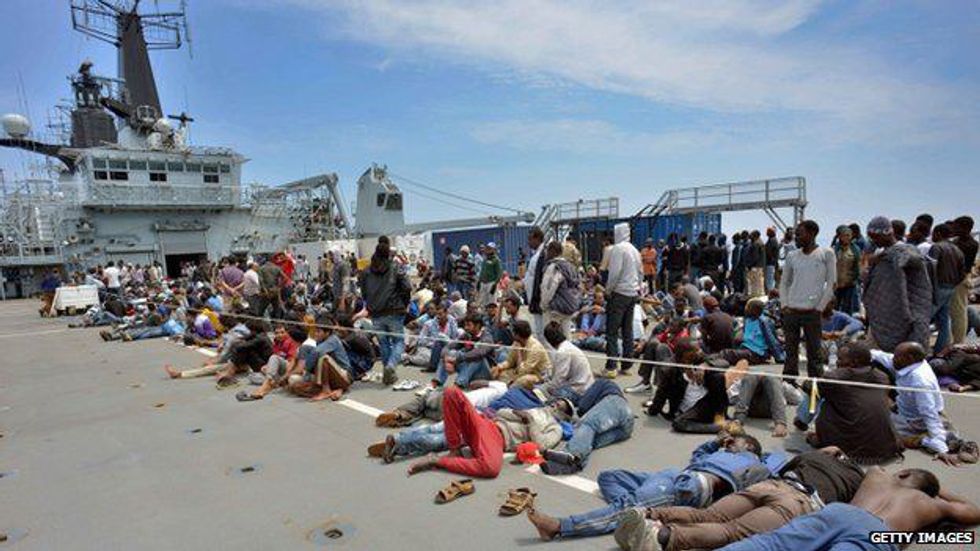
The EU requires that asylum petitions be processed by the country in which migrants first arrive. As a result, southern European costal countries, such as Italy, Albania and Greece, are overwhelmed by the amount of migrants arriving every day, while northern countries aren’t feeling as stressed. For example, take Italy and its border patrol. Italy had a program in place to find and rescue migrants trying to cross the Mediterranean. In fact, they were spending $9.7 million a month to fund the program because of the overwhelming amount of migrants attempting to cross. The program had to shut down due to lack of funding, causing Italy to turn to northern European countries to help. France, the U.K, and many other countries refused to offer support for the rescue operations for fear that doing so would encourage more people to attempt to make the dangerous sea crossing.
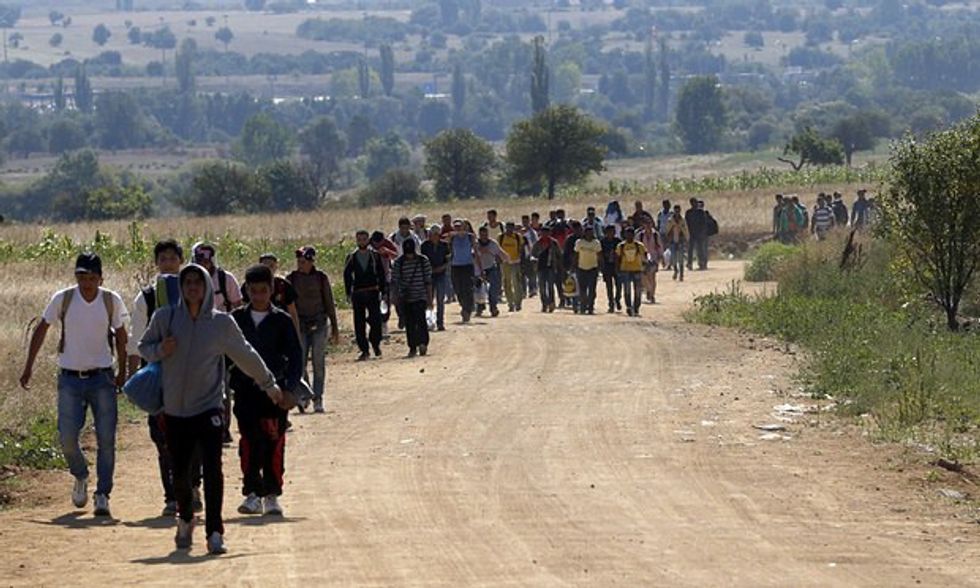
While the migrant crisis in Europe doesn't show signs of slowing down anytime soon, many people wonder what they can do to help. While donating money may help a few, it's ultimately up to the European Union to pursue a migration, asylum, and refugee policy that takes all countries into consideration. Many have proposed a policy that divides the number of refuges between all countries; others have proposed finding a common approach to managing all European borders. Some even advocate for contracts with migrants eventually returning to their homeland once it's safe. There's no real answer to the millions of displaced migrants yet, so for now we can only wait and see.