For those who love New York City, you may want to see it while you still can, because in the future, rising ocean levels will begin to devour most of Manhattan.
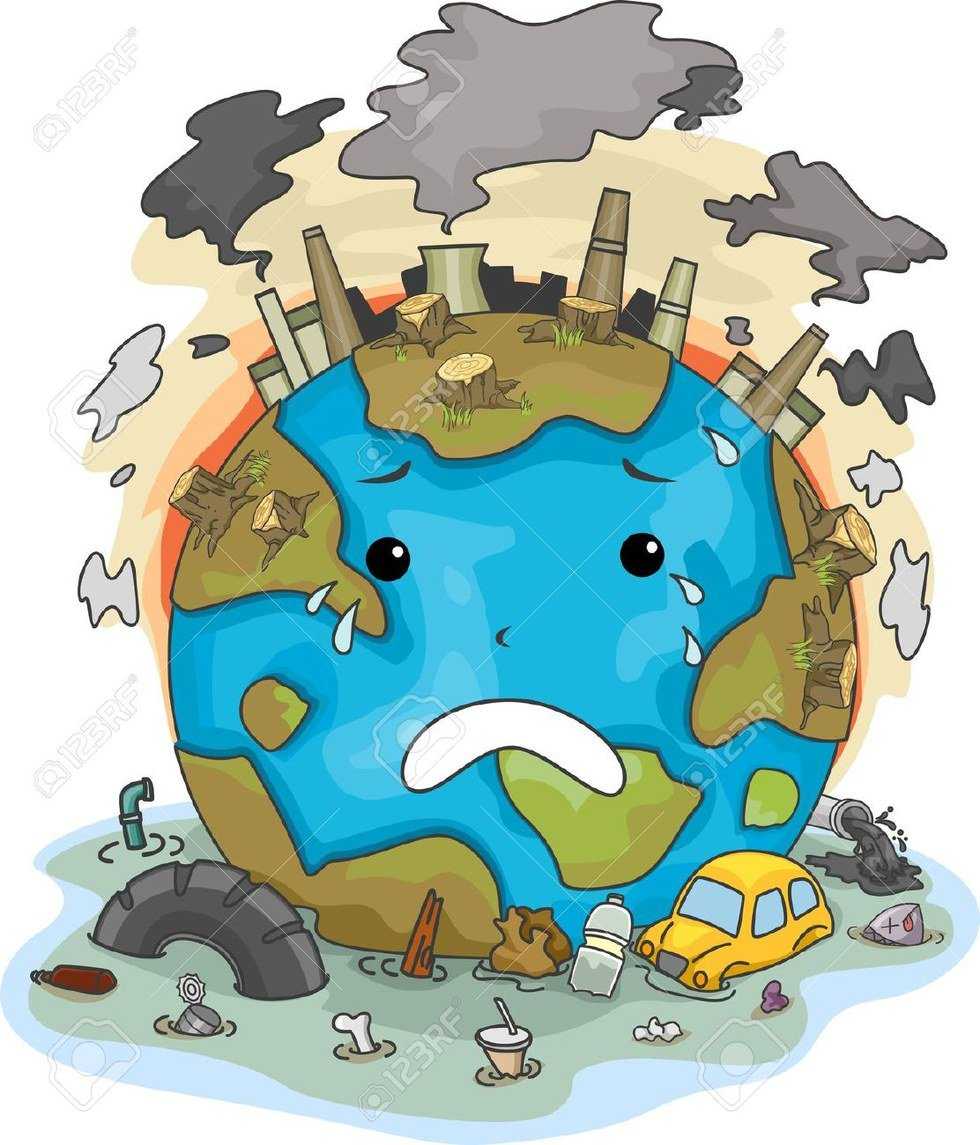
There is no scientific doubt that climate change is real. And yes, while the earth goes through natural cycles of heating and cooling, never before has that cycle been interrupted by an exponentially growing population of humans, who, according to worldwatch.org, use 82.4 million barrels of fossil fuels and cut down 15 billion trees per day.
So, what does this mean?
Scientists have predicted that if human production of greenhouse gases, waste and deforestation continues, the earth’s temperature will rise by more than 2 degrees Celsius per year, resulting in the melting of ice caps that would produce a 20-foot rise in ocean levels. Suddenly lower Manhattan, Miami and the existing California coast would be underwater, not to mention smaller islands and countries like the United Kingdom.
From this information, there seems to be a general trend of local activism popping up, whether it be in terms of green school and business initiatives, or cities making recycling more accessible and preferred. That being said, there seems to be no real action at the higher levels of government, especially at the federal level to work both within America and with other nations. In the past year, President Obama implemented the Clean Power Plan, which would reduce the United States’ carbon dioxide emissions by 32 percent, while improving the overall health of American families and boosting the economy. Although this plan was backed by the EPA, it was suspended in February by the Supreme Court, pending that all lower courts approve it before lifting the suspension.
In light of this, the United States will be making no conscious effort to improve the environment for at least the next 18 months, when a new president will be in office.
I recently attended a panel discussion on the current election held by members of the political science department here at Lehigh. Professor Wurth spoke to us about the different candidates’ positions on environmental impact policy, and what this could mean for America’s progress.
As it turns out, none of the Republican candidates’ campaign websites specify any intended policy having to do with the environment, and Donald Trump’s website doesn’t even mention environmental issues at all. None of them have spoken out about these issues, despite many opportunities, unless they were directly asked about it. Even then, the questions are often diverted. When asked if climate change is man-made, the only Republican candidate to respond “yes” was John Kasich. Both Trump and Ted Cruz do not even acknowledge the existence of climate change, and therefore are not willing to take any action against it.
On the Democratic side, both Hillary Clinton and Bernie Sanders have pledged to help fight climate change, and have specific actions that they plan on taking. Senator Sanders submitted a 16 page proposal to environmental negotiators in Paris, wherein he not only set a goal of reducing the United States’ carbon emissions by 40 percent in the next 15 years, exceeding President Obama’s by 8 percent, but also set a goal of creating a completely clean energy system for America.
There doesn’t seem to be any clear-cut reason why the Republican candidates or the GOP have trouble acknowledging the existence of environmental issues. What is clear, though, is that the Democratic candidates are much more equipped to handle climate change domestically and in foreign policy.
For America, this election could mean the difference between the New York skyline sitting on top of the horizon, or under it.