


Since it came into being in 2004, Facebook has ruled the social media and networking field like no one else. It’s biggest competitor, Twitter, possesses only a fraction of the users and is worth only a fraction of Facebook’s current estimated value. Globally it is the prefered social media platform. So when changes are made it’s a pretty significant deal.
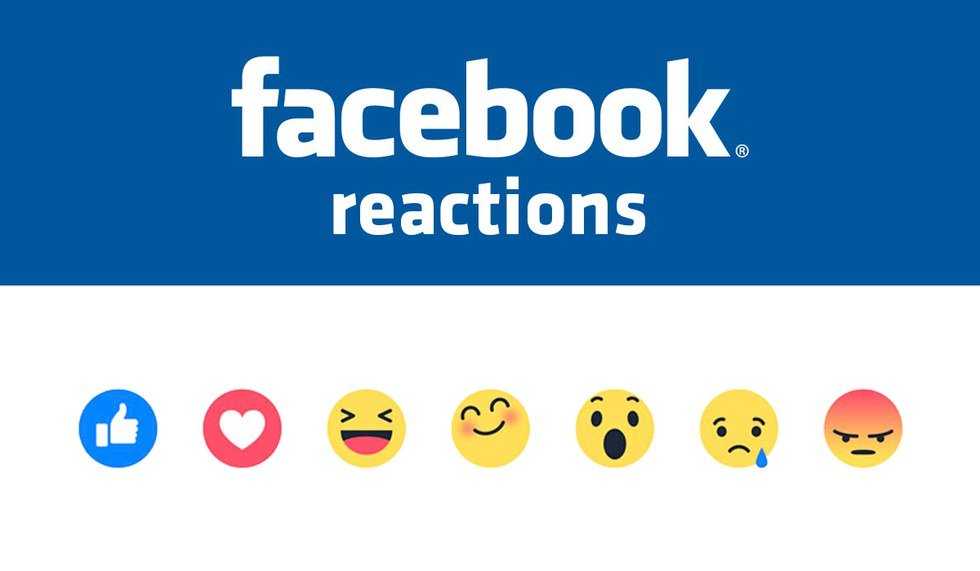
This week Facebook launched their new reactions feature in response to user’s long-time cries for a dislike button. But that, the company claims, would “sow too much negativity.” So instead of adding a simple “dislike” option, the social media tycoon has released a selection of buttons, including “Love,” “Haha” “Wow” “Sad” and “Angry.” These round little expressions are animated and will move when you hold your finger or cursor on the “Like” option. They’re kind of cute, to be honest, even the angry one. I was pretty charmed when I first discovered them and actively sought excuses to use them.
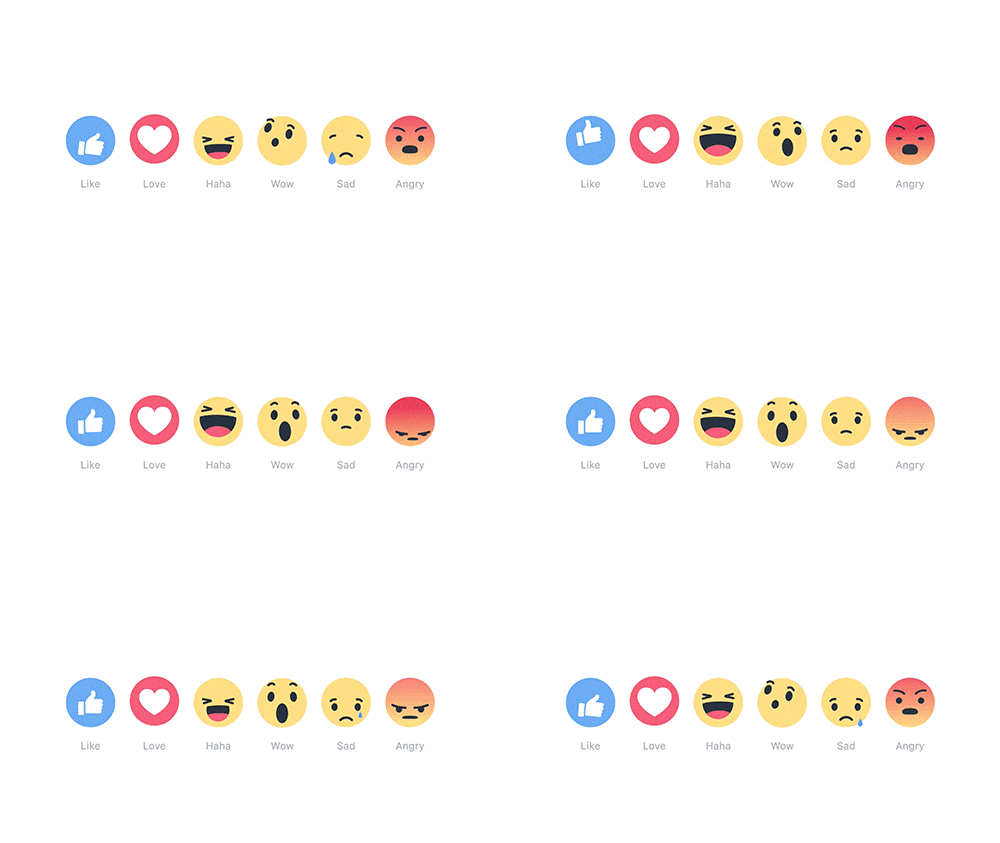
But now a few days have gone by. After reading my peer’s reactions and reviews from people more intelligent than myself, I wonder, are they enough? Has Facebook developed enough of a range to suit our needs? And beyond that, are these too cute to use legitimately?
I asked my friends (on Facebook, of course) and there were plenty of people that agreed with me: Despite expanding their selection of ways to respond, Facebook still feels restrictive.
“All people ever truly petitioned for was a "dislike" button,” one person said, adding, “Also, why can't you use them in response to comments? It seems silly that I should only have one reaction for a post but cannot reaction to the dumb comments that follow.”
Another friend agreed, saying that they liked the new choice to “love” something, but there was still work to be done.” The other options, are very specific emotions, made even MORE specific by being represented by emojis.”
They were particularly displeased with the option for expressing “dislike.” “If I dislike a post, my options do not include "dislike" which can be used for any negative emotion/disapproval, being interpreted by the context of the post….My only options are 'Sad' or 'Angry." Not much in the way of subtlety.”
But this is not the only issue I foresee with the new reactions. Facebook’s emotions simply do not cover their bases with the types of statues people make on their platform.I’m thinking of a specific use in particular: Death.
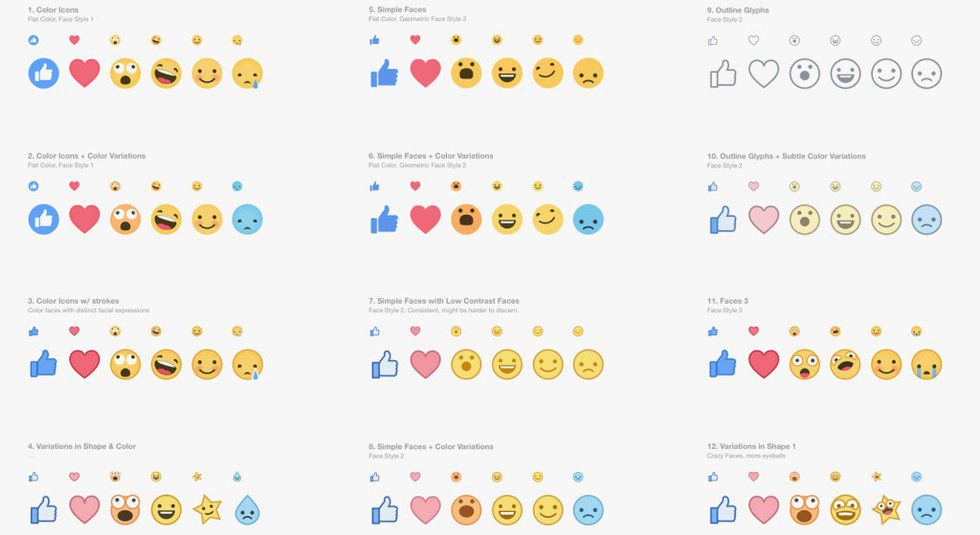
About a year ago I read the Daily Dot’s “Why Facebook Needs a Sympathy Option.” Instead of railing on the lack of a “dislike” option, Miri Mogilevsky thoughtfully noted that “liking” a post about something high unfortunate, say a death in the family or a bad medical diagnosis does not feel sufficient or appropriate. She called for a “sympathy” button, saying “Facebook has become so deeply embedded in many people’s social lives that it’s time for it to acknowledge that sadness and negativity does have its place, and adjust its design accordingly.” Facebook attempted to respond to that call this week. And while the new reactions do offer an “angry” and “sad” as my friend mentioned, they don’t feel…serious. The cartoonish quality makes offering a “sad face” to the news of a friend’s cat passing feels almost mocking. Though judging from some of their intital designs, we didn’t get the worst option.
This year I have personally have a number of friends suffer some very hard losses. At times I was not near enough to personally visit them and I did not want to trouble them to ask for an address so as to send a card. While I think everyone would prefer to offer in-person condolences, sometimes it simply is not feasible. For the most part I’ve had to settle for private messages. But even that can feel rather empty, awkward. An option to extend a genuine, tasteful (and perhaps private) expression of sympathy and condolences is something strikingly necessary that Facebook has been neglecting for far too long.
The kicker is, of course Facebook didn’t just throw these reactions together all willy-nilly. This was years in the making. Developers didn’t take this lightly. They consulted with sociologists. They did their research, hiring Dacher Keltner, a professor of psychology at the University of California, Berkeley, an emotions expert who consulted on Inside Out. According to Slate, Facebook recognized 20 emotions in the development stages of creating reactions -- everything from relief, guilt, shame, and fear. But only 6 made the cut. Even “Yay!” which had been previously marketed as part of of the new reactions package was axed last minute for feeling “too vague” to be a part of their “global product.”


Facebook isn’t really concerned with covering all of their possible bases, they’re more focused on fitting in with the smart phone format and producing a product that is on the razor’s edge of “new.” And I get it -- too many options would be overwhelming to user. I myself get caught up in the sheer number of options my iPhone emojis offers me. 20 reactions is definitely too many, especially when most people simply scroll through Facebook and quickly tap to “like” statuses. To stop and scroll through a list of over a dozen just feels like work and I highly doubt users would utilize these new reactions.
Facebook has made a great start. I understand their reluctance to add a plethora of options -- they’ve always been a company that prefers the streamline, selecting the strictly the necessary over the decorative. This austerity is part of the reason they’ve managed to last in the social media game for so long, as opposed to their clunky, overly-personalized processor Myspace. But I believe they could stand to redesign these lil’ cuties or at least offer a slightly more serious choice for those serious moments in life. For now, I’m interested to see how the internet community is going to make use of these new features.
















