


Students who major in English are often denounced for studying a supposedly “useless” course. Unfortunately, the cruel stereotype of English majors becoming Starbucks or McDonald’s employees still exists, but that doesn’t mean this will happen. It shouldn’t happen. People also think all English majors aspire to be teachers or starving novelists who’ll struggle to sell millions like Danielle Steel. OK, that’s possible. But since English falls under the Liberal Arts and Humanities, it doesn’t apply to only one specific career. It actually links into a wide range of jobs, many of which don’t even relate to English at all!
A lot of jobs value strong writing, speaking, and critical thinking skills, and students learn how to apply these skills in their awesome English classes. This is why English is such a great major, way better than people assume. Below lists seven—only seven—of the many career paths English majors can accomplish. I should blurt out these jobs next time someone condescendingly asks me what the hell I’m going to do with English, or tells me that I should major in Nursing just because I’m a Filipino woman.
Lawyer
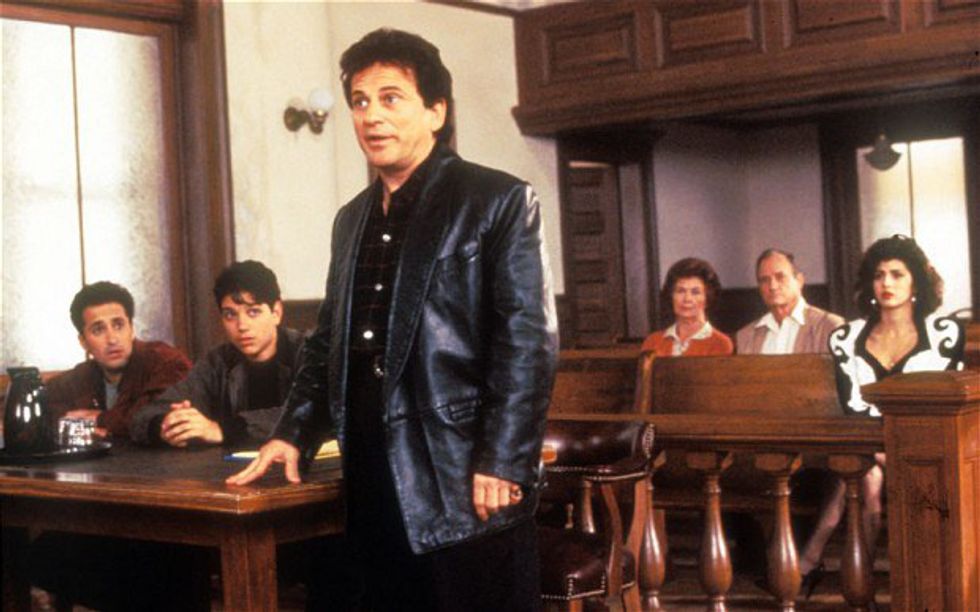
With the heavy amount of reading required in Law School, English majors are one step closer to this career. Reading obscure, nuanced literary works like Joseph Conrad’s “Heart of Darkness” may help prepare English majors to analyze passages in laws and policies. Lawyers also speak and write coherently, and think of the best strategies to solve a difficult case. Fortunately, students who graduate with an English degree should be equipped with these skills. Most literature classes are discussion-based, where students argue about what part of the text signifies and why it’s even important to point out in the first place. Making strong, persuasive arguments is key to defending your client. You don’t need to major in Political Science or Criminology to be a lawyer.
Social Media Manager

English majors showcase excellent communication skills that have become essential for more jobs than we realize. A Social Media Manager is an example—and a great one, too. Social Media Managers who possess valuable communication skills would convince the public to utilize the website and easily explain how the networking works. Social Media Managers also know how to reach out to users by writing clearly and effectively, via e-mailing, messaging, commenting, etc. With all the persuasive essays English majors write, they are totally fit for this job. Millions rely on social media, and a Social Media Manager is certainly a unique, exciting career English majors can partake in. It’s possible!
News Reporter/Journalist

This shouldn’t be surprising since, as we all know, English requires intensive writing. But news reporters do more than just write, and they pick up other skills from being an English major as well. News reporters or journalists conduct interviews, research and analyze facts, and negotiate with their editors. They have tougher, more important tasks than people think. English majors shouldn’t throw away those research or communication skills; this career is totally calling their name.
CEO
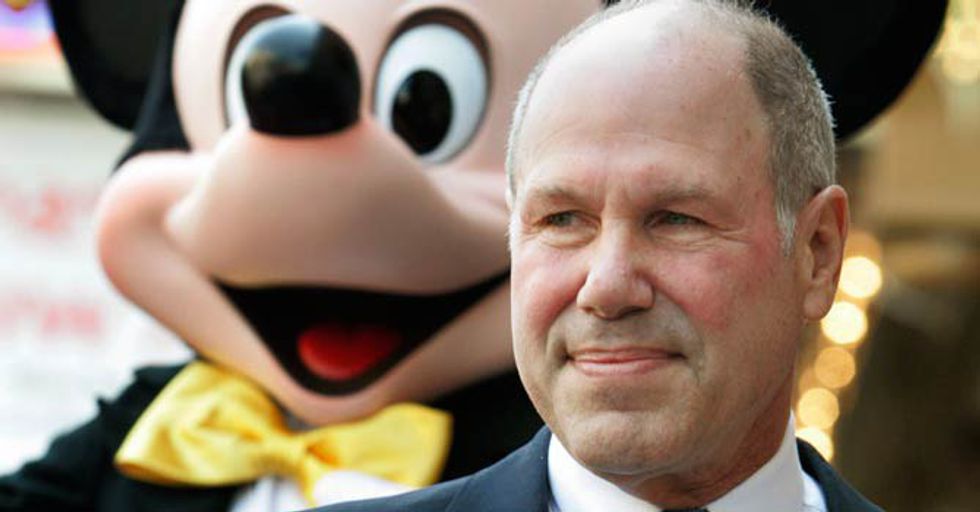
Michael Eisner, my fellow English major and Disney enthusiast.
Believe it or not, English majors become the top dogs of a company too. According to Time.com’s “10 CEOs Who Prove Your Liberal Arts Degree Isn’t Worthless," both former Disneyland CEO Michael Eisner and former Avon CEO Andrea Jung obtained degrees in English Literature. Not only do CEOs come up with the most effective ways to make money for their companies, but they are persuasive communicators and writers, too. Effective writing skills are not only present in the academia; they transcend into the business area. English majors may be in luck. CEOs also solve ongoing issues occurring in their company, thinking of strategies to better the company for the public. To do this, they should carry critical thinking skills and be able to present ideas they have in mind. English majors do these in their assignments every time. Hail to the words.
Travel Agent

English majors love to voice their opinions in and out of school. Luckily, so do travel agents. Being a travel agent means recommending clients the best places to go to, and how they should arrive there. Like social media managers and CEOs, travel agents network well with people, and this task also isn’t accomplished without mastery in coherent writing and speaking. Because travel agents regularly connect with their clients, they also must carry problem-solving skills to help out with issues clients have regarding time flexibility. Who knew English majors could pursue an awesome career like this?
Director of Admissions for Schools
I wonder if the Director of Admissions at Long Beach State majored in English.
English majors truly reign over the educational area—and it’s not just in teaching. Universities, particularly those with competitive admissions, require their applicants to produce a thoughtful, sophisticated essay, and the Director of Admissions knows who should be accepted or not. A Director of Admissions also writes coherently, for he or she will notify the student via e-mail or letter if they have been granted admission into the institution. Students and even admissions officers consult them for further questions; this is when a Director of Admissions’ strong communication skills are essential. Competent research skills are also important for this career, as Directors of Admissions gather facts that show benefits of their school, and why students should apply.
Film Editor

I’ve saved the most interesting career for last, since the career that I am pursuing falls under the film industry. While it’s pretty obvious editing techniques are studied in Film/Art and not English, film editors understand narrative. By cutting out scenes that don’t work and switching around the original order of scenes, film editors know how to create the best story possible on screen. Their task shouldn’t feel any different from how fiction writers revise and edit their own creative work.
Film editors who majored in English may even have skills to work for both the film and the publishing industry. And we also shouldn’t forget the fact that film editors are part of a collaborative project, meaning they have to interact and negotiate with other crew members too. That’s when the oral communication skills come in handy again!
Employees need English majors more than we realize. It’s time we break free from stereotypes and stop assuming English and Liberal Arts majors won’t land in a good career. They do—there’s just too many for them!