It was 2009 when I begged my parents for a Facebook account. Yes, begged. The only form of “social media” that my parents knew about was MySpace, and I was definitely not allowed to have one of those. I promised that Facebook was different, more safe. It was just a way to keep up with friends and post pictures. All of the cool kids had Facebook; they were able to instant message each other, post on each other’s walls, and post status updates at any time of day.
I finally became a cool kid—they let me have a Facebook. Out of excitement and happiness, I added about 200 people in the first hour, even if we only had one mutual friend. I was one of those users who posted a status every hour: what I was doing, what I had eaten, where I had gone. In 2009, that was okay; nobody really cared how many times you posted on the daily. Now, it’s considered “annoying” to post multiple times a day.
All of those people I added on the first day were in middle school and high school. I honestly doubt I had any friends on Facebook over the age of 18. Back then, I would have never guessed that Facebook would become a place to stay connected with my parents, aunts, uncles, cousins, great aunts, great uncles, and grandparents. As the Facebook demographic has expanded to people of all ages, my experiences with the site have changed as well.
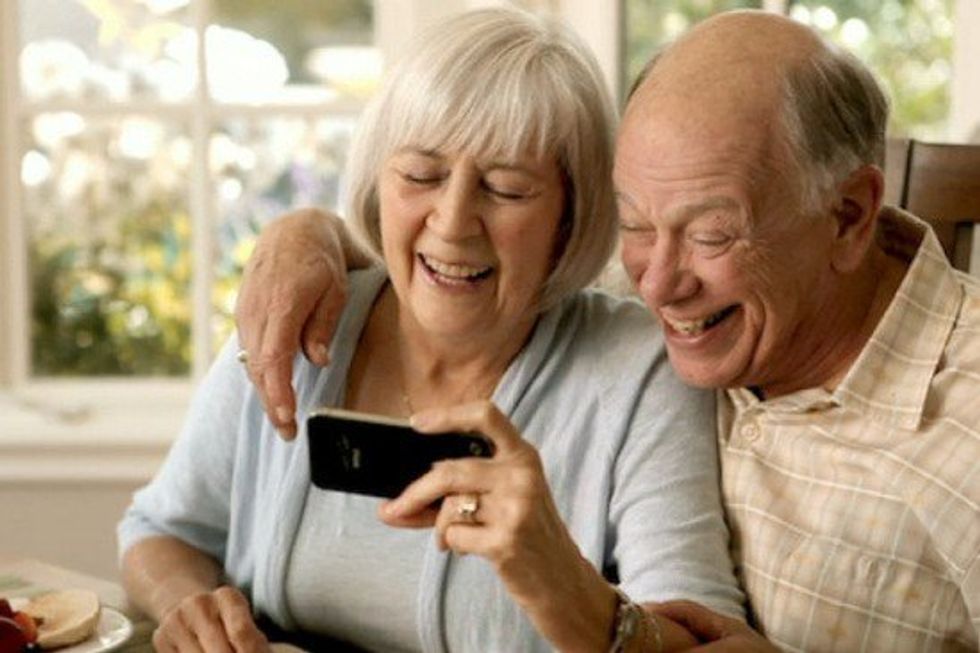
Let’s start with the likes. The majority of notifications I get right after I post are from my family. I can always count on my grandparents and even their friends for a like on my statuses, pictures, and shared links. It’s almost like a high-five on the Internet, like saying, “Hey Cynthia, this is cool. Good job.”
I can count on comments, too. My family regularly comments upon pictures of my friends and me. The comments are always positive, like “Pretty girls!” and “Looks like you’re having fun!” I appreciate comments on my pictures, especially from relatives showing their love via Facebook. I can almost hear the voices of my grandparents cheering me on.
My dad is a particularly popular Facebook user. When he posts pictures and status updates, he racks up over 100 likes and comments. I remember helping my dad set up his account shortly after I got mine, and for the longest time, he only had about 28 friends. Then a couple of years ago, everything changed. Facebook is now a place for old colleagues and neighbors to reconnect, which I guess is why my dad gets so much attention. I try not to think about how much more popular he is than me (on social media, at least.)
There are some downsides. Having so many relatives as Facebook friends makes me think twice about every post. Would I really want Great Aunt Cheryl seeing this picture? What kind of comments and questions will this post inspire? Do I look happy enough, or will my mom worry that I am lonely? My relatives now also have a strange familiarity with my friends in college. They talk to me about friends I have never actually mentioned to them as if they know them well. They are also very familiar with my relationship status, which is not something I’d necessarily confide in my second cousin from New York.
Despite the downsides, I enjoy being able to count on Facebook to keep in touch with my loved ones, especially since I have moved out of state to go to college. Facebook gives my family a way to subtly know what I have been up to without calling me every day. Without Facebook, my family wouldn’t have been able to view my new dorm room, watch me join a sorority, or see me dressed up as Tigger for a philanthropy event. Embracing your relatives on Facebook is not hard at all. For me, it is part of loving my family and knowing that all of the likes and comments are like a long-distance hug from home.