
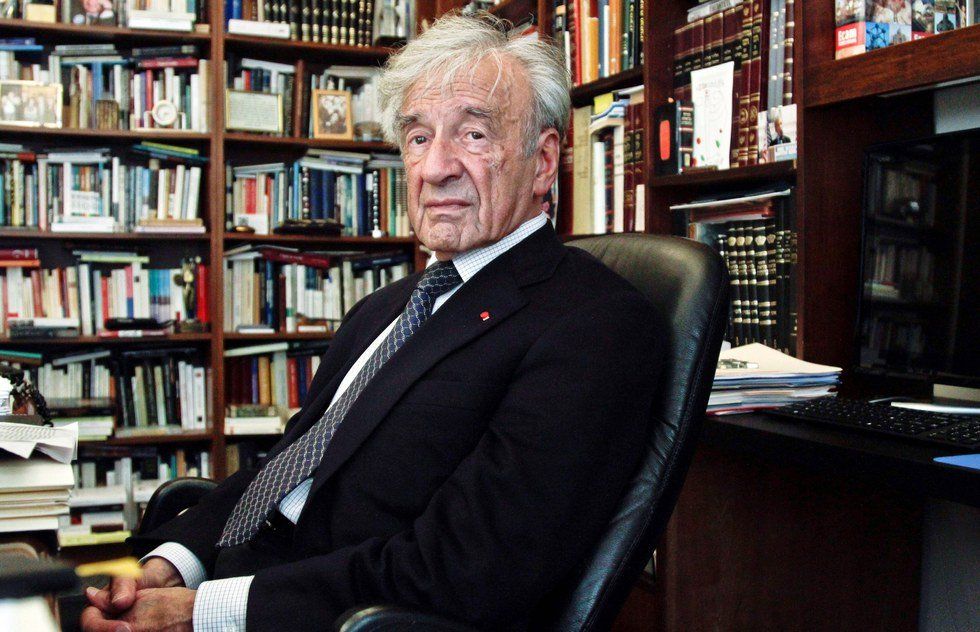
Six years ago, I was assigned by a history teacher to read Elie Wiesel's "Night" for the first time. Every night before bed I read a few pages, and as a result I had nightmares and an ongoing sense of terror and anxiety. I stopped reading the book and instead argued with my mother every day about when I would finish the book. You see, I was the only even partially Jewish student in said class and had felt this book affect me very differently than it affected my Roman Catholic classmates.
I didn't know it then, but this effect is called "being connected." Some call it "Jewish Connectivity," as there are two things that most Jews, regardless of their secularity, will get impassioned over: the Holocaust and Israel. This isn't a connection that drives us to temples or forces us to practice shabbat, although many of us do. This is a connection to Jewish culture, a culture that has been around and suffered through ongoing opposition, ridicule and persecution since the beginning of time.
"Wherever men and women are persecuted because of their race, religion, or political views, that place must - at that moment - become the center of the universe."
-Elie Wiesel
Elie Wiesel was a Jewish writer whom I owe the awakening of my own Jewish connection to. He was born in Hungarian Romania and grew up speaking Yiddish, the language which most young Jews, if nothing else, owe their slang to. As a child he was encouraged to learn Hebrew and study the torah as well as having been instilled with a sense of Humanism by his father, something that would follow him indefinitely.
At the age of 15, Elie and his family were placed in a confinement ghetto, allowed to still live in their home but denied access to anything beyond the gates. Only two months after this, he and his family boarded trains to Auschwitz, of course without the knowledge of what this final destination entailed. (A woman on their train screamed and claimed to have visions of fire, saying that she felt she was burning. Everybody believed she was crazy as there was no fire in sight.) Ninety percent of people were exterminated on arrival, the other 10 percent would be worked to death. Elie and his father were later deported to Buchenwald, where his father became increasingly ill and unable to work. Elie was forced to helplessly listen to his father being beaten only two weeks before liberation.
For 10 years post-war, Elie didn't speak of his experiences. During this time he traveled, made a life for himself in France and became a journalist. Once he was finally convinced to share his story by a friend, he wrote a 900-page unabridged version of his now most famous work, "Night." For the 60 years following, Elie was a face for change in human rights. In 1968 he won the Nobel Peace Prize and later became a professor.
"We must take sides. Neutrality helps the oppressor, never the victim. Silence encourages the tormentor, never the tormented."
-Elie Wiesel
If you have not yet done so, read "Night." I firmly believe that everyone should. Learn about the pain in the hearts of Jews. Mourn Elie but also celebrate his life, his survival, his memories and the waves he has made which have created tsunamis.

In Memory of Elie Wiesel
1928 - 2016
אֵל מָלֵא רַחֲמִים
שׁוֹכֵן בַּמְּרוֹמִים,
הַמְצֵא מְנוּחָה נְכוֹנָה
עַל כַּנְפֵי הַשְּׁכִינָה
בְּמַעֲלוֹת קְדוֹשִׁים וטְהוֹרִים
כְּזוֹהַר הָרָקִיעַ מַזְהִירִים
נִשְׁמַת אלי
,שֶׁהָלַךְ לְעוֹלָמוֹ
בַּעֲבוּר שֶׁנָדְבוּ צְדָקָה
בְּעַד הַזְכָּרַת נִשְׁמָתוֹ
.בְּגַן עֵדֶן תְּהֵא מְנוּחָתוֹ
לָכֵן בַּעַל הָרַחֲמִים
,יַסְתִּירֵהוּ בְּסֵתֶר כְּנָפָיו לְעוֹלָמִים
,וְיִצְרֹר בִּצְרוֹר הַחַיִּים אֶת נִשְׁמָתוֹ
ה' הוּא נַחֲלָתוֹ, וְיָנוּחַ
,בְּשָׁלוֹם עַל מִשְׁכָּבוֹ
וְנֹאמַר אָמֵן