

During my early high school years, I rode my chrome BMX bike almost every day. I was reckless on my bike. When I caught speed from the rolling hills my city was built on, I wasn’t going to give it up so I could stop and look both ways (I also didn’t have brakes). I generally stayed clear of traffic, but the few times I did come close to a collision with a car, I blamed it on them. Why didn’t they see me? They should have been paying attention. With nothing to protect me from impact, I took it very personally when cars got close.
I’m sure it went a little bit different for the driver. “Why are these crazy kids so carelessly disrupting traffic?” Maybe they were angry. Maybe worried, or just complacent to the monotony of driving the same routes every day. I get it now, as most of my travel today is by car. The experience of being on the road is so much different when you are protected by the exoskeleton of your vehicle.
The road is not the only place where this happens. When I’m working my retail job, I wonder how the customer is experiencing it. Maybe they expect me to know everything about the store because of my vest and name badge, which elevate my status. I don’t feel like an authority, but maybe they see me as so. All they know about me is that I’m an employee, but there is so much more on my mind than my job.
It gets more personal than this.
An argument with a friend. You are mad at them, but they don’t know what they did wrong. You’ve told them you’re mad. They were dishonest, rude, backstabbing. Maybe you even tell them what they did. They apologize, but they don’t really understand why what they did was wrong. They’re too afraid to ask, and you think they should know, but how could they actually know if you keep it to yourself. There is a barrier that keeps us from knowing how other people think and feel. The only way to break down that barrier is through open communication.
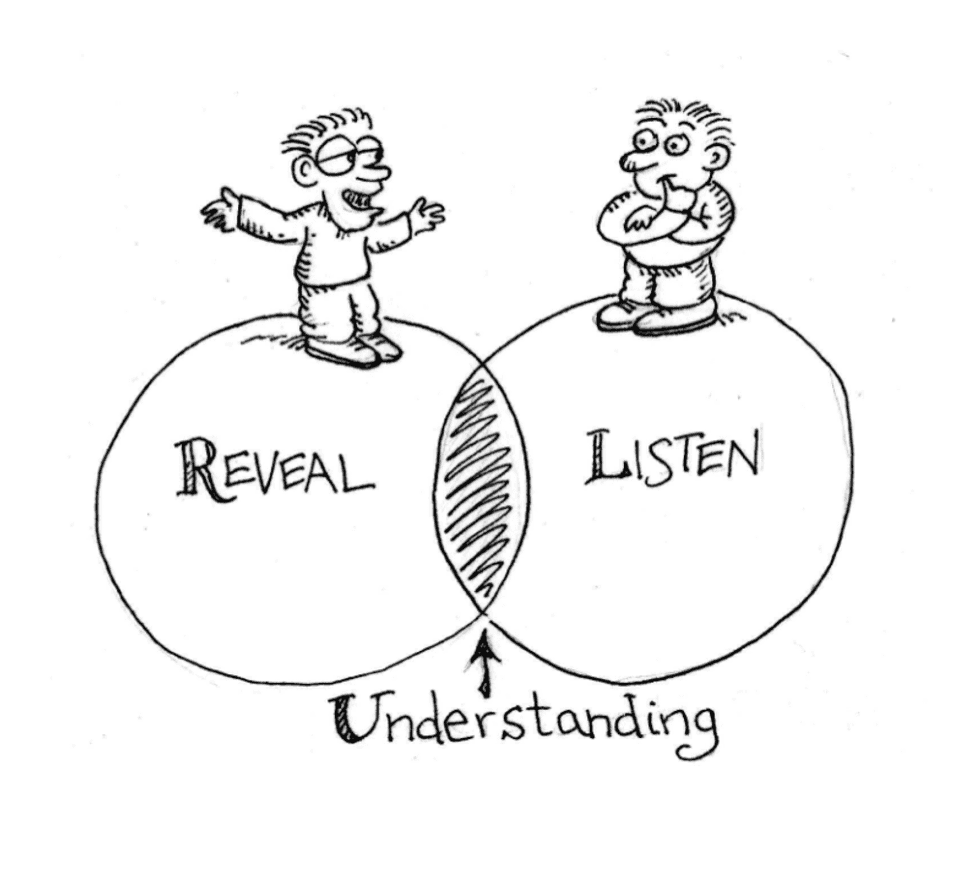
There is no way to know what is going on in other peoples’ minds unless we ask. The only way we can be understood is if we express and explain ourselves. It is wrong to think that what we have to say is not important, or that others won’t care. Seeking and providing full exposure is important to healthy relationships. If someone is never willing to listen to what you have to say, this shows that they don’t value you highly.
In the instance of an argument with a friend, an apology can resolve the fight, but If we don’t know how the other person experienced the situation, we are still somewhat in the dark, and that can leave a scar on our relationship. To avoid this, we should be willing to be vulnerable and let people know when they’ve hurt us or made us feel powerless. We should be open about when people make us feel good. If we first initiate open communication, the people in our life will likely follow this.
Obviously, in situations like customer service, or sharing the road, it is not necessary to communicate our feelings. That doesn’t mean we shouldn’t try to understand their perspective. As we go about our lives focused on our own endeavors, it is important to remember that the world doesn’t revolve around us. We should find time to put ourselves in the shoes of those whom we impact, even if it is in a minor way.