


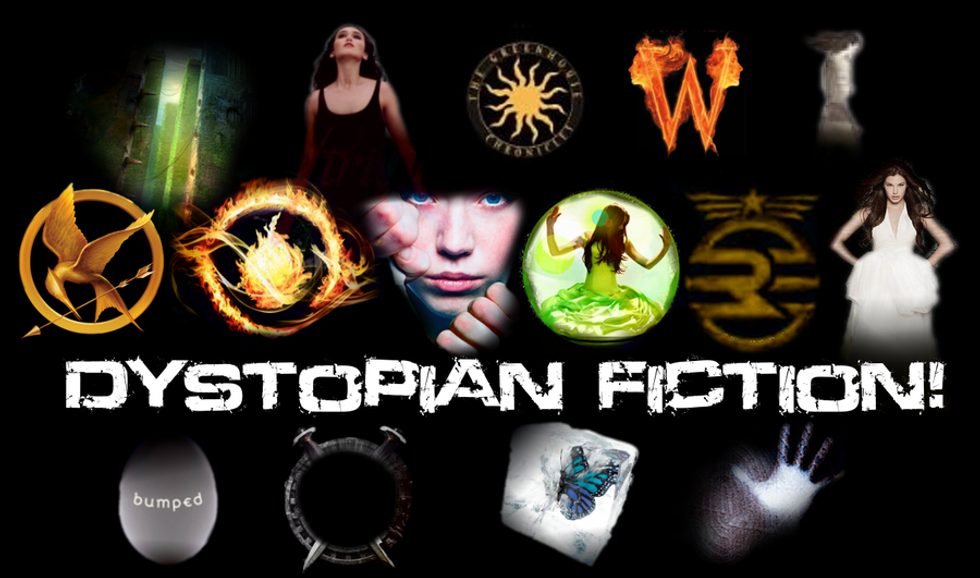
Dystopian novels have managed to trump vampire literature. Nowadays more people look up to Tris Prior or Katniss Everdeen instead of Bella Swan. This trend in young adult literature has no doubt made "Twilight" haters ecstatic and restored their faith in the tastes of teenagers.
But what makes dystopian books so popular? Why does anybody of any age want to read about a bad world in which there is little choice and people often have to sacrifice their morals to survive?
One reason is that these worlds make us appreciate the world we live in now. We might complain about jury duty, taxes and having to get a college degree for most jobs but in the end that is better than being selected for the Hunger Games, living in the ruins of a city and having no opportunity to change social status. These books open to our eyes as to what could possibly happen and why we have to prevent great countries like the United States from ever reaching that state.
Feminists love books like "The Hunger Games" and "Divergent" because there are strong female characters who save themselves as well as others. Katniss has relied on herself for most of her life instead of waiting for a man to come and save her. Countless times Tris and Four have saved each other's lives and Four treats Tris as his equal despite wanting to protect her. In "Shatter Me," Juliette Ferrars evolves from a timid, insecure young woman to a stubborn, brave and determined warrior as well as a leader. Most dystopian heroines save themselves and ultimately their people.
Romance is a huge part of dystopian novels but romance is not the primary goal of most of the main characters. Katniss falls in love with Peeta but mainly focuses on overthrowing President Snow in order to create a better future for Panem. In "Pandemonium," the sequel to "Delirium," Lena believes her true love Adam is dead. Although she mourns him, she decides to honor his memory by trying to create a society with freewill in which people are free to love. Ultimately every dystopian novel makes romance take a backseat to survival and political revolutions.
Although most of these novels involve extremely high stakes involving life and death, the social atmospheres and the problems of the main characters are still relatable to teenagers and young adults. Tris struggles to gain acceptance from the other Dauntless initiates despite her originally being Abnegation and faces intense bullying. Much of the Hunger Games is a popularity contest in order to secure sponsors, so Katniss has to become likable against all the other Tributes.
In every novel the characters struggle to establish an identity and find themselves questioning what they want. Most often heroines start out wanting to conform to society and live as good a life as possible in their conditions but in the end they decide to fight for what they want and what is right. The battle between conformity and desire is a conflict every teenager faces at one point, which makes dystopian characters relatable.
















