It’s safe to say 2015 was the year of societal awareness, where people utilized large platforms like social media to voice their social justice movements with hashtags such as #blacklivesmatter. These communicative mediums have allowed such movements to gain widespread attention by the public. Throughout these conversations, whether it’s in person or online, the word “privilege” is prevalent. Although many people can understand the concept of privilege, others find it confusing as to what it really means. I also lacked the vocabulary I needed in order to fully understand and explain the system of oppression we currently reside in until I took an ethnic studies course my first year of college.
I’m going to break down what it means to be privileged and how privilege affects everyone’s lives on a daily basis through the knowledge I’ve gained in my sources. Before I continue I must disclaim that privilege is a complex and multi-dimensional system and I will not inclusively touch upon all the layers of it.
But without further ado, here is a Dummy’s guide to privilege.
First, let us define privilege. Privilege can be summarized as any unearned benefit or advantage one receives in society by nature of their identity. Examples of aspects of identity that can afford privilege: Race, Religion, Gender Identity, Sexual Orientation, Class/Wealth, Ability, or Citizenship Status.”
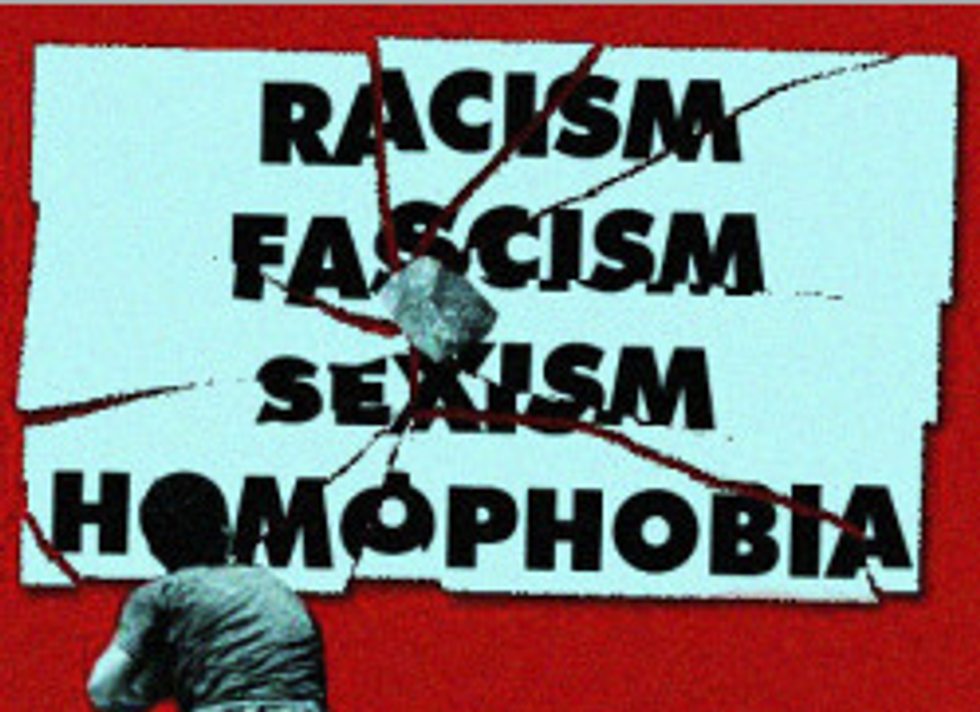
Privilege and oppression are coexistent and in order to thoroughly understand privilege, we must understand oppression. Oppression can be defined as, “unjust or cruel exercise of authority or power especially by the imposition of burdens; the condition of being weighed down; an act of pressing down; a sense of heaviness or obstruction in the body or mind," according to Webster’s Dictionary.
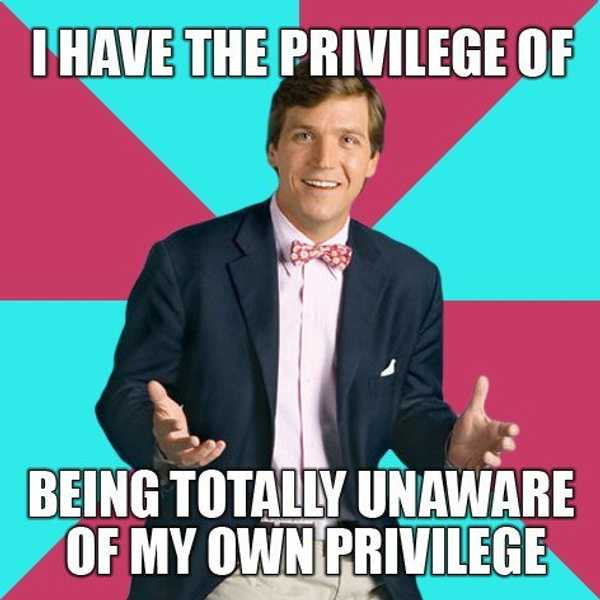
People’s mistreatment in society acts as an obvious indicator of oppression, while unearned privilege can go unnoticed; this holds true on a micro level as well. It is easier to identify our own oppressions vs. recognize our own privilege.
There are many different layers and factors that contribute to privilege, and every individual's experience is unique. However, some prominent ones include white privilege. This can encompass not worrying about being racially profiled when walking down the street, driving or entering a store. Having gender privilege may mean not worrying about being raped or attacked when walking alone at night, or being continually told about the importance of the “buddy system” or holding onto a pepper spray for safety. There are many different forms of privilege and oppression, and both can coexist simultaneously.
The concept of the matrix of domination tells us that some people can be privileged in certain aspects and not in others. For example, a white female may be privileged because of her race but not because of her gender. In the same sense, a black male is privileged because of his gender but oppressed because of his race. Being privileged does not protect an individual from the struggles of life or guarantee a successful outcome. In fact, a white male may work hard and still face many obstacles in life. However, because of his privilege he may not face the same odds of mistreatment as a black male. Privilege is like an invisible cloak and is not always easy to identify.
It is important for privileged people to acknowledge and accept their personal privilege, but simply acknowledging it is not enough. In order to move towards breaking the system of oppression we have been born into we must break the cycle of abiding to our own societal privileges; instead, we should offer a helping hand to share our space on an equal platform. Space can be referred to physical space, but also emotional and vocal space.
Every individual has the power to change their own language; it is our social responsibility to not use language that reinforces stereotypes and biases that reaffirm the current institute of privilege. Using slurs such as that is so “retarded” or “gay”, or insulting boys by claiming they run like “girls” reinforces negative connotations on these groups of people. Although a person’s intent may not purposefully be harmful, ultimately that type of language continues to affirm oppression on groups of people in society and is detrimental in the larger scope.
As active members of society we all hold immense purchasing power. As consumers we have the power to choose where we purchase our products from, and what organizations we give our business to. At the micro level, we can choose not to purchase from organization’s that do not have ethnic or gender diversity, or exclude gay and trans people. On a macro level, we can choose not to purchase from corporations that use unethical labor practices overseas, such as overworking women, children and men while paying low wages while providing an unsafe work environment.
I encourage my readers to research the organizations or institutions they support to ensure they abide by ethical standards that promote equal opportunity. For example, many celebrities have chosen to not attend the Oscars because of the obvious bias towards cis white male nominations. I will not be watching the Oscars this year along with many others who refuse to give our time to an event, which has marginalized women and people of color. It is our social responsibility to recognize privilege, how we participate in privilege and take stands through every decision we make.