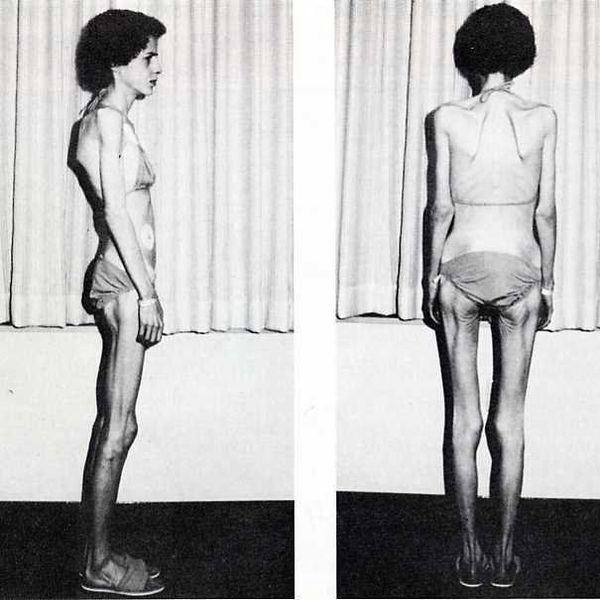
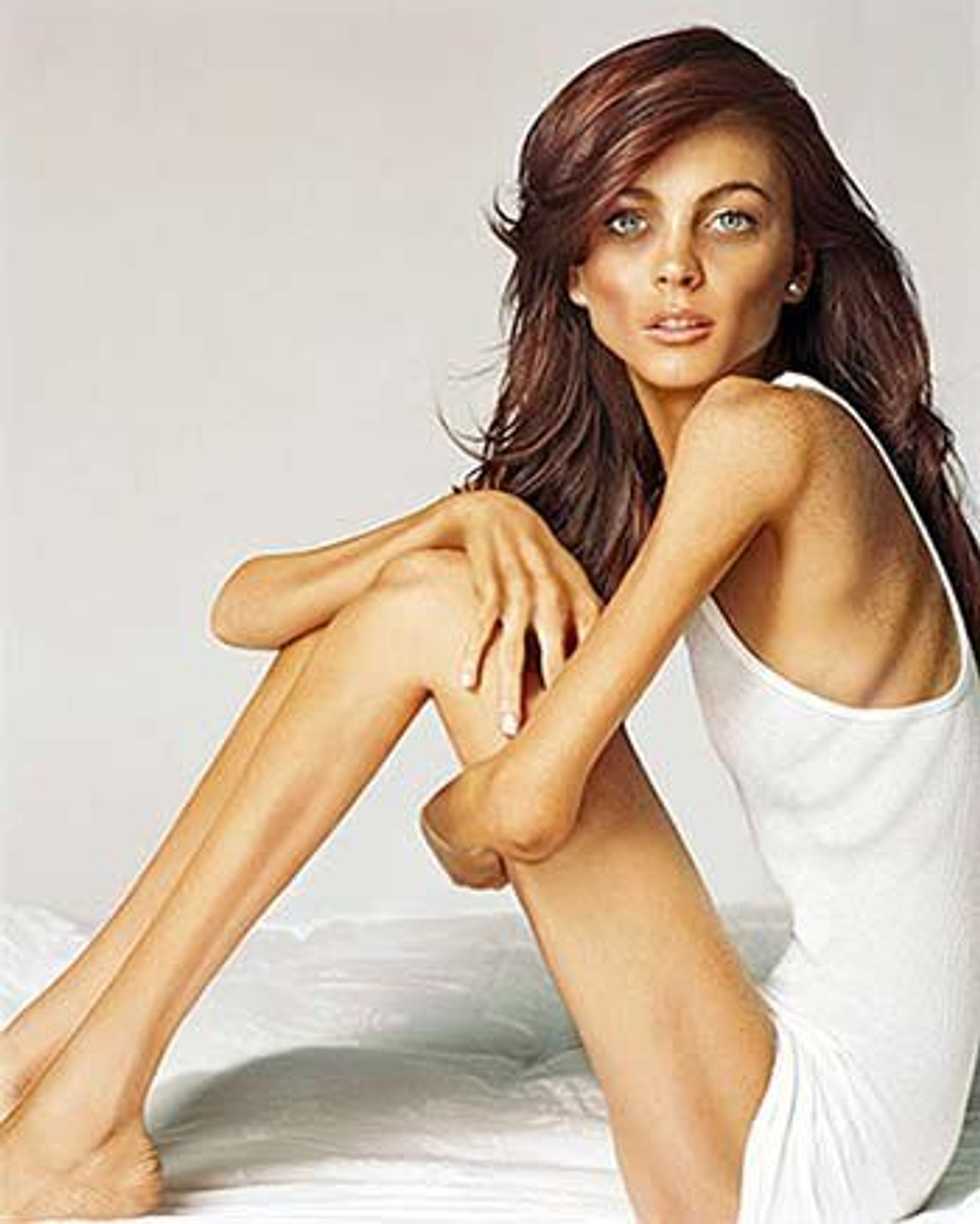
Anorexia Nervosa and other eating disorders among adolescents have become a serious threat to the lives of young girls in America. “We're so often preoccupied with current trends that we lose perspective on how fleeting our obsession with physical perfection has historically been," Eugene Lee Yang, video producer quotes after releasing a video associated with Buzzfeed on the “ideal” body image. Platforms including social media, mainstream media, and even toys like Barbie dolls cause body image issues among adolescents and young women. Mass media idolized the “ideal” body and as a result, adolescents are developing unhealthy habits to conform to media’s standards.
Social media is a huge influence on young adolescents today; some of these are negative influences which cause teenage girls to cultivate body image issues within themselves. Instagram and other social media platforms are triggers in teens who have developed an eating disorder such as Anorexia Nervosa. Anorexia is a chronic illness in which someone purposely limits the intake of food because of an extreme fear of gaining weight. The increase of young girls using social media has increased along with cases of eating disorders among these children. Everyday almost 92 percent of teens ages 13-17 are online, and 24 percent of those teens are online, “… constantly”
Body dissatisfaction starts with visuals. Instagram, Facebook, Twitter, Pinterest, etc are full of women competing to be the “fittest”, “most beautiful”, and the one with the most likes. These contribute to eating disorders as most adolescents look towards their peers for approval and acceptance. Pre-adolescence is when body image starts to make a difference in one’s life, the risk for depression, anxiety, and eating disorders rise as the media promotes thinness and unhealthy exercises and dieting practices. For example, waist trainers, water diets, and detox teas promoted on social media glorify the prospect of being as thin as possible and has a negative impact on young girls as they strive to achieve society’s “ideal” body. Victoria Secret’s “Love My Body” campaign features unusually thin models in underwear which is an unrealistic idea for teens to achieve as the average American women weighs 144 pounds while the average model weighs about 110. These stigmas for body image drive adolescent girls to these eating disorders as the pressure to be thin is rising.
Recently, there has been a rise in anorexia as some individuals treat anorexia as a lifestyle rather than an illness, a whole movement is dedicated to being pro-ana (pro-anorexia); pro-ED (pro- eating disorders); and pro- mia (pro- bulimia). These websites, blogs, and forums are all dedicated to the lifestyle of someone with a horrible illness. They promote low calorie intakes and even how to hide one’s anorexia from her family. Bloggers glamorize the aspects of eating disorders making such diseases seem aspirational; while in fact they are detrimental to a young girl’s health as the effects are far worse than the outcome. Sites like such are becoming more accessible as time passes; Tumblr and Pinterest both have tried to ban “thinspiration” posts with no success as pictures and collages of models with thigh gaps, ghastly skin, and ribs poking through their stomachs are exchanged all throughout these forums. Most do not realize how fatal their actions and words are as children as young as 8 or 10 year olds have access to these sites and even participate in rituals to stay “thin” .
The United Kingdom’s major newspaper The Telegraph traveled inside the virtual world of these sites and found many owners of pro-ana and pro-mia blogs providing deadly tips and tricks on hiding their illness from one’s friends and families. One of their interviewees spoke on how easy it was for her to access these sites a she says, “You can make your profile private, you can count calories - and there are pro-ana groups in the forums. Nobody stopped me. I could get on it 24/7 and got sucked in. I don’t think I knew I was ill. I thought I’d found people who knew who I was, who weren’t judging me for losing weight.” Studies show that these sites can have a destructive effect on those who participate as eating disorders have the highest mortality rate of mental illnesses from related health issues.
Major television networks are another contributing factor of eating disorders in adolescent girls as studies show that about 80 percent of American children watch television for three hours on a daily basis. Television for children emphasizes the importance of being attractive as stereotypes of the thin popular girl are apparent in various shows meant for little kids. Sexually objectifying images and advertisements selling fashion clothes apply a great amount of pressure for teens. Commercials are directed towards females, and 50 percent of those advertisements use beauty as an appeal to sell the company’s merchandise. In television, underweight actresses are over represented; only about five percent of actresses are overweight in mainstream television today. Television series popular with the younger generation venerate thinness and other attributes associated with being considered “beautiful”; for example, wealth and popularity are all reinforcing the idea in young women who watch these shows that being underweight is simply better. Gossip Girl, 90210, and Pretty Little Liars are teen dramas that glamorize being thin, popular, and wealthy which teenage girls aspire to be. Adolescents are watching such shows and be awed by their lives on screen all the while hating their own body and harboring deadly habits to be thinner and thus gain more popularity by seeming more “attractive” according to the media’s standards.
In addition to television, women’s magazines also have a high impact on teen’s body image as young girls rely on magazines heavily for information on social issues. According to the National Association for Anorexia and Associated Disorders (ANAD), about 47 percent of teenage girls reported wanting to be thinner because of a teen fashion magazine. Eating disorders are not caused by fashion magazines and models, but are a contributing factor in a teen developing and/or maintaining an eating disorder. Admiring thin fashion models day after day chips away at one’s body image as she believes the key to her happiness is being thin and attractive. The fashion industry today is taking steps to promote healthiness without starving oneself. The Council of Fashion Designers of America is creating health guidelines for its models which include spotting eating disorder symptoms and warning signs of a developing eating disorder, so models do not have to practice unsafe methods of staying thin to please their employer’s standards.
As one of the most common illnesses among young girls, anorexia nervosa is a harmful disease because of pressures from various sources. Mass media, false advertisement of body image, and childhood toys and television shows all influence young girls and may affect their personal attitude of their body image. The promotion of these unhealthy habits across all forums needs to be decreased as children younger and younger are developing body image issues which eventually bloom into a dangerous disease.