
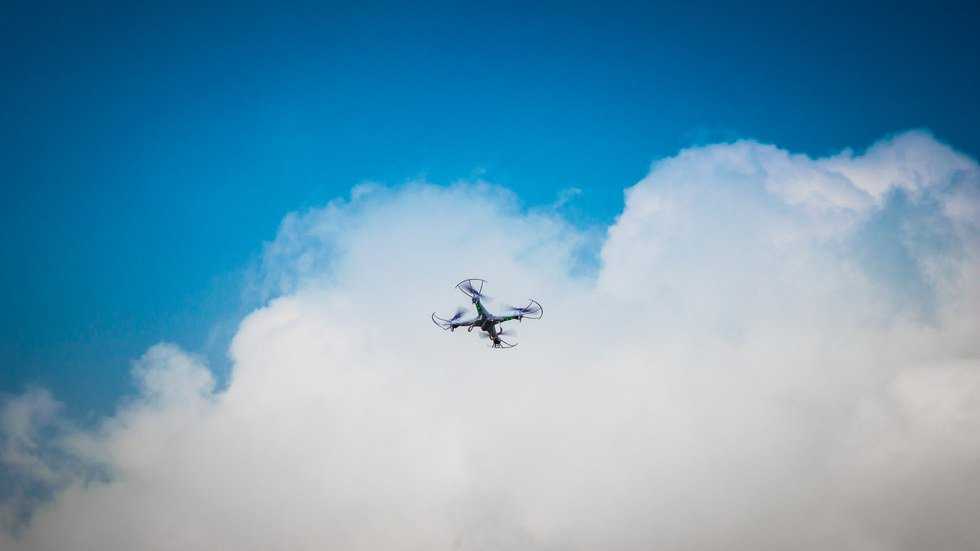
Zipline International in San Fransisco has been experimenting and perfecting a modern delivery method to bring medical supplies to isolated regions. Working with the nation of Rwanda, Zipline International in part with UPS has been designing a series of drones that would be able to "deliver blood, vaccines and other medical supplies to the remote areas of the country". These regions are often inaccessible via vehicle and the drones will be able to save the lives of thousands by cutting time and costs.
The $800,000 plan is scheduled to be fully operational by the end of 2016. In a statement from Keller Rinaudo, CEO and cofounder of Zipline, said at an event at the startup's headquarters last week that he wants to "eliminate the 'lack of roads' excuse" for lack of supplies in remote areas.
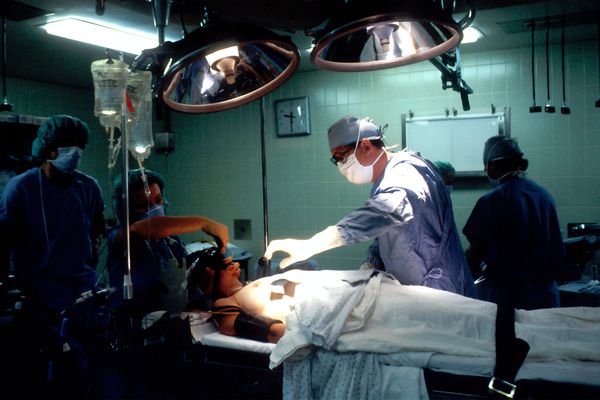
Yearly, over 30,000 patients require a blood transfusion for several life threatening situations including malaria caused anemia. Should a patient require a blood transfusion the nearest blood bank in some areas of Rwanda is nearly two hours away and with over 95% of the nation's roads washed away by seasonal flooding the task of getting proper treatment is next to impossible.
Zipline's project has been able to develop a drone capable of flying 75 miles out and back on a single battery charge.Pre-launch estimates claim that the drones will be able to make anywhere to 50-150 deliveries of necessary medical supplies to 21 different centers across Rwanda. This cost for funding these delivers would be around 5 cents. A dramatic decrease compared to the time and resources spent using overland routes between towns.
There has been a noted problem in the plan. These remote parts of Rwanda lack replacement parts and personnel necessary to maintaining these drones' upkeep. The technology is at the point of delivering these much needed supplies but it has not been answered to how it is to be maintained by any of the parties involved. Especially with Zipline not planning on keeping employees in Rwanda, UPS having a hands-off role and the Rwanda government being a recipient.
The UPS' role in this project has been to ensure the shipments of drones reach their destinations. UPS having access to the international travel that Zipline lacks to ship their projects. With the placement of these drones becoming available in countries that lack more advanced infrastructure the recovery rate for serious illness will increase now that impoverished areas have greater access to medical services.