"Earth provides enough to satisfy every man's needs, but not every man's greed." - Mahatma Gandhi
Environmental science classes were not offered in the curriculum of my Catholic high school, and I never even knew environmental policy careers existed until my high school biology teacher recommended me for the Summer Environmental Institute at Marist College back in my junior year. I wanted to experience a three-credit college-level course, but I actually gained much more than an A on my transcript. I began to question my individual consumption and how human's population has dramatically increased due to the effects of climate change. I also started to become interested in researching about the solutions to the wide issues of biodiversity, and at 16 years old, this Introduction to Environmental Issues class opened my eyes to the field of law that I am hoping to pursue as a career someday. That's why I've become an environmental studies and public policy double major at college and why I want to continue to learn about sustainable development and the environment.
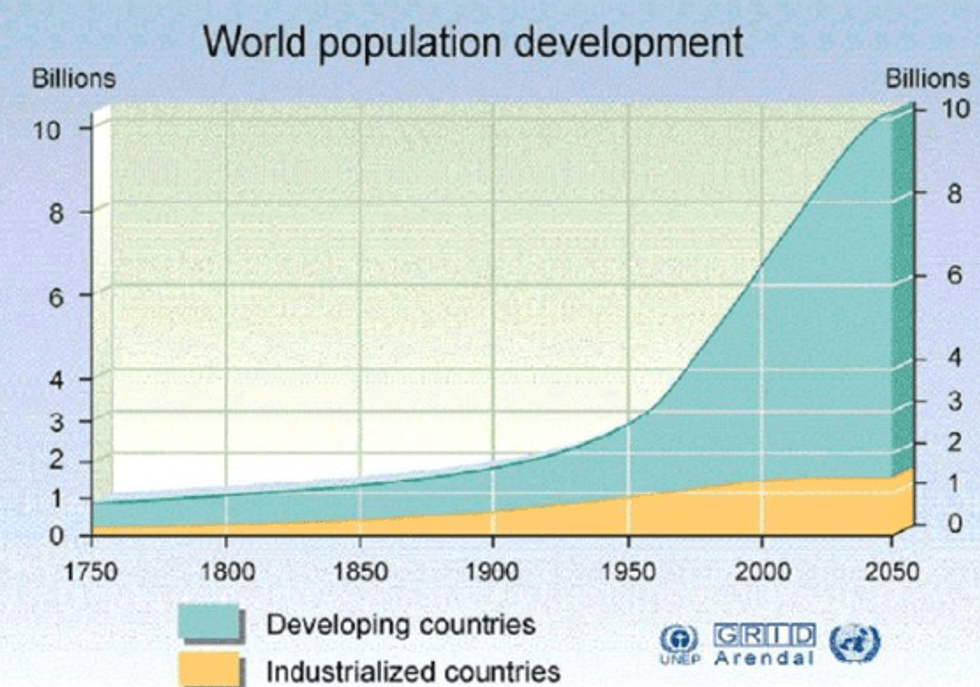
The WorldWatch Institute estimates that the world's population will reach nine billion people by 2050. Edward O. Wilson, a sociobiologist at Harvard University, estimated (in 2011) that the Earth's carrying capacity rate is around 10 billion people. Clearly, we are in trouble both environmentally and economically. Even the most recent ecological disaster, California's drought, has resulted in mandatory water cuts and reduction. Will these reductions become mandatory all over the United States within just a few decades? When are companies (in particular, water bottle companies) going to address this crisis and stop extracting and profiting from our depleting resources?
On the first day of my Natural Resource Law class this semester, my professor explained to us that the atmosphere is a broad category and it's hard to regulate and control state and federal public lands, parks, monuments, tribal lands, water, forests, minerals, rangelands and even wildlife. As I'm starting to learn about the complexities of natural resource law, I'm starting to examine my relationship with the environment. What's going to happen to all the natural wilderness around the globe as our resources are diminishing and our population is ever-growing? The “environmental problematic” asks how will the world respond to the progress of climate change in a way that will protect today’s and the future’s generations. The SUNY College of Environmental Science and Forestry (ESF) defined that "The world's biggest (environmental) problem [consists of the issues] of population growth, human's inability to grasp the challenges we face, and the lack of well-informed, well-coordinated efforts to address those challenges."

I feel guilty when I see pictures of starving polar bears and ice glaciers melting due to the rising annual temperatures. The carbon dioxide emissions from all of our cars, houses, cities, and factories are gradually increasing our chances for natural disasters, intense storms and further droughts. How will the clean-up projects of the Earth’s polluted areas be funded and further protected? Who will implement these orders? I have been taught to believe that no positive action is too small; therefore, any and all sustainable movement are a way to avoid human-caused carelessness into our lives and places. The only way to shift people's focus from individual selfishness is to encourage a dramatic shift. This shift in society could be grounded on valuing nature through educating the public about how their activities are impacting the global environment and threatening societies and animal habitats everywhere. I'm torn between fearing that this shift will never be a reality, yet I'm also a believer that policymakers and powerful figures around the world can inspire this change. I just can't help but wonder how long it will take before this change takes effect, and who will fund all of this?
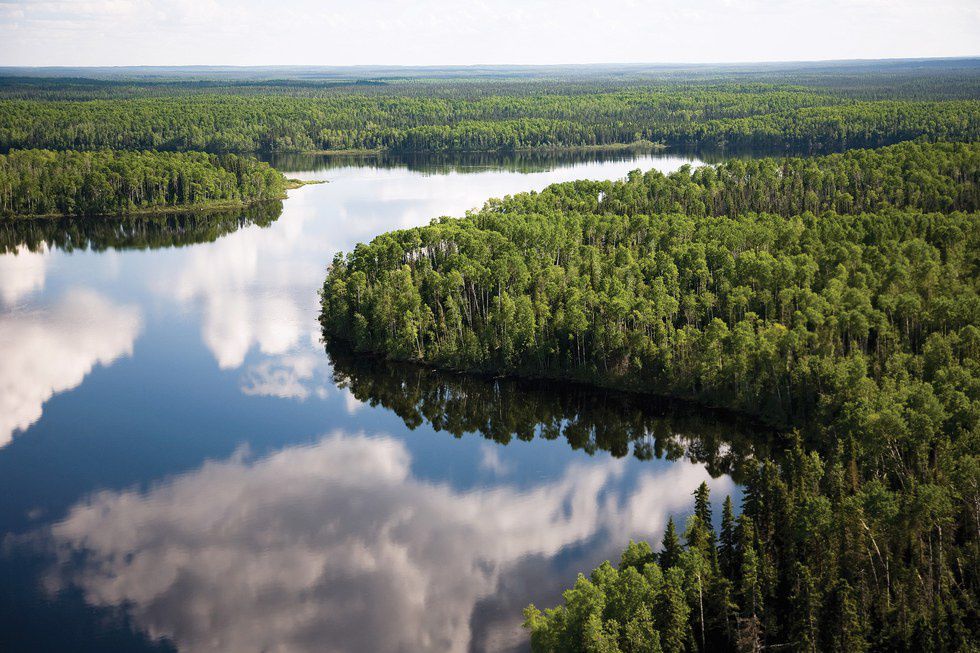
Scott Weidensault and Jeffrey V. Wells address in The New York Times's "The Opinion Pages" ("Saving Canada’s Boreal Forest”) that shockingly, North America’s boreal forest has resisted “the relentless pace of development and industrialization worldwide, 80 percent of it remains wild and intact.” Even though corporations have tried to drain the resources in and on the land, the carbon along with other resources remain undamaged. Due to countless campaigns and organizations, the community has spoken out on their refusal to accept industrial development on the land. As Weidensault and Wells conclude, “There is a way to find that balance between man and nature." Through engaged community representatives, government support, and local state power, many communities have maintained and valued their precious resources. What if every place had this much support for their natural environment? In a capitalist society, it appears that without incentives to consider sustainable development, corporations will not give up their ability to profit land without a re-enchantment and new view on nature. This is what scares me as a growing adult into this kind of future.
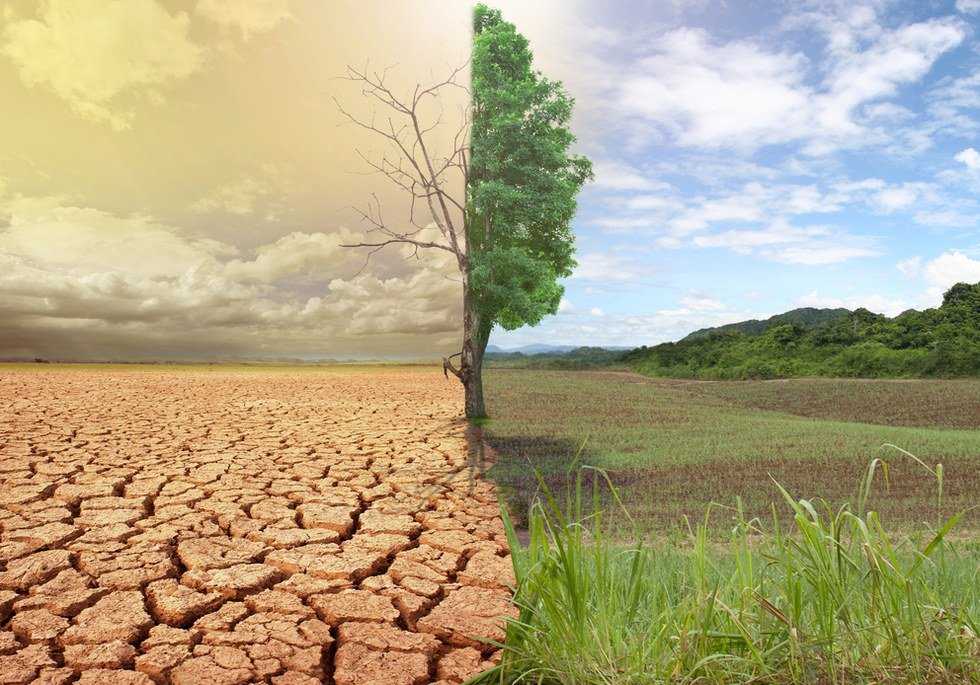
What happens if the Earth's average temperature increases? Environmental experts report that droughts, wildfires, rising sea levels, and animal extinctions are just the beginning of the negative effects. Not to mention the fact that if polar ice caps melt, the oceans will take over coastal cities and millions of people will be displaced. At the 2015 United Nations Climate Change Conference, President Barack Obama addressed the importance of dealing with these disasters.
"Climate change poses not only a medium and long-term threat, but it actually makes all other threats worse. When you start seeing major shifts in climate, that translates into droughts, floods, refugees, people who are displaced. It puts strains on every country, particularly poor countries, and that then aggravates the possibilities of war, conflict, and terrorism," the President said.
The environmental movement of addressing the planet's threats and protecting nature is linked to a range of moral concerns for how humans should exist in connection to the planet. By fighting against the dishonest regulatory processes and corrupted industrial business motives throughout communities, all levels of governmental regulations should be held to a higher standard to protect our planet for the future through cleaner technologies and better authoritarian monitoring.
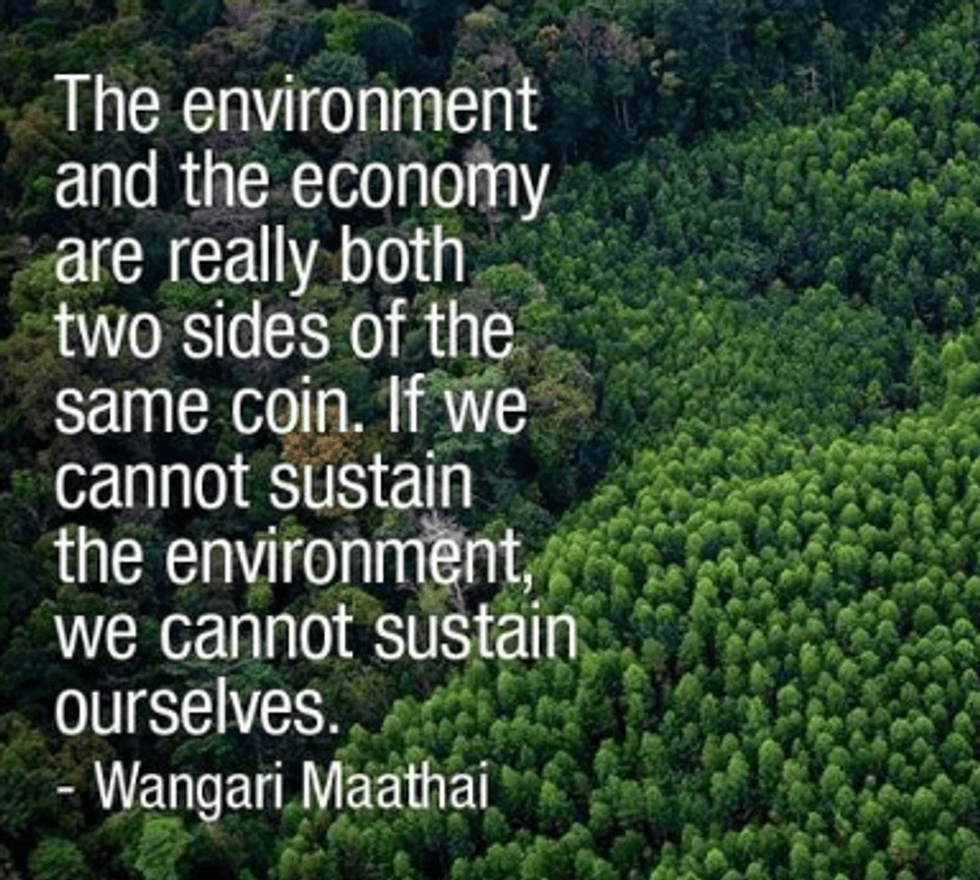
To be able to convince billions of people that there is a need for a dramatic shift from economic development to sustainable planning is clearly a task that cannot be manageable at the individual level. Environmental reform requires many activists and discussions to be addressed. However, the reality is that climate change is shifting Earth to be a drier and hotter area that humans and living things may not be able to survive on someday. By revitalizing the natural forces in connection to humanity, there is a chance to raise the basic problems facing the caretaking of the Earth. There is a need for citizen participation, open discussion, and a thought process behind the impact of development to place value on the Earth’s resources and ability to create a present and future safe habitat for all nonliving and living creatures. There is a lot of work to be done; yet there is hope. Humans need to make a change before it’s too late to reconnect all of nature.