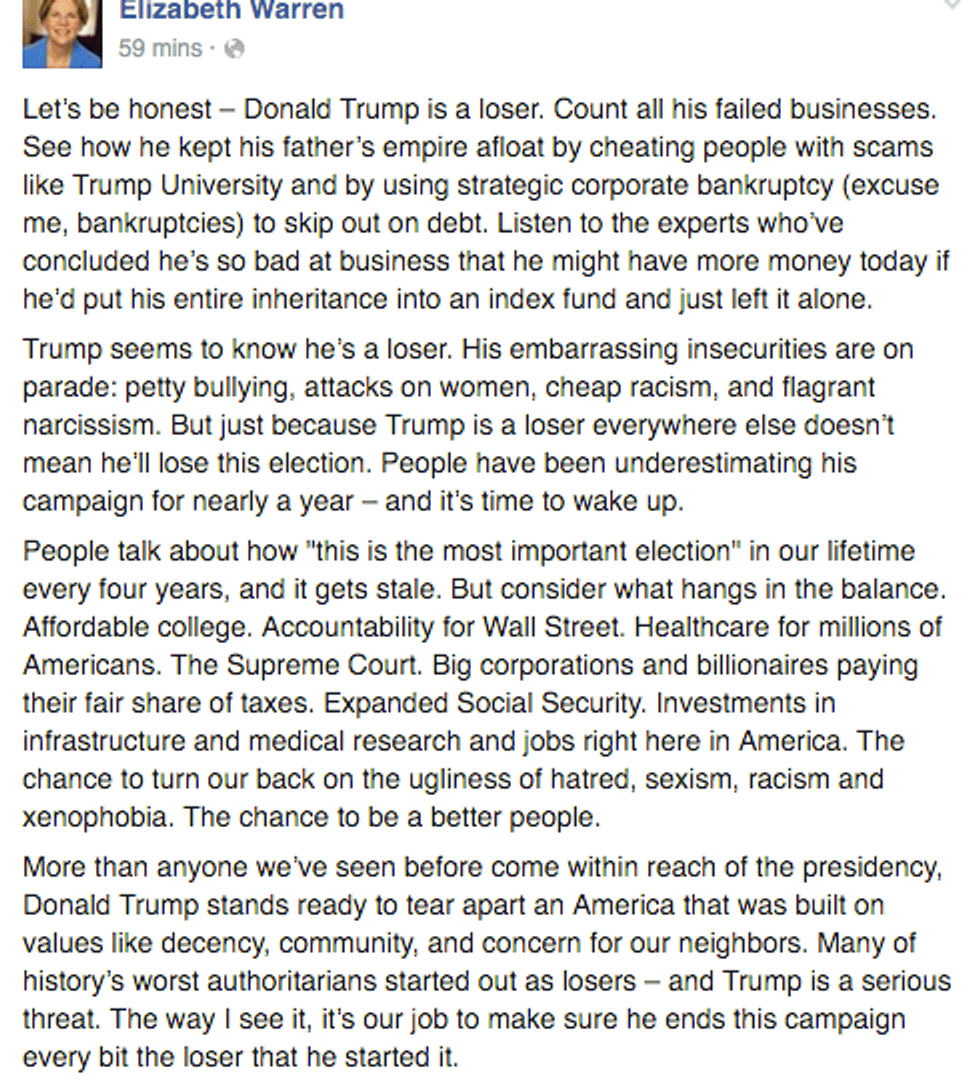
This past week, Hillary Clinton picked her vice presidential running mate, Virginia senator Tim Kaine. When the news first broke, I happened to have been attending a get-together with some friends. A friend of mine who was also there was disappointed in the fact that Clinton chose Kaine over other potential vice presidential running mate Elizabeth Warren. Within the liberal spectrum of politics, Massachusetts senator Elizabeth Warren has broadcasted several powerful political views in regards to Donald Trump and the current presidential race in general; leading her to become more ubiquitously known amongst fellow political figures, as well as the public eye.
Upon hearing my friends' disappointment in Clinton's final decision, it caught the attention of another friend of mine. Though he also didn't 100 percent agree with Clinton's running mate choice, he essentially replied with, "Some people who would otherwise want to vote for Clinton could possibly be scared off by two women on the same ticket. Clinton and anyone else who may have helped her in deciding were thinking ahead and knew that some people really aren't comfortable with having two women in office, let alone one." Though my friend and I were shocked at the point in which he made, statistically and historically, he wasn't lying.
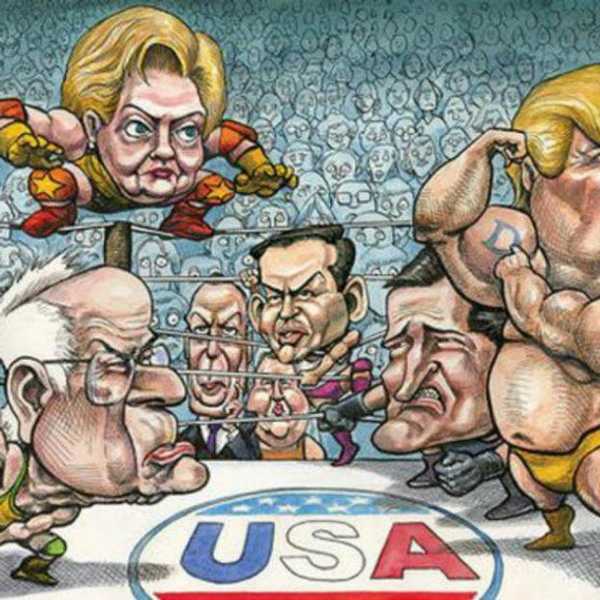
During the election of 2008, female political figures participating in politics took center stage in the media, and not exactly in the best way. When Hillary Clinton was the senator of New York, she ran against current President Barack Obama. Clinton was the first woman in history to be so close to being nominated as a political party's presidential candidate.
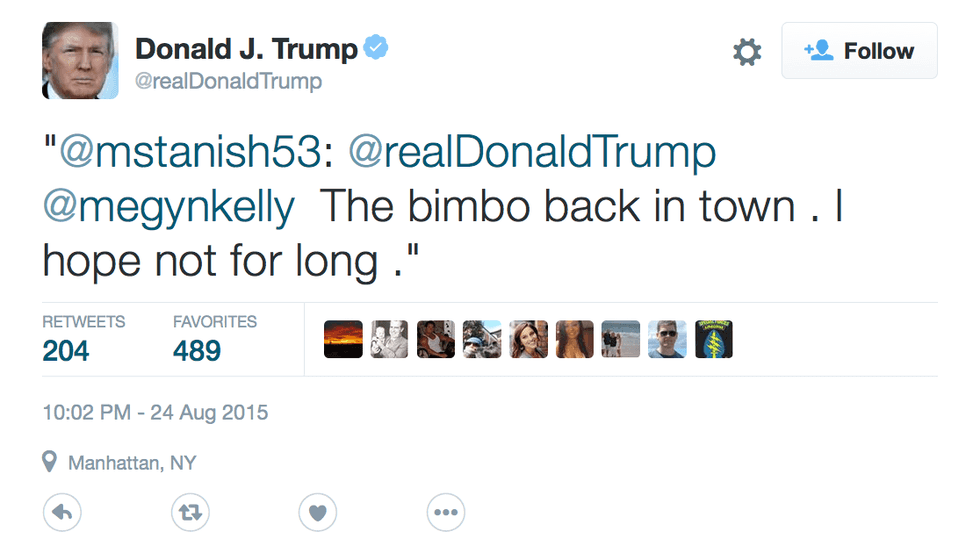
However, this label came with a price. During this process of history being made, critics and the media attacked and questioned Clinton for otherwise trivial things, such as her cleavage, choice in clothing and possible cosmetic surgery. The same types of attacks were shot at vice presidential nominee Sarah Palin, when she ran alongside John McCain in the same 2008 presidential election. In more recent times, Fox News reporter Megyn Kelly has undergone several offensive counts of unequal treatment, primarily at the hands of Donald Trump. During the August 6th Republican debate, Donald Trump's noticeable grotesque treatment towards women drove Kelly to ask him a question that was on most of the American peoples' minds, regardless of what political party they sided with:
"Mr. Trump, one of the things people love about you is you speak your mind and you don’t use a politician’s filter. However, that is not without its downsides, in particular, when it comes to women. You’ve called women you don’t like “fat pigs, dogs, slobs, and disgusting animals.” Your Twitter account … has several disparaging comments about women’s looks. You once told a contestant on Celebrity Apprentice it would be a pretty picture to see her on her knees. Does that sound to you like the temperament of a man we should elect as president, and how will you answer the charge from Hillary Clinton, who was likely to be the Democratic nominee, that you are part of the war on women?"
Trump's immaturity and lack of concern for the level of oppression that women in politics must endure does not just represent only Trump's mindset. In this scenario, Trump's reaction accurately represents the portion of the news media that will only publish and write about what a woman looks like or what she is wearing versus the words that are coming out of her mouth. When is the last time you have ever turned on the television to a news outlet talking about a male politician's choice in suit during a speech, or the fact that he has perhaps gained some weight recently? These observations towards men are quite rare. If these kinds of comments and attacks aren't made towards men, why are they made towards women so nonchalantly and frequently? The media's inaccurate coverage of female political figures only further illustrates society's fear and insecurity over women actually holding powerful positions in this country. That level of ignorance and sexism gets us absolutely nowhere.
It wasn't until 1920 that women could vote; it wasn't until 1981 that a U.S. President named their first female Supreme Court justice; and it wasn't until 1996 that the United States' first female Secretary of State was appointed. These are inspiring political milestones for women, and they should not go ignored. These events in history represent the victories that individual and significant women have won, such as Susan B. Anthony, for all women after them. However, in present times, if it is instilled within the American people that an all-female democratic ticket could mean trouble somehow, then this signifies that there is still a battle that needs to be fought. Sexism and the thought of women holding such high authority in office should not be a casual side-conversation. As a woman myself, a society that can coexist with casual sexism is not a society in which I can comfortably be apart of and contribute to.