There is much debate in the industry these days over the use of digital versus celluloid film. Although I think it’s safe to say that digital is here to stay, I personally doubt the veracity of it becoming the industry standard. Hollywood is slow to change; they are still using the same script format that was developed in the 20’s. This is to their advantage as their ability to keep the industry standardized does keep the massive workflow in check. However, it may have cost them many great storytellers who could never quite nail down the industry standard.
History
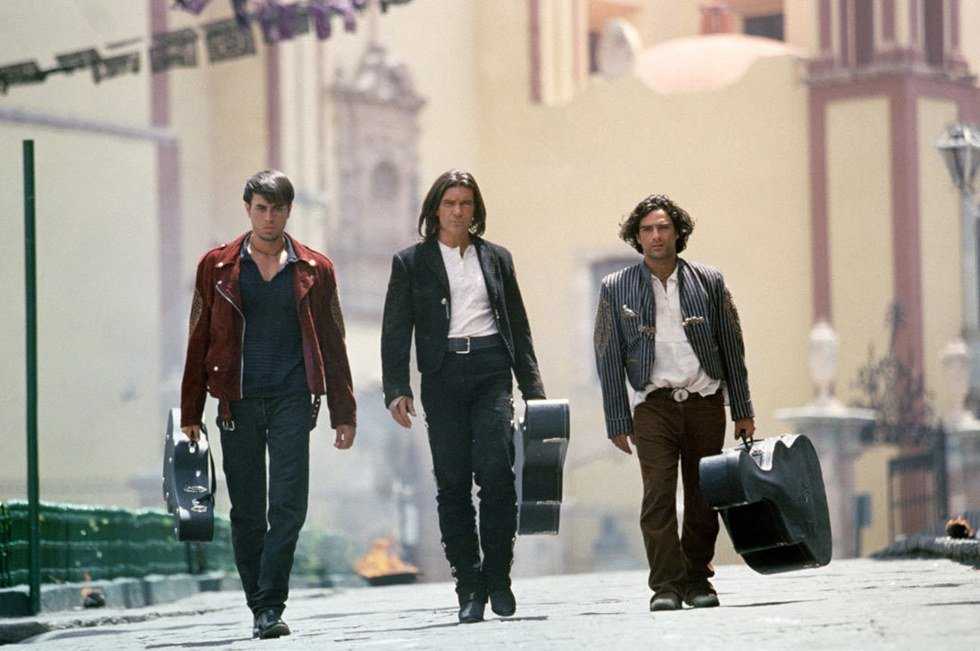
Enter digital film, in 1975, the first digital camera was invented by Steve Sasson of Kodak. It took 23 seconds to take a 0.01-megapixel picture which the eight-pound camera recorded to cassette tapes (Zhang). Digital cinematography, although quickly following in the 80s it did not take hold until the early 2000s with George Lucas use of the Sony HDW-F900 camera. Robert Rodriguez was the first to use the camera to shoot a “Hollywood” film "Once Upon A Time in Mexico" (Robert Rodriguez, 2003) (McKernan).
Advantages
Digital cinematography has made many advances over the past decade. With the invention of the HD camera, and digital editing software drastically dropping in price, the monetary advantages are clear. The average person with a moderate budget is now able to film in a style that the common man would perceive as indistinguishable from Hollywood style. This is where the primary advantage as I see comes into play. Young and inexperienced filmmakers can now tell their stories at an affordable price. This allows for Hollywood to see the new talent expressed without having to conform to a style that may be difficult for some to grasp, as I said in my earlier comment about script format. A talented filmmaker can now be discovered without having to make the common route of film school, intern, and personal assistant before ever getting to show their skills. Digital cinematography has changed the industry forever.
Let's talk business
Even if you have no desire to make a large film and only want to do small indie projects, it is still going to cost a great deal of money, and time to make such a film. Time is a valuable asset. Most of us cannot maintain full-time jobs, and work in film for free. We find ourselves torn between responsibility, and doing what we love. Which is why we need to be continually appreciative of the people who support us as we create our artistic masterpieces.
That being said, let’s take a look at the dollars and cents of the film industry. It is a commonly held belief by many that cinema is struggling financially. Yet, when you are operating in an industry that is bringing in $36 billion dollars in a year, it is hard to say that they are actually struggling. The United States and Canada alone are responsible for 10.4 billion, that’s nearly one-third, of those 36 billion dollars. Granted I will concede that the American box office did dip by half a billion in 2014. However, there can be any number of reasons for this dip, and the global market did grow, especially in China. In 2014, China became the first international market to exceed 4 billion dollars in revenue. Overall the market is up by almost 5 billion dollars in the past five years (MPAA).
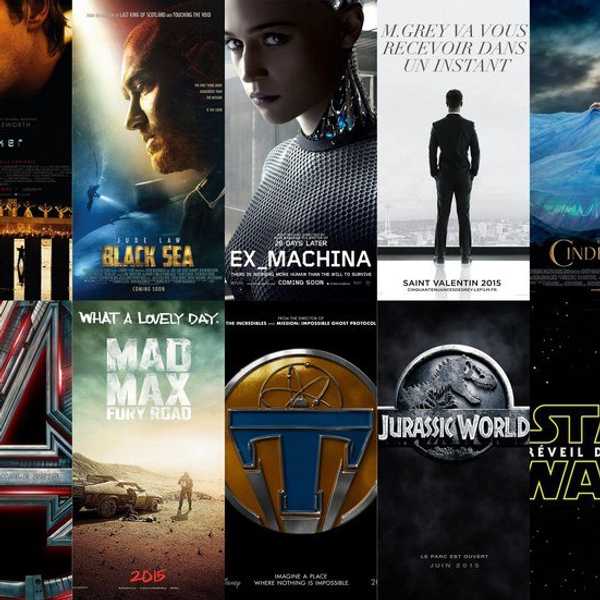
For all the negative talk we need to address the fact that 2015 may be the biggest year in movies yet. We have broken a number of records this year, and "Star Wars: The Force Awakens" (J.J. Abrams, 2015) may break even more in 2016. "Jurassic World" (Colin Trevorrow, 2015) became the fastest movie to break 1 billion dollars, shattering the record set by "Furious 7" (James Wan, 2015) a mere two months prior. "Avengers: Age of Ultron" (Joss Whedon, 2015) also experienced substantial returns. Pixar once again struck gold with "Inside Out" (Pete Docter, Ronnie Del Carmen, 2015) joining the top three highest grossing Pixar films before it was even released in China.
Even with 2015 shaping up to be a bang out the year, it is important to note that the industry is still in a time of substantial flux. The economy is still hurting and a number of people are choosing to stay home with digital released original content on platforms such as Netflix, and Amazon Prime. Some studios have embraced this trend by releasing their films to on-demand outlets the same day as their theatrical release. This could be the much-needed shift the industry needs to maintain their profits.
There are some who remain resistant to the changes. Quentin Tarantino is making a return to 70mm film with the release of his long-awaited "Hateful Eight" (Quentin Tarantino , 2015)(Tepley). Tarantino has been one of the greatest opponents of the change to digital film formats. He even quipped that if digitally is so much cheaper, tickets should be reducing in price. Personally, I feel this oversimplifies the economic factors that play into ticket pricing.In an industry that has already become quite expensive to sustain, any way to save money is seen as a welcome addition to many and do help ticket prices from rising even more than they already have.
There are many others resistant to the change to digital film — Scorsese, Nolan, Spielberg, just to name a few are still using traditional film. Some might say there is a reason for this, but it is important to remember that we lost many good performers and filmmakers when the changeover to talkies, or color was resisted. Film, being an industry that constantly changes is nothing new, and will continue, no matter who resists it.If you look at the highest grossing films of last year: "Guardians Of The Galaxy" (James Gunn, 2014), "Captain America: The Winter Solider" (Anthony Russo, Joe Russo, 2014), "The Lego Movie" (Phil Lord, Christopher Miller, 2014), "Transformers: Age of Extinction" (Michael Bay, 2014), and "The Hunger Games: Mockingjay Part 1" (Francis Lawrence, 2014) were all filmed primarily on digital formats. And for better or worse film is a business.
Next Week:
I'll be moving away from film industry topics and into something much more fun. A topic that has been on my mind a lot lately is one of masculinity, how it pertains to the modern man, where have good men gone, and why it may be so difficult to find them. I hope you will enjoy my next series of articles in the coming weeks.
Sources
McKernan, Brian, and Bob Zahn. "A Digital Desperado." Robert Rodriguez: Interviews. Comp. Zachary Ingle. Jackson: U of Mississippi, 2012. 75-82. Print.
Zhang, Michael. "The World’s First Digital Camera by Kodak and Steve Sasson." PetaPixil. 5 Aug. 2010. Web. 20 Sept. 2015.
MPAA Theatrical Market Statistics 2014
Tepley, Kristopher. "Quentin Tarantino Says He Cut Two Different Versions of 'The Hateful Eight' (EXCLUSIVE)." Variety. Variety Media LLC, 12 Oct. 2015. Web. 18 Nov. 2015.