Drugs. Drugs drugs drugs drugs drugs. DRUGS. It sounds weird if you say it a lot, but this little word has many negative connotations in our society. We started a war on them in the '70s in an effort to "save the public," and also maybe allow the government to arrest millions of African Americans. But whatever the reason, it has left a mark on Americans and the idea of what a drug is.
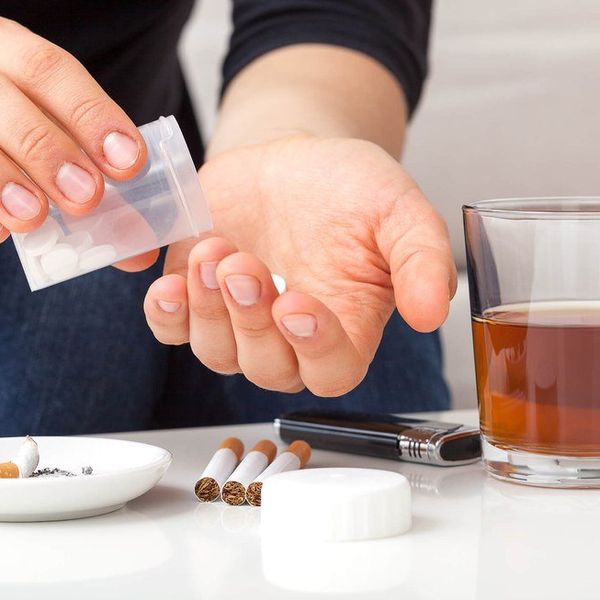
What commonly comes to mind are pharmaceuticals like marijuana, heroin, cigarettes, meth, etc. Whether a drug does something "good," or "bad," people often agree with the idea that they are overall negative things; things open to abuse and misuse. I would disagree with all of these, and would say our idea of what drugs are is far too narrow.
The effects of marijuana are often described as relaxing, elating and euphoric among others. But couldn't you also say the same about your favorite song? When someone drinks every day after work, we call them an alcoholic, but listening to a song every day just means you enjoy it. Here's the thing, though, music is a drug and not just music; paintings, literature, love, these things and our enjoyment of them is as chemical as shooting up. One definition of drugs is, "A substance other than food intended to affect the structure or function of the body." Our definition of drugs is accurate, but our perception of them is not.
Oreos were found out to be as addictive as cocaine a few years ago, but you can still see them on the shelves and in kid's lunches. Why do we excuse the addictive nature of sugar and yet vilify the same chemical reactions in the "drug?" We're told drugs are bad simply for the fact that they are illegal or are perceived as evil. In reality, the only difference between them is government regulation. Since these drugs are illegal, they are pursued for their taboo nature, making users much more susceptible to overuse and addiction.
Not only that, but their quality varies wildly from clean and concentrated to diluted and impure. If Oreos were illegal, we'd find people selling dirty bags of cookies on street corners to people looking for an Oreo binge. If we change our minds to the idea of "good' and "bad" drugs, we can help stop misuse and understand that all drugs have power, whether it be sugar or weed.
This education of drugs shouldn't just stop at candy and street drugs, but to prescribed pharmaceuticals as well. There is a growing opioid epidemic in the United States, and it's not because heroin is becoming popular. Misconceptions on "safe drugs" make people believe the opioids and methamphetamines prescribed to them are somehow better than their illegal counterparts. This leads to the idea that taking larger doses is OK since you have doctor's permission to use these medications. Often people find themselves becoming addicted while prescribed and searching for alternatives when not. This lack of education mixed with the illegal nature of the street opioids means people get hooked legally and fuel their addiction illegally. Making heroin legal won't be enough alone unless we change our idea of what drugs are.
Once we understand that music is as potent as weed and literature can be prescribed, the stigma and taboo of street drugs disappear. We have to be open to the conversation of what can affect our mind and what a safe dosage is. Removing the stigma behind the word "drugs" allows us to help those that would otherwise be turned away or arrested for their addiction. No one wants to live their life hooked on addictive substances. Becoming more educated and comfortable with mind altering objects, no matter if its coffee, beer or Beethoven, will help our present and our future.