
Political correctness seems to be the enemy of many conservatives right now. Critics of President Obama often attribute political correctness as to why he is being "soft" on terror by refusing to say "Radical Islam," and the reason why many people think that this generation is becoming too sensitive.

But what specifically constitutes being politically correct, and what about political correctness is so unpopular? I decided to search the meaning of the term to find out.
This is the definition of political correctness provided by Google:
"The avoidance, often considered as taken to extremes, of forms of expression or action that are perceived to exclude, marginalize, or insult groups of people who are socially disadvantaged or discriminated against."
To put things into simpler terms, political correctness is the voluntary decision to speak in a way that treats people with respect, even though it can at times be taken too far. If phrased like this, it would seem like political correctness would be a much more appealing idea. But to many, it's very unappealing.
Political Correctness' Backlash
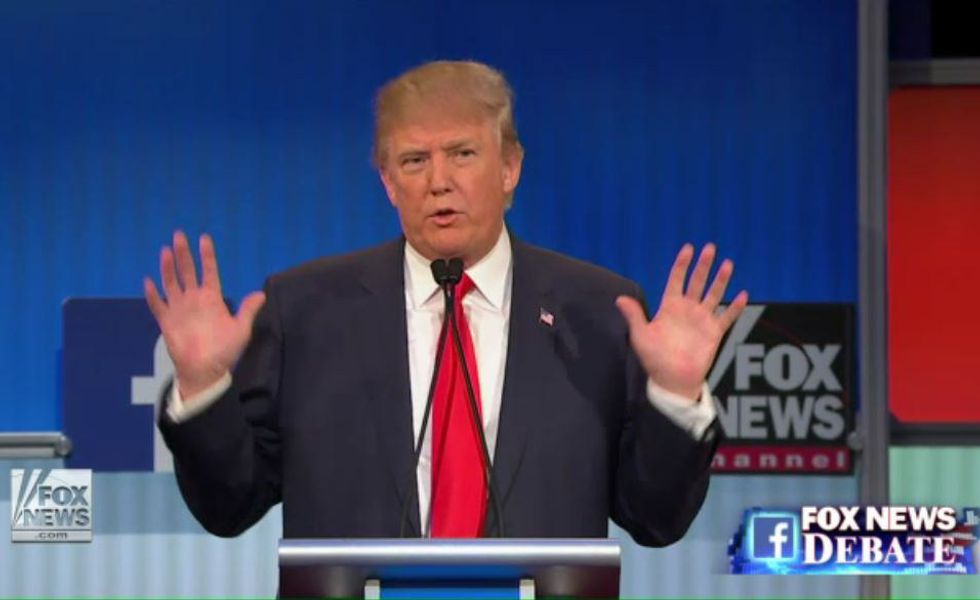
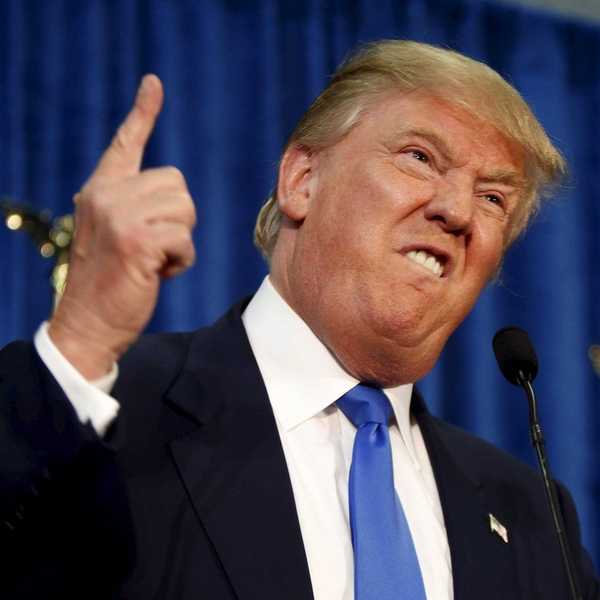
Criticism against political correctness has gained popularity among candidates for political office. Republican Presidential frontrunner Donald Trump condemned political correctness in the first Republican Primary debate, stating, "I think the big problem this country has is being politically correct. I’ve been challenged by so many people and I don’t, frankly, have time for total political correctness. And to be honest with you, this country doesn’t have time, either."
Trump isn't the only candidate who's been critical of political correctness. Dr. Ben Carson took his concerns a step further, attributing drug addiction to political correctness by saying, "There are all kinds of addictions and addictions occur in people who are vulnerable who are lacking something in their lives, so we really have to start asking ourselves what have we taken outside of our lives in America? What are some of those values and principles that allowed us to ascend the ladder of success so rapidly to the pinnacle of the world and the highest pinnacle anyone else had ever reached, and why are we throwing away all of our values and principles for the sake of political correctness?"
But the distaste doesn't end with politicians. Social media posts on websites such as Twitter have also shown resistance against the idea of political correctness, and how they think it makes people too sensitive.
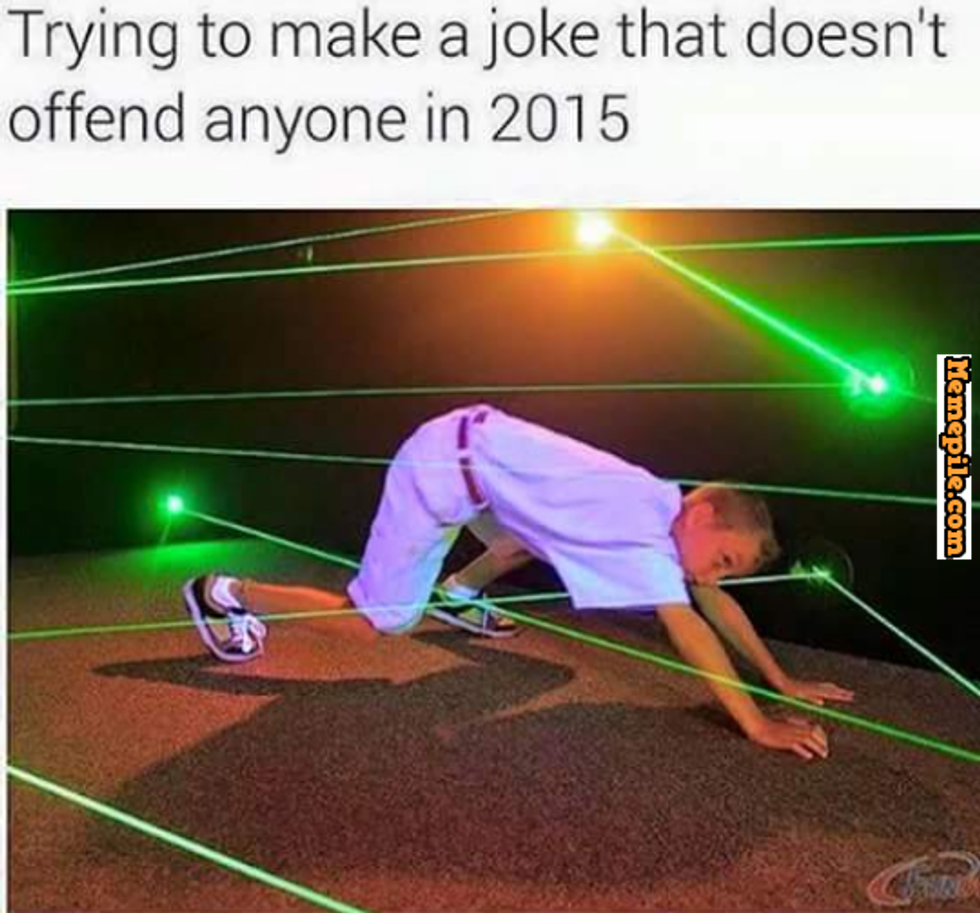
Every objection to political correctness seems to have two things in thing in common: One, people want to be more straightforward rather than sugarcoat issues (President Obama's hesitancy to use the phrase "radical Islam" to attribute acts of terror from jihadist groups). And two, people don't like to be criticized for saying the things they say.

Here's why political correctness is so controversial. Opponents and proponents of PC are misinterpreting what it is and what it was meant for.
Yes, political correctness is speaking in a way that respects people and their differences more, but it was never meant to replace words to the point where a description wouldn't be accurate. For example, if President Obama decided to use the phrase "radical Islam" regarding a jihadist group with a distorted view of the Muslim faith, that would still be politically correct! As long as the word "radical" is included when addressing those groups, and it ensures that we acknowledge that radicals do not represent mainstream Muslims, it's politically correct. Just like it's politically correct to call the Planned Parenthood shooter a radical Christian terrorist. He was for sure a radical, and he does not by any means represent Christianity or its followers.
Another example of irritation that opponents of PC have is when people insist that it is offensive to use the word "black" to describe African Americans. This is actually an area where many proponents of PC get the meaning of PC all wrong. Saying black is politically correct. This is because not all black people in the United States have African roots. Some have roots from Caribbean countries like Jamaica or the Dominican Republic. Others have family history in South American countries like Guyana. So to opponents of PC, keep saying black, you're supporting political correctness this way.
Those who disagree with PC have a reasonable explanation for doing so, but it's based on misconceptions.

Here's why I'm defending the true idea of PC. It's not an infringement of the First Amendment, and there's nothing wrong with respecting others.
The first amendment guarantees our right to express ourselves freely without the government persecuting us. PC is a voluntary decision, not a mandate. People aren't forced to be politically correct, they're just encouraged to, by average everyday citizens.

The idea that we should stop using words like "retard" to describe people who are in special ed, or "that's so gay" to describe something that isn't cool to us, is from political correctness. What's wrong with that exactly? What is wrong with speaking in a way that doesn't disrespect marginalized groups that deal with certain struggles? I haven't found anything wrong with it, and I certainly have no problem changing a few words in my vocabulary if it means being more respectful to the people around me. It's not pandering. It's not censoring. It's being an adult.
Opponents of PC often ask why do people get more offended nowadays, why can't they just be less sensitive? My question to them is why can't you just show respect?