



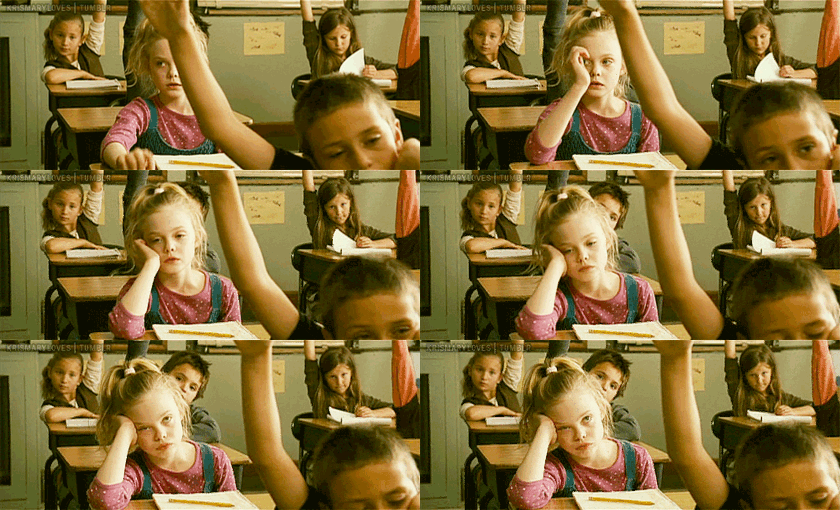
Since middle school English class, we were taught that there are numerous ways to interpret literature. We slaved over each line, each sentence, and each paragraph. Your reading of a text can be completely different to someone else's, as well as to the way the author meant for it to be read. Thus, we attempt to consider all sides of the story.
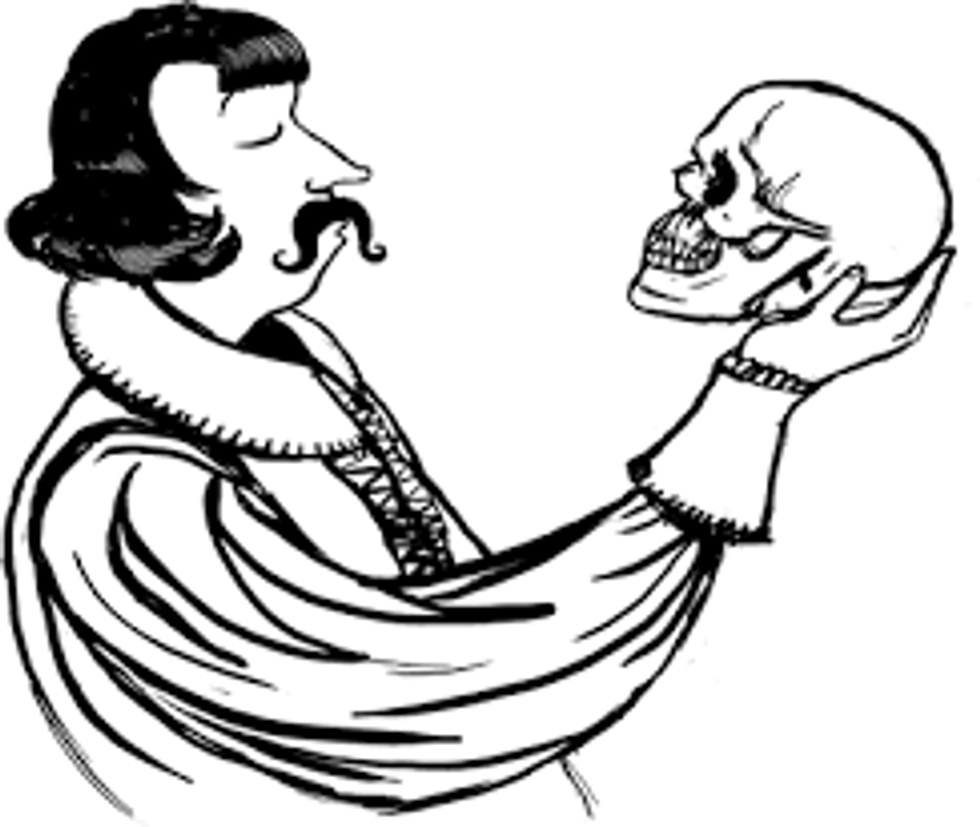
Unfortunately, this desire—and occasional obsession— to see things from all sides applies to real life situations as well, especially with past events. Hindsight is torturous. After a situation, we sometimes catch ourselves replaying the situation over and over and over again. We try to analyze every single word, facial expression, and occasionally pretend to be body language experts. We plague ourselves with the same set of questions that usually pertain to the “why" and “how" of the situation. Unfortunately the answers to real-life situations are not always as simple as “to be" or “not to be".
Though important to understand the larger meaning of a text, we were regularly get absorbed in analyzing at the sentence level. We are lost in the details. It is here we believe we can find the means and reason of the book's ending. Who is to blame? Why did he/she do it? How did it happen? Often, we come to different answers each time we ask these questions. When trying to answer these questions takes a substantial amount of brainpower or even emotional distress, perhaps there is no concrete answer.
Although it is often difficult to accept, sometimes things simply happen. When things appear to fall due to bad timing, or other circumstantial reasons, it is rational to assume that it was merely due to fate. Acknowledging the possibility that things sometimes happen with no explanation at all could provide us with acceptable answers to “how" and “why" the situation happened.
Providing alternative endings to books saves readers the displeasure of being stuck with only one ending. Similarly, our choices determine the outcome of a situation. Hindsight's biggest weapon is its ability to torment us with just two short words: what if. This lethal combination of words provide us with imaginations wild enough to create a plethora of hypothetical outcomes if only we could change one word that what was said, or one action done. What if we had swallowed our pride? What if we had apologized? What if. What if…
Indeed, it is possible that one microscopic detail could have changed the outcome entirely. But with hindsight, no matter the magnitude of the cause, the effect is fixed. It happened. However, similar to embracing the fact that things sometimes happen without reason, accepting that we cannot change what happened in the past can give us peace—and perhaps a small piece—of mind.
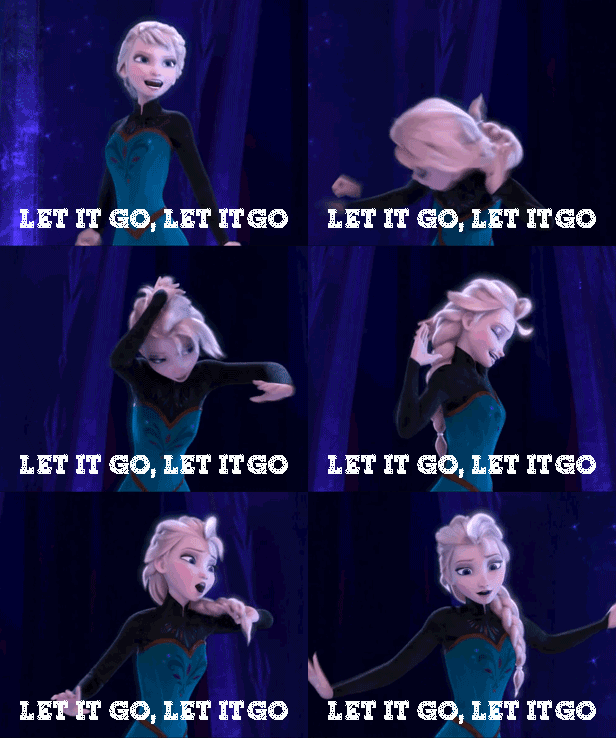
We can only agonize over the small details of a situation for so long until it begins to drive us mad. Let it go. There is a difference between seeking to understand a situation and obsessing over it.

















