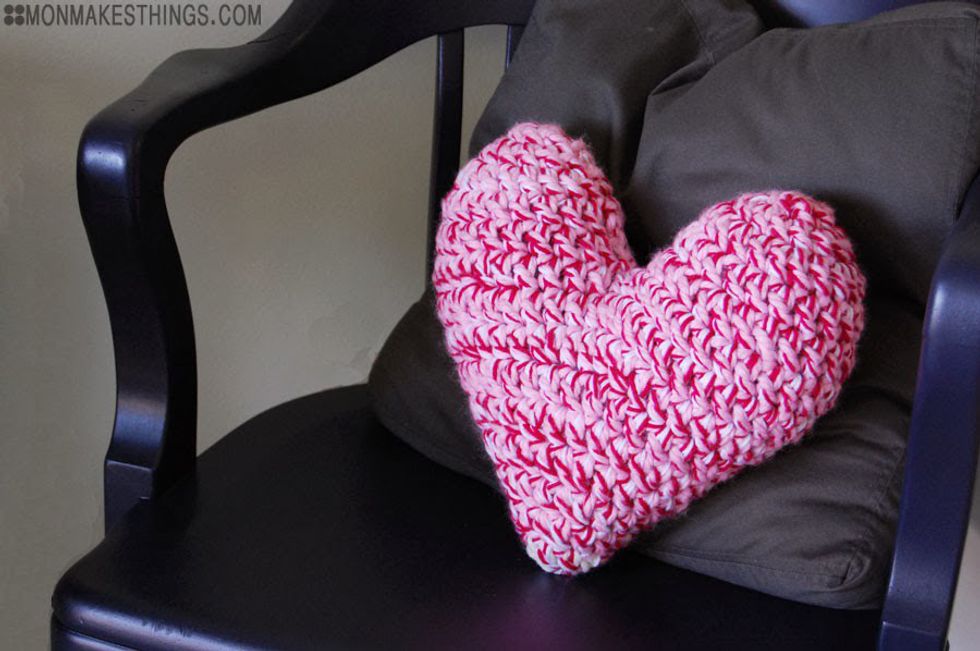
When I went home to visit my family last summer, I was on the usual visit to my grandmother’s house. She casually told me that she had gotten together a box of my stuff from childhood and crocheted me a baby blanket for when that time came, and I could find it in the guest bedroom when she died. I thought she was being melodramatic. She was gone two months later.
Her decline started with a fall; she had picked up my little cousin from middle school and taken him to Wendy’s to get a snack and broke her wrist and jaw on the curb. He didn’t have a phone at the time, and had to take on the responsibility of staying with her, finding a phone and calling paramedics. She went home pretty shortly thereafter, but had a lot of trouble getting around and with bleeding from the site of trauma. Still, she made every effort to maintain her independence in the mobile home she had lived in by herself since my grandfather died unexpectedly seven years prior. It came to light that she had lost her balance during the night one night and slept on the floor because she didn’t want to bother anybody. She played piano at the funeral for my kindergarten teacher who passed away in a car accident just shortly before we had to schedule a funeral for her.
My family took her to the doctor to be admitted into the hospital for rehabilitation, but she never got to come home again. I was anxious and terrified that I wouldn’t get back to Georgia in time to see her alive. I FaceTimed with her a few times while she was in the hospital and in good spirits, but those good spirits soon turned to organ failure and feeding tube insertion, which soon turned to inability to speak and loss of consciousness. I sat on my New Orleans couch in hysterics, trying to summarize a goodbye to someone so instrumental to my childhood and the person I am today the best I could over the phone. My grandmother kept holding on. A few days later, I went to the airport on standby, got the very last seat on a plane to Atlanta, spent over an hour in the car with my dad and arrived at the hospital to witness what everyone had been describing to me. She looked so frail, like a skeletal shell, and she was struggling to breathe. Guests arrived all through the hours of that evening, and she was just somewhere else as they entered and exited. It wasn’t until one of the nurses’ aides came in to tell her goodbye that she woke up. She woke up and saw me and spoke to me and knew I was there. She thanked me, and I thanked her. I told her I loved her, and she told me she loved me. We had one last hug and kiss, and then she slipped out of consciousness again. I went to my healthy grandmother's house and went to bed, and got a call that she had gone about eight hours later. I truly believe that my being there gave her peace and knowledge that it was OK to go. I miss her every moment.
Something that I learned from that experience is how the death of someone close can bring out negativity in people. I have observed how some people interpret and use the wishes of the deceased as a way to exercise power over others, and it is a shameful and miserable thing. No one person’s grief is more valid than that of another. No child or grandchild was loved or appreciated by the deceased more than another. We all cope with death in different ways, and when we are denied emotional support from others who are grieving the same person, especially our family, that hurts. When we are labeled hurtfully, that is not only detrimental to our upheld ideals of those people as well as our self-esteem; it is just unnecessary.