
TRIGGER WARNING
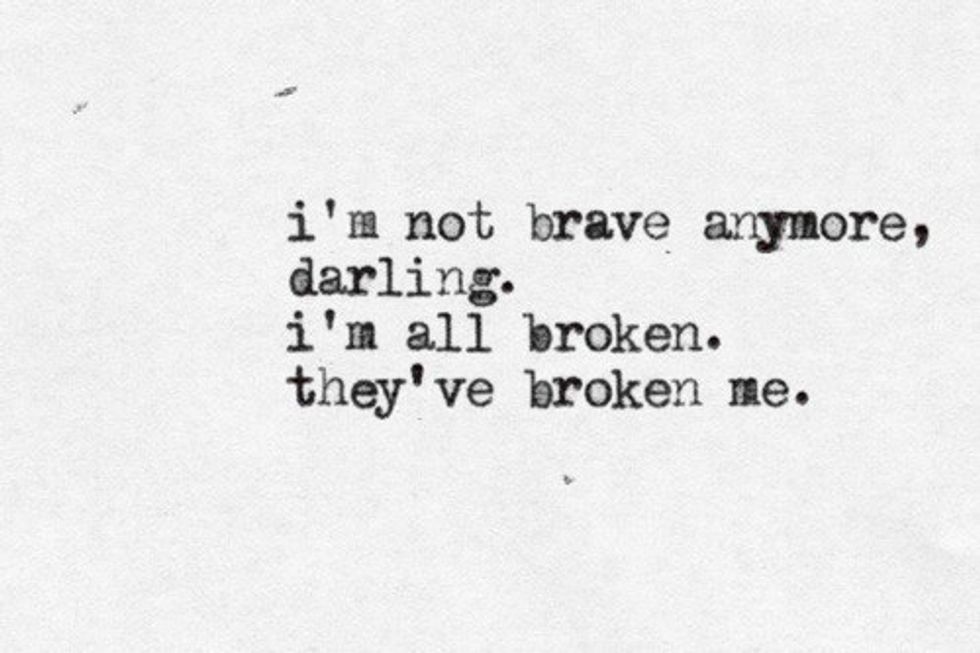
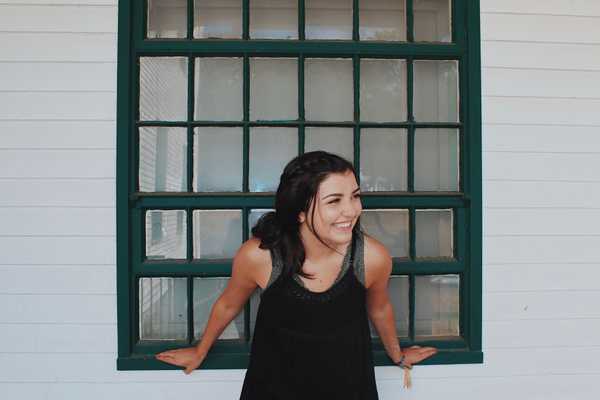
(Image from Relatably.com)
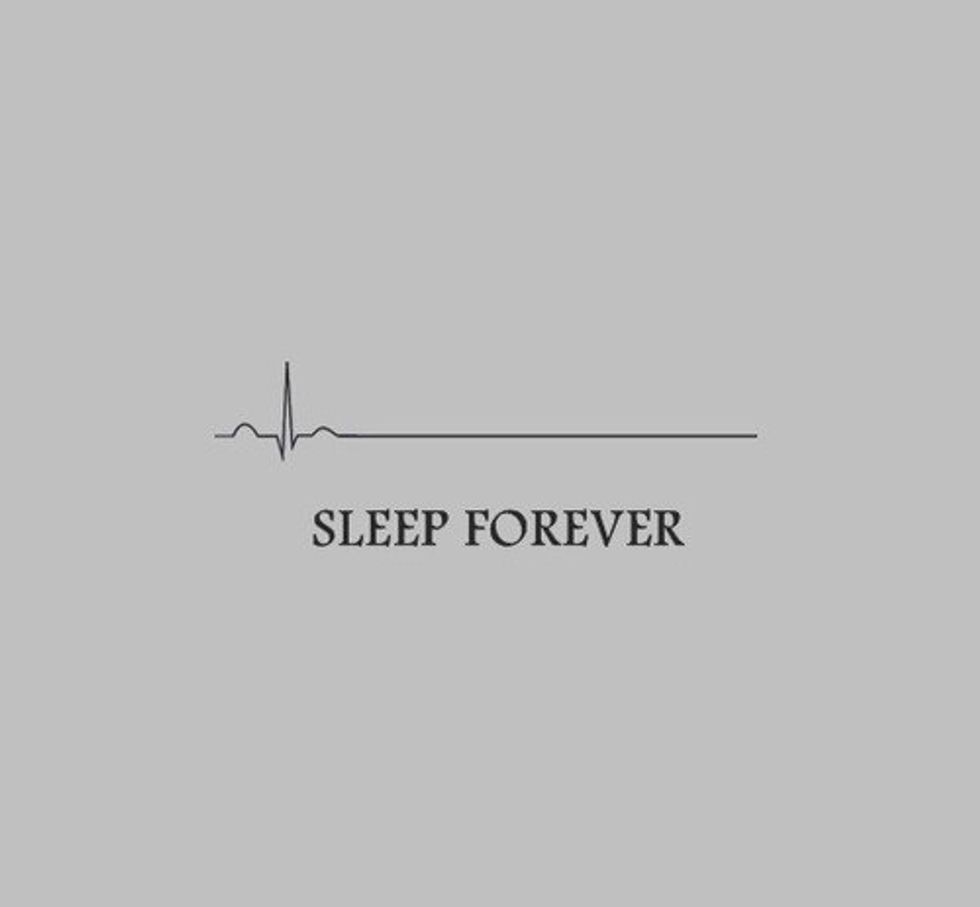
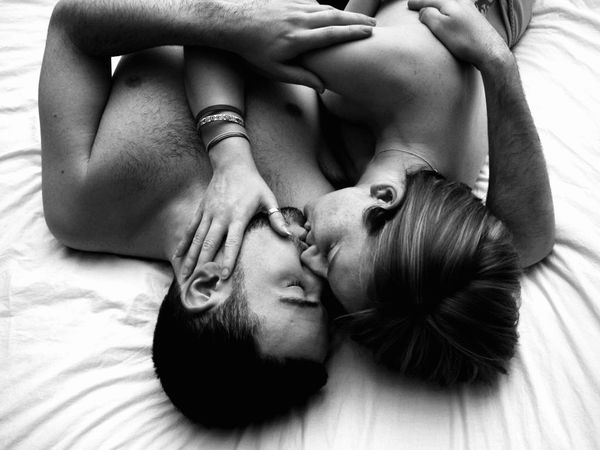
(Image from WeHeartIt.com)
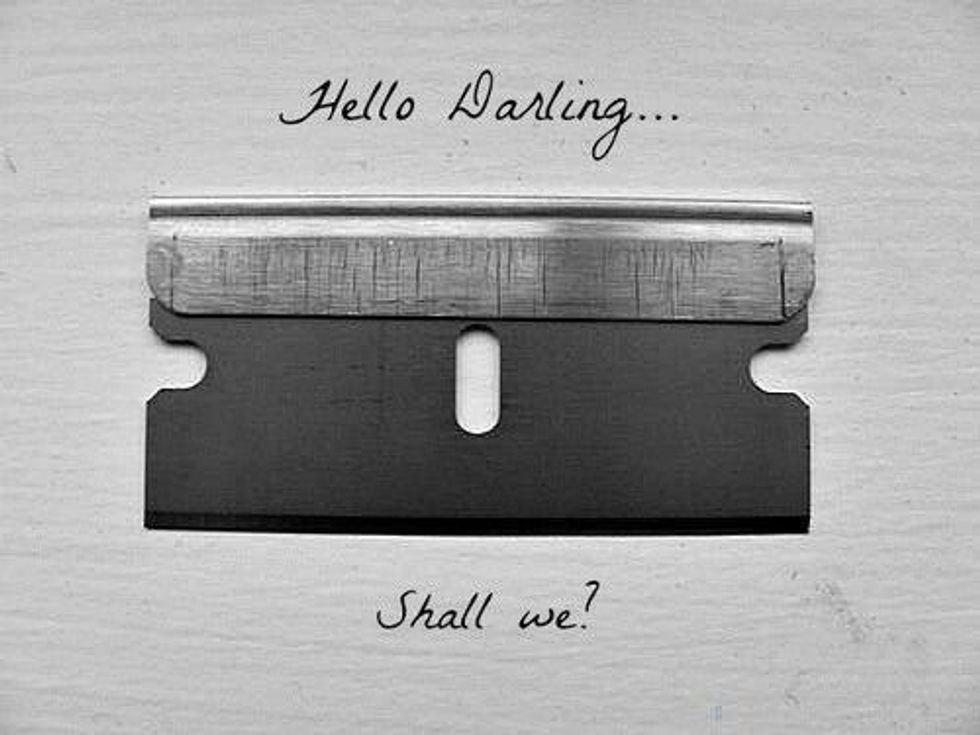
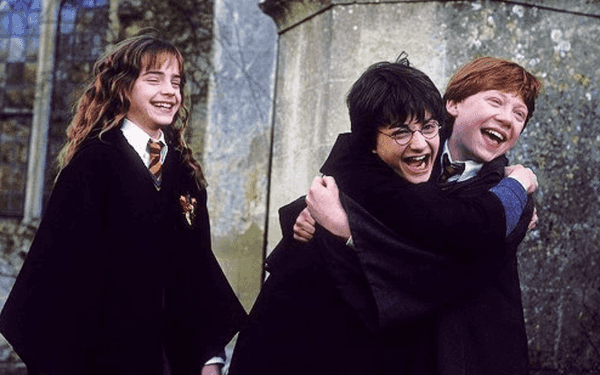
(Image from Favim.com)
What are these spurts of black and white images, labeled with alluringly "beautiful quotes"? It is more than just an amalgamation of nonsense or a desperate cry for help. This combination of text, color, lighting, and image may have had a much more powerful impact than the creator or receiver could’ve expected it to have.
According to the article, We Need To Stop Romanticizing Mental Illness, this revolution came from what once was a form of de-stigmatizing mental illness and allowing it to be a subject that is no longer shunned or kept behind closed doors. What it has done now, is quite literally blown open the door. Images like the ones above have nearly taken over the same ritualistic pattern that memes do, attaching quotes plastered in the similar fonts with what appears to be a questionable use of punctuation and capitalization.
A study done by Scholastic, titled Peer Pressure: Its Influence on Teens and Decision Making states that simply the use of someone else’s voice can so easily affect your opinion on subjects you thought you already had a strong opinion about. This study uses the example of a boy stating his thoughts on a video game, only to be quickly shot down by all of his friends. Not wanting to make an issue or make the damage worse, the boy silently agrees. This problem is not only apparent in the real world. What leads to the danger of internet persuasiveness is that the words don't come out of the voice of a friend, enemy, or family member; you read the lines in your own voice and experience the image through your eyes alone.
The danger lies in that we have attached phrases to these images like “beautiful sadness.” It is one thing to promote the acceptance of an open discussion about mental illness and sadness, it is another to promote the feeling itself, to glamorize it, or to cherish it.