

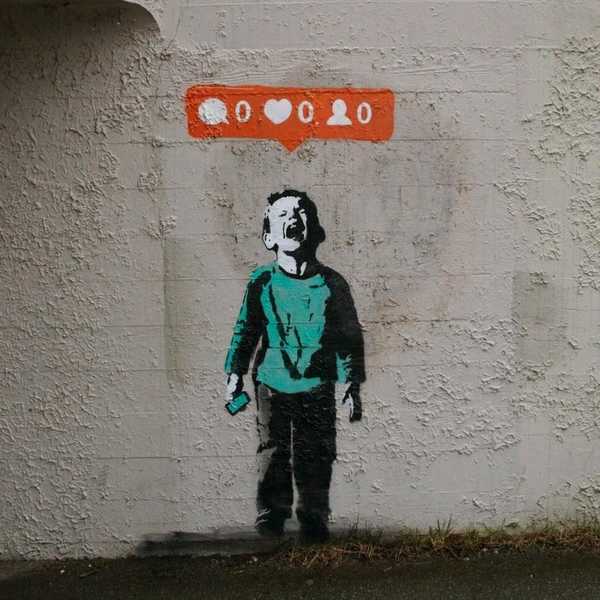

I have a bone to pick with the internet. Not the whole thing, I dig parts of it. Heck, I spend most of my day on parts of it. I'm on it "write" now, typing this out, but it isn't all roses.
I have a very specific dislike of relatable content. That last sentence is a ridiculous thing to say, because the only reason anybody would be engaged with anything ever is if they can relate to it on some level. I'm not targeting universality, I'm targeting content on the internet designed to relate to a large, but very specific audience.
Have you ever been scrolling through your Facebook feed, only to find one of your friends shared an article titled, "25 Things Only People With Younger Sisters Understand?" Did you click on that link? Why or why not?
I argue that someone only clicks on that link if they have younger sisters. It makes sense, doesn't it? If someone has younger sisters, then this article is for them, and if they don't have younger sisters, such as myself, the article is for someone else. People without younger sisters would benefit more from moving on.
I think that's the problem with relatable content. By the time I do or do not click the article, I've either decided the article is meaningless to me or I have agreed to its terms. To not agree to the terms of the article while the article specifically picks me as the target audience would make my identity meaningless by the writer's definition. On the other hand, if the article is meaningless to me, I gain no new understanding of other people's identities or stories because I don't bother with it.
The problem is double-edged. On one side of the sword, you have the issue of what this writing is for. Most everyone I know was taught that writing takes on one of three forms: Persuasive, informative or entertaining. Relatable content can't be persuasive, or at least isn't often used to persuade people. I have yet to see an article or listicle who set out to tell me all the secrets about having younger sisters in order to get me to have a younger sister. It's even less informative, since the target's life (to some degree) revolves around the subject matter.
Is it entertainment then? It must be, if it's nothing else. The feeling of entertainment in these pieces does not come from the work themselves (not to discredit writers who work in this medium, who can show great voice and skill in their craft) but from the feeling that the reader was right about themselves and they are indeed the older sibling of a younger sister.
I call this form of entertainment identity reinforcement, where all that is gained from the piece is a little more confidence in who someone already thought they were. It targets a very narrow demographic of people who have already agreed to its terms and leaves out everyone else, sometimes people within the group it originally targets, to make the content as relatable to these specific people as possible.
This brings me to the second edge of the sword, all of that comes at the expense of the writer. In fact, the writer is all but irrelevant in this kind of writing. These content creators have to take their identity, cut away everything but a single topic, reduce that topic to its barest elements, and then write something that no one can really argue with or question. Every member of the target audience already knows everything that happens in the article, they live through it every week, maybe even every day. The article is purely for the benefit of that audience.
And then things get weird, because it turns out a lot of folks are a lot alike in that demographic, and the writing is just broad enough that that demographic, though specific (people with younger sisters) is huge. The content goes viral, people are sharing the article non-stop with "Me," written in statuses and tweets. The writer's reduction of their identity paid off, their creation is appreciated, and they can smile.
Except, often times, the writer doesn't benefit as much from their creation as someone else: their publisher. The publisher really likes this kind of content because it's uncontroversial and it brings oodles of new readers to their site, their business grows, they give the writer a little money, and everyone is happy. Nothing wrong with that.
And then it happens again.
And again.
And again.
And the publisher realizes that they can keep growing with every new one of these articles, and that everyone has something they do, some sort of identity. Putting two and two together, the publisher can now shotgun recruit writers, who all pump out content. Every now and again, something makes it big. The business grows, the audience is happy, and the writer makes a little money.
At this point, the website is filled to the brim with absolute trash, the company is too large to actually keep track of all its writers or respond to their needs, and it really doesn't matter what any one writer publishes one week because plenty of others will be publishing something else and maybe it'll get big. Just make the website hard to navigate and most of the trash is swept under the rug anyway.
Some idealist part of me likes to think that writing is about making opinions matter to someone else, or inform them of ideas, or make them feel things that they didn't expect to feel today. Maybe self-affirmation is one of those things, but I don't think it's the only thing. Lots of good articles get buried because it's easier to share something all your friends already agree with. 2016's been a long year, we're tired. And writing's hard. Damn hard. Ask anyone who's ever written anything. I've been staring at this screen for an hour trying to make my opinions matter to someone, and that's after a week of planning what I was going to write.
Another idealist part of me likes to think people are more complicated than that, and that no two siblings of younger sisters are exactly the same, but maybe tropes happen in real life too.
Maybe I'm just a bitter twenty-something spinning conspiracy webs on the internet for attention because I like attention.
Maybe I think we need to make more of an effort to challenge ourselves, challenge our identities and our views on identities, and still have a heck of a time basking in the glow of our solidarity.
I don't know, but my goodness, I really do not care about "25 Things Only People With Younger Sisters Understand."















