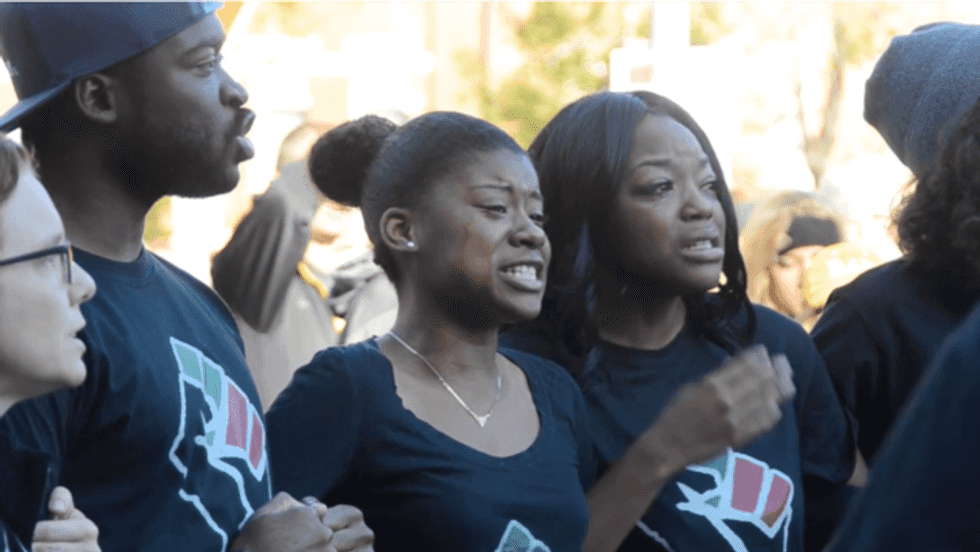
The presence of violent threats on campus really effect how students perform in school, because students can't focus on their academic work when they're too busy trying to stay alive. When students wake up each day feeling unwanted and like people want to kill or purge them, how are they expected to focus and succeed in that sort of environment?
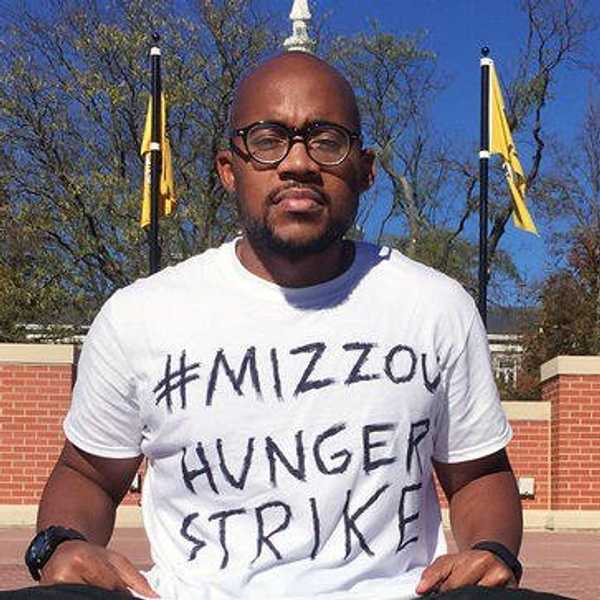
At University of Missouri this is reality.
A series of threats heightened tensions on campus the day following the resignation of University of Missouri officials amid racial turmoil. For example, 19 year old Hunter Park was arrested for allegedly threatening black people on social media. And he isn't the only one. Another college student, Connor Stottlemyre, was arrested Wednesday evening threatening online to kill students in Missouri.
The University remains open with increased security; however many students did not make it to class. A student from University of Missouri emailed her professor about fearing for her life, so she was not coming to class and requested to take the scheduled exam on another day. In response, the professor emailed back, "If you don't feel safe coming to class, then don't come to class. I will be there, and there will be an exam administered in our class."
The incident which incited these protests on campus was several weeks ago when President Wolfe's driver clipped at least one protester while Wolfe sat in silence. However, tensions were already boiling below the surface and this incident merely brought them to the surface.
According to The Huffington Post, "On Oct. 10, a group of black students interrupted the Mizzou homecoming parade. Wearing T-shirts that read '1839 Was Built On My B(l)ack,' referring to Mizzou's founding and slave labor, the students stopped right in front of the convertible that Wolfe was traveling in as he waved to parade watchers. The students took out a megaphone and one by one began speaking about incidents of systemic and anecdotal racism from the founding year 1839 through 2015."
While some believe that criticizing the university's president, Tim Wolfe, was enough to help end racism on campus. Considering the degree of racial unrest that has been going on with out much investigation, it may not be. Since 2012, when Wolfe became president of the University, countless incidents of racism on campus went unaddressed for extensive periods of times. In his mind racism didn't exist at Mizzou.
In a city as diverse as New York and CUNY itself a reflection of that diversity, extreme racism and racially motivated death threats may not seem prevalent. However, as college students, each and every day we are taught to question things as concrete as history and as abstract as the hegemonic structures that establish the social conventions that we live by. These things that are intrinsic to the way we view the world and ourselves are in question, and it is our job to question its standing in solidarity with the students of Mizzou who feel oppressed and targeted is the least we can do.