
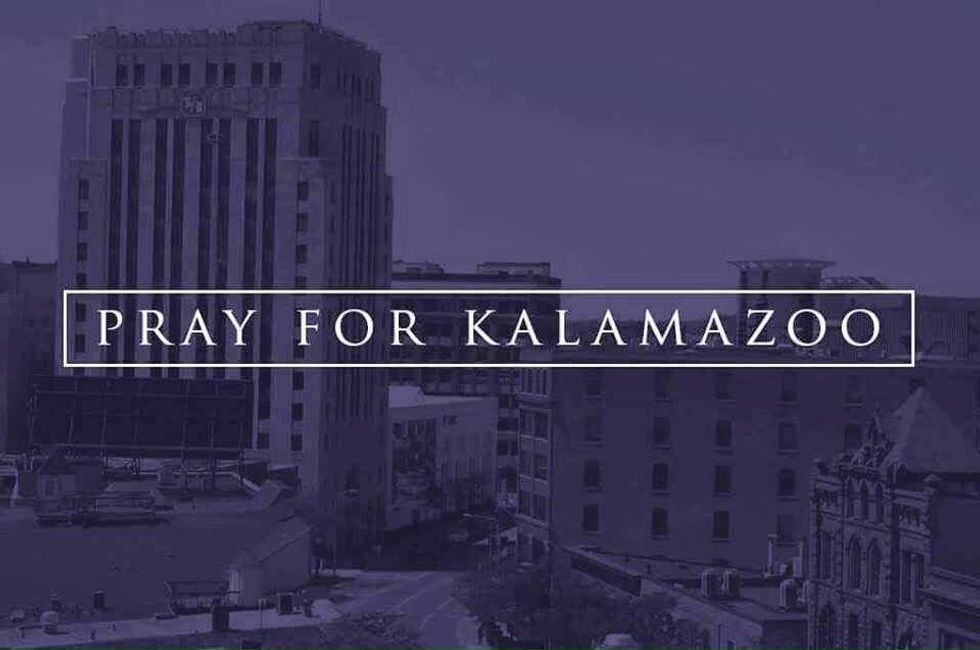
Probably everyone with a connection to Kalamazoo will remember where they were when they first heard the news about the tragic shootings that happened in Kalamazoo last week. Almost everyone will remember sending texts or making phone calls to ensure that their loved ones were okay.
University of Dayton began their mid-winter break just a few days after the shootings, and I traveled back home to Kalamazoo. It’s really only when you leave a place like this do you begin to realize how special it is. The city of Kalamazoo isn’t large -- it’s smaller than Dayton, Ohio -- but that close community means that everyone was affected by the deaths of those involved in the shootings.
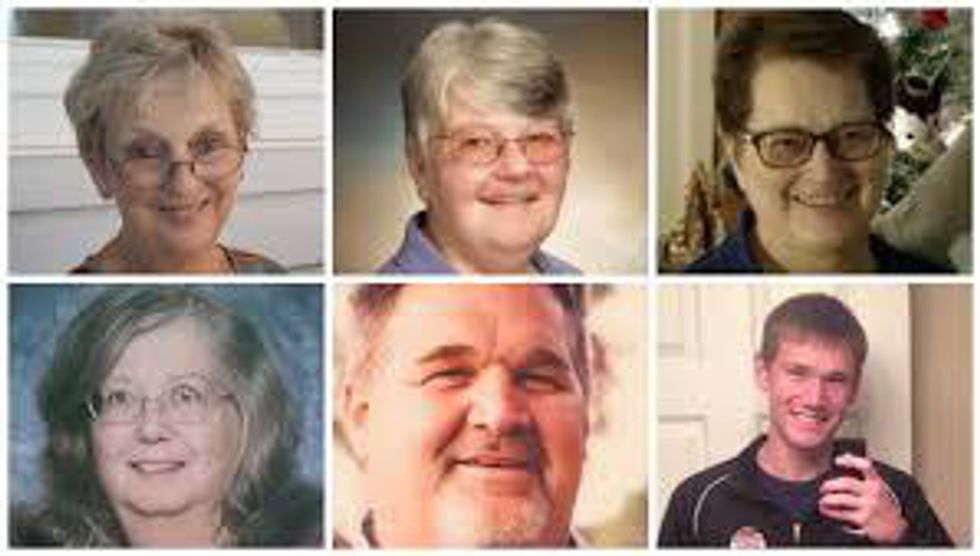
I didn’t know any of the victims personally, but learning about each life made me realize how close they could have been. Each victim has a unique story and families that miss them but the loss is felt throughout the community; we all realize that it could have been us. It could have been our brother, sister, mom, dad, sibling, aunt, cousin or friend. Those of us who weren’t directly affected by the shootings empathize fully with each surviving member.
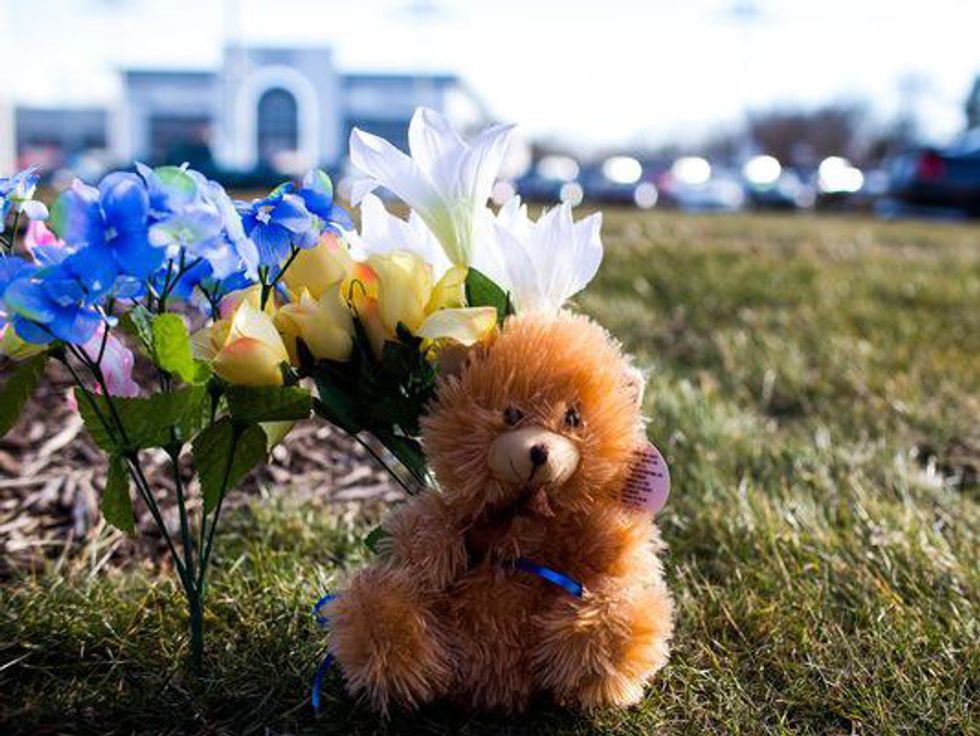
This is apparent in the hundreds of posts I saw on my social network timelines, offering sympathy, shock, or support for their city. It’s obvious when you take a drive through the city and dozens of shops have added messages of support and strength to their city. The support was most clear in the memorial services and prayer services that were in almost every church this past weekend. All the American flags in Michigan were flown at half-staff for six days, one day for each victim. There was even a memorial service that honored each of the victims at the place where they were killed.
Perhaps the most inspiring stories to come out of this are of the two survivors. Abigail Kopf, 14 and Tianna Carruthers, 25.
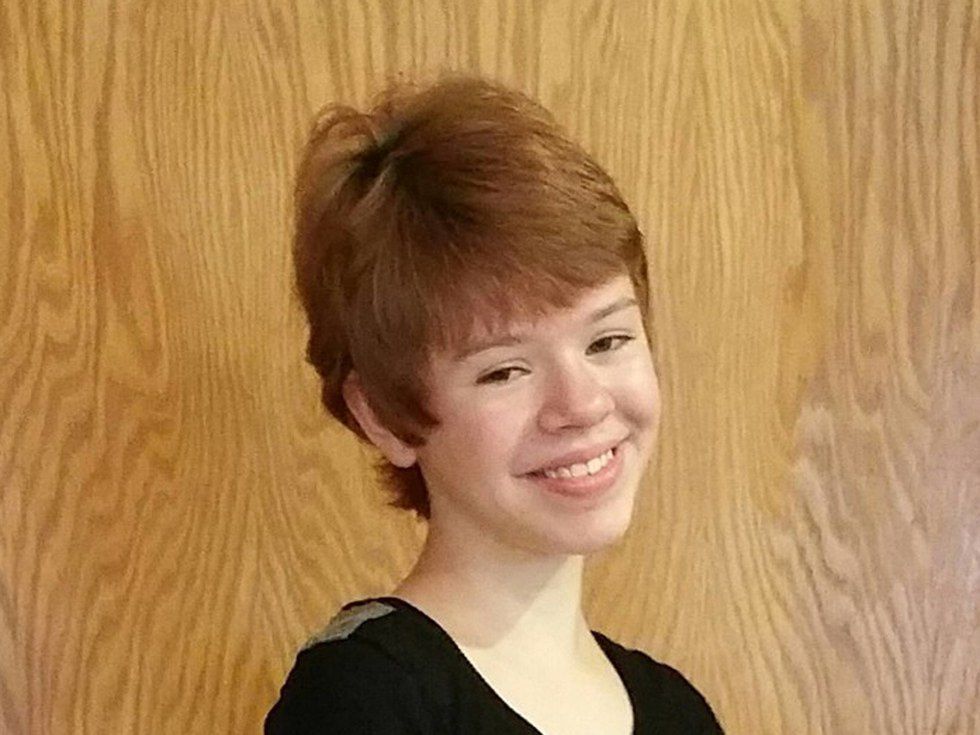
Abigail was enjoying dinner and a show with her grandma and family friends, 60-year-old Mary Jo Nye of Battle Creek, her 62-year-old sister-in-law Mary Lou Nye of Baroda, 68-year-old Barbara Hawthorne and 74-year-old Dorothy Brown, both of Battle Creek. All four women would become victims of the shooter. Abigail was shot in the head and declared dead, but then squeezed her mother’s hand. Vicki Kopf, Abigail's mother, said, "Breathtaking. It was a miracle on its own. You don't expect it and then all of a sudden it's there." She remains in critical condition but has been showing improvement, from wiggling her toes to continuing to squeeze her hand, even making two thumbs up in response to a question.
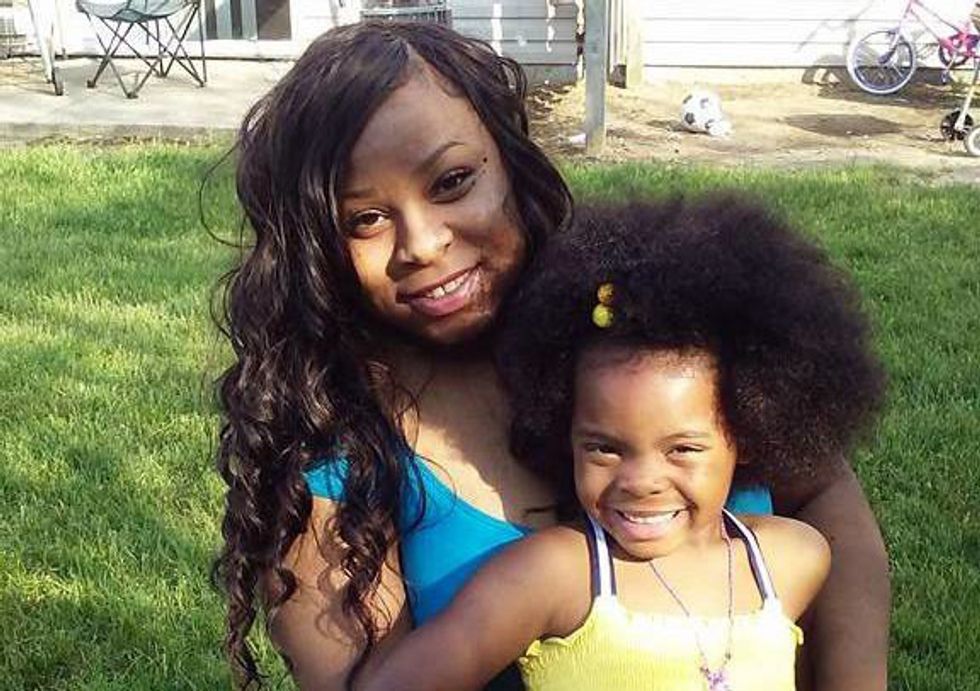
Tianna Carruthers is being called a hero; she placed herself in the line of fire to protect her children and was shot three time at Meadows Townhomes in Richland Township. In an interview with WMMT, a local news station, Kalamazoo County Sherriff, Richard Fuller said, "The mother, the victim in this shooting, to me was a hero. This person put themselves between the children and the shooter right away." The sheriff's department also told WWMT that she has weathered multiple surgeries and remains in serious condition, but is expected to recover.
It’s been a full week since my hometown was shocked by senseless violence and there has already been another community affected by gun violence. For me, this other instance doesn’t take away from our horror or our healing but continues to show the problem with gun violence in America. I don’t believe there is any one cause to this violence and I don’t believe we should take away citizens’ second amendment rights. But clearly there is a problem that continues to be ignored and affect our communities almost constantly.
So far, the hardest part for the Kalamazoo community has been the lack of an answer to everyone’s question: why? The victims were chosen at random and had no connection to the shooter. The perpetrator hasn’t given a reason yet, and maybe never will. For the family members and friends, and the whole community, there will never be an answer that will help make sense of senseless violence. There won’t ever be an answer that will bring their loved ones back.
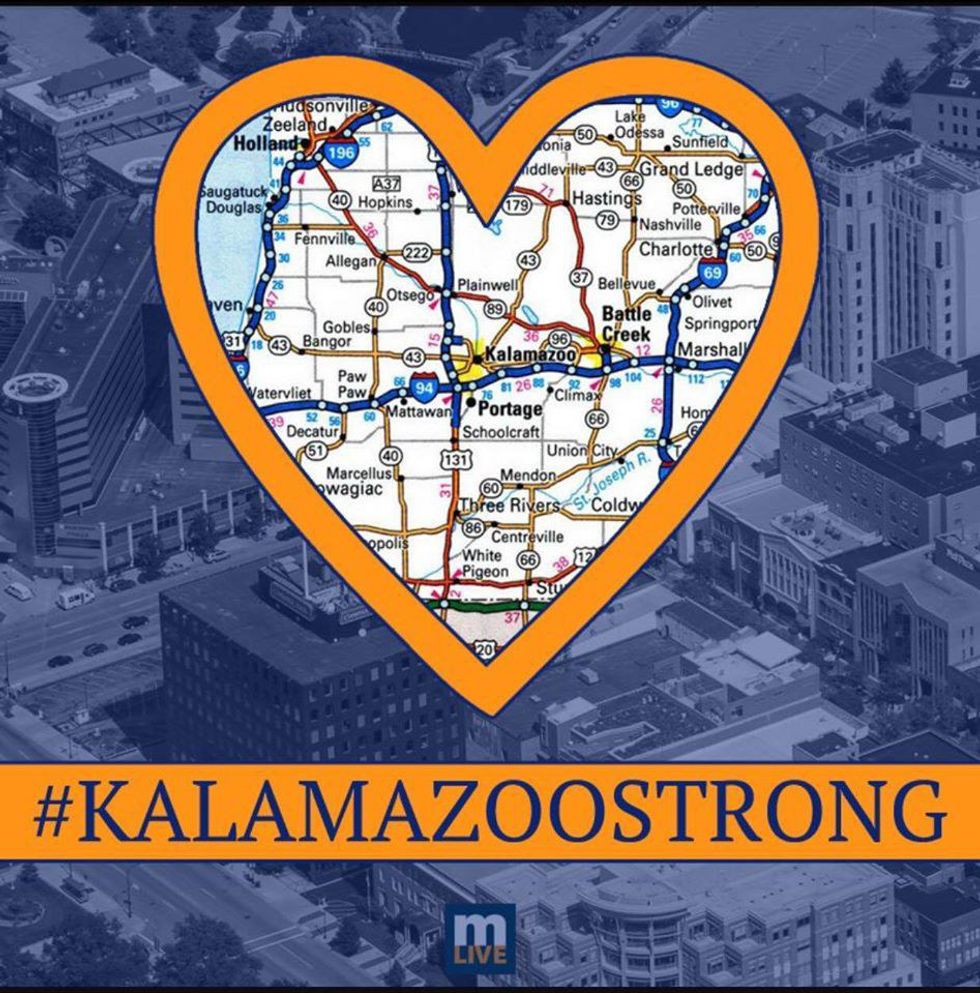
The hardest part will be moving on and healing without these answers, but moving on doesn’t mean forgetting and healing doesn’t mean we were never affected, just that we are strong. We are Kalamazoo and we will stay #kalamazoostrong.