The idea of racial colorblindness, is encompassed by progressive thoughts and good intentions. However, this radical idea of not seeing skin color, might be the cause of a different form of racism. Colorblindness is not obvious racism, in fact, it is attempting equality. And although the objective of colorblindness was never to be racist, it is naive and is allowing admission. We are all aware of the fragile line that borders racism, but what’s on the other side?
The statement, “I don’t see color, I see people” is a good idea in theory. But color is part of someone’s identity. It is a part of who they are as a person. So if you do not see color, you are not really seeing people in wholeness. It’s true, that the color of a person's skin should not be a deciding factor in their existence, but it is a characteristic that is rich in self preservation and deserves recognition. Furthermore, historically, race has so much to offer to our culture. If we avoid seeing color, we are pretending all of the racial experiences that have prevailed in history, and served as learning and growth points for our country, are invalid. Knowledge is history, and colorblindness destroys that and causes a disconnect. If people ignore skin color, they are also ignoring culture and heritage. And overall, that is hurtful to not only the person who has color, but also to the person who doesn’t see it. Colorblindness limits how we see the world, and the world is so vibrant in hue. Another detrimental issue that comes with colorblindness, is the fact that it associates color with negativity. And that is the end all and be all of racism. Pointing out a difference in a person, or group and reacting negatively. Difference is never a bad thing, it should be celebrated. And even though, colorblindness is not doing this in a hateful way, it is passively acting on the fundamentals of racism. Part of the problem, is this ideology is never passed between two people the share the same skin tone, it always implies contrast. Additionally, color is important to demographics. For example, we need to be able to detect the correlation among a variety of races and education, in order to come up with proactive solutions.
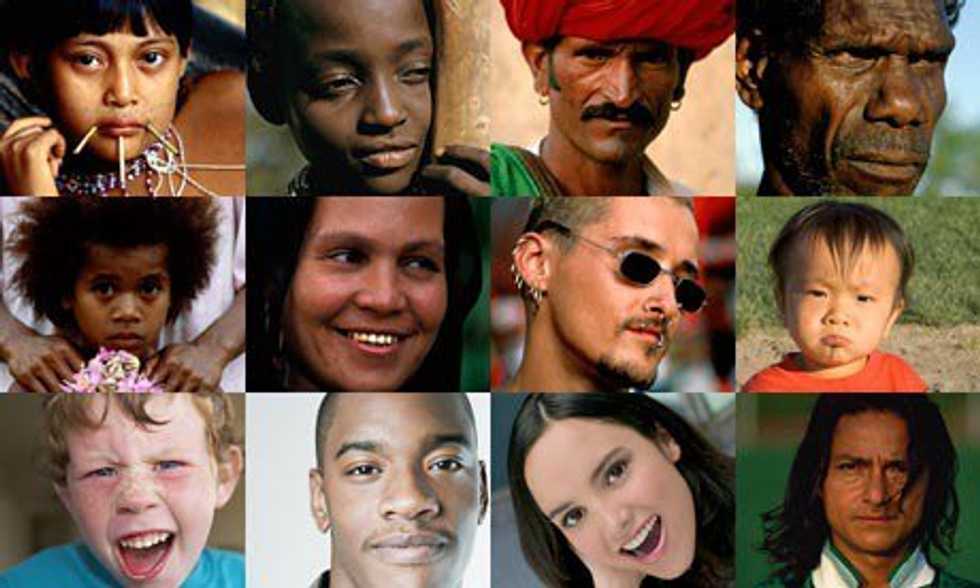
If you say the words, “I don’t see color, I see people” to me, I blatantly will not believe you. As a human, your brain is programmed to notice various traits, and in no way is it going to miss pigment, especially if it is different that yours. So please don’t be ignorant. Recognize color and take it in. Cherish the artistry you are being exposed too. And embrace the fact that just because you are alive, you get to be in the presence of another randomized, specialized, important being. Because that’s truly amazing. Be grateful that we are not all living in uniformity.
By and by, I believe that we shouldn’t just see color, we should hear color. We should listen to what the color of someone’s skin says and pass it down. We should appreciate oral tradition when it comes to color to protect the bigger picture: the history, the traditions, the cultures, and the heritage. Because even if you are hindered by vision, a blind man can hear the indigenous truth.