


Cats are notorious for being cute on the outside but mean and aloof on the inside. If you approach them in a way they understand and fulfill their needs, then you may find they are affectionate and wonderful creatures after all. Here are some tips and tricks on how to keep a cat happy.
1. Stranger Danger

When you're walking down the street, minding your own business, would you like it if a stranger picked you up or started touching you without permission? If you're the average human, the answer is no. Letting a cat smell your hand is the equivalent of a handshake. It's their way of familiarizing themselves with you, since they cannot differentiate human faces. So next time you try to pet a cat, let him or her sniff you first, or you're likely to get a warning bite that's meant to say "Hey, back off buddy".
2. Distinct Personalities

Cats are not all one and the same. Each kitty possesses a unique personality and will behave in different ways. It's important when adopting a cat, or taking them in, that you pay attention to the behaviors that differentiate them from other cats you've met. You (or your six-year-old) might be tempted to pick the cutest, fluffiest feline you find, but two weeks later he or she might be too aggressive for you (or your six-year-old). When choosing a cat companion, think about other pets you have at home and if the cat you like the most will like your family back.
3. Inside, Out and All About

Some cats are indoor cats, some cats are outdoor cats, and some cats go anywhere you let them. It's important to consider where you live and how much time and energy you have to spend on your little pal. Indoor cats will be content in apartments or small spaces, whereas outdoor cats will like big yards to roam and hunt in. Be careful, though, because some cats get lost if they find their way outside. The best thing to do if you're letting them out for the first time is to wait outside on your porch for them to come back to you. If they run away, keep their food bowl on the porch. This way, they can find their way back home.
4. Kitten Cuddles

If you're thinking of taking a kitten home, or any cat less than two years old, think about bringing home a friend. Kittens learn how to play nicely by playing with their siblings. If one kitten bites or scratches too hard, the other ignores his or her sibling or taps him or her on the nose. Next time, the kitten will play more gently. Without this companionship as kittens, cats become aggressive and in some cases feral as they age. An adult cat will be fine on his or her own, but kittens need buddies.
5. Frisky Kitties
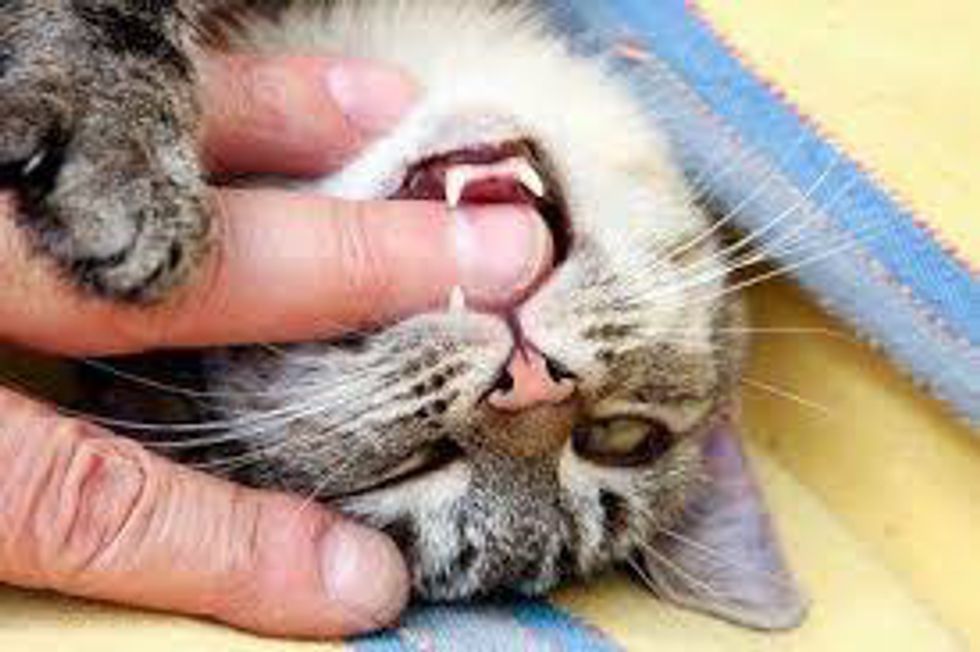
Most new cat-owners assume that disciplining their cat will be like disciplining a child: just give them a spanking or lock them in their room for a while and they'll behave. This is a risky mindset, as cats won't respond to simple pain or caging because they don't learn the way humans do. If you hit your cat, even lightly, the only thing you are teaching them is to be afraid of you. One thing you can do instead is tap them very gently on the nose. This is what mama cats do to tell their kittens "no". Another thing you can do is give them a soft, but firm "no"--or whatever word you want to use. You could just as well say "pickles" as long as your tone is strong. Just don't yell because a raised voice is more likely to scare or annoy your feline than entice them to behave.
6. Neat Freaks

Cats are perfectionists. They like a clean and tidy home and expect you to do the work. Only use enough litter to cover the bottom of the box and change it daily or every other day. This is cleaner and cheaper than filling the box and changing it once a week. Also, your cat is less likely to go somewhere else, like the furniture or your pillow. Give your kitty fresh water every day and make sure they're well fed but not overfed.
7. Mewls and Meows

Just like human babies, kittens and cats have distinct meows for different needs. Soft, quiet meows tend to signify that your cat is uncomfortable. This could be for a variety of reasons, so just check that they're not hungry, in need of cuddles, a litter box cleaning or sick. If need be, take them on a trip to the vet. Meows should sound clear. If your cat's voice is gravelly or rough, they could be angry or sick. A common reason for this meow is dehydration, so give them fresh water and take them to the cat doctor (ehem, vet) if these meows persist. Cats also have special, louder meows for humans because from their point of view, we are loud, clumsy and rather dim-witted. If your cat is trying to get your attention, it's likely they're hungry, want to play or just need love.
8. Can Cats Really Love?

Yes and no. Your cat is really unlikely to take a bullet for you, but they are likely to try to take care of you — albeit mostly because they think you're too stupid to take care of yourself. Cats sometimes bring home dead animals. It's been theorized that this is because they don't observe you hunting for yourself, and since you're their main source of food, it's important they keep you alive. Some other ways cats show affection by wrapping their paws around your arm, rolling over onto their back and thereby exposing their vulnerable tummy, gently nibbling or pawing your hand, rubbing their face against you, touching their nose to yours and finally, the ultimate sign of cat-affection: kneading. This is when a cat puts their paws together on your skin or an object while you're petting them and repeatedly extends and retracts their claws. This means you have a very happy kitty!
9. Don't De-claw

It's perfectly okay to trim a cat's claws if they like to scratch your furniture, but research shows that removing their claws can be psychologically damaging. Would you take your nails off? Claws are one of a cat's main tools for protection against predators, and it's important to a cat to have their natural weapons even if their most likely use is a stuffed mouse.
10. Cat Walks

It isn't necessary to take your cat on walks as long as you play with them consistently so they can practice hunting and playing nicely. They will usually find ways to exercise on their own or during play time. However, as mentioned above, it's important to let your cat out if he or she is an outdoor cat.
Congratulations! You're ready to bring your feline friend home. Have a purrfect experience.