
What if you have the flu, but you’re flying to Hawaii tomorrow morning, with $4,000 worth of total costs? You’re a full-time working single mother whose child is inexplicably bleeding from her nose. What then?
What do these incidences have in common? They both demand professional medical help, each increasingly quickly. None of them can afford the time to wait for a family doctor or rush to the nearest ER.
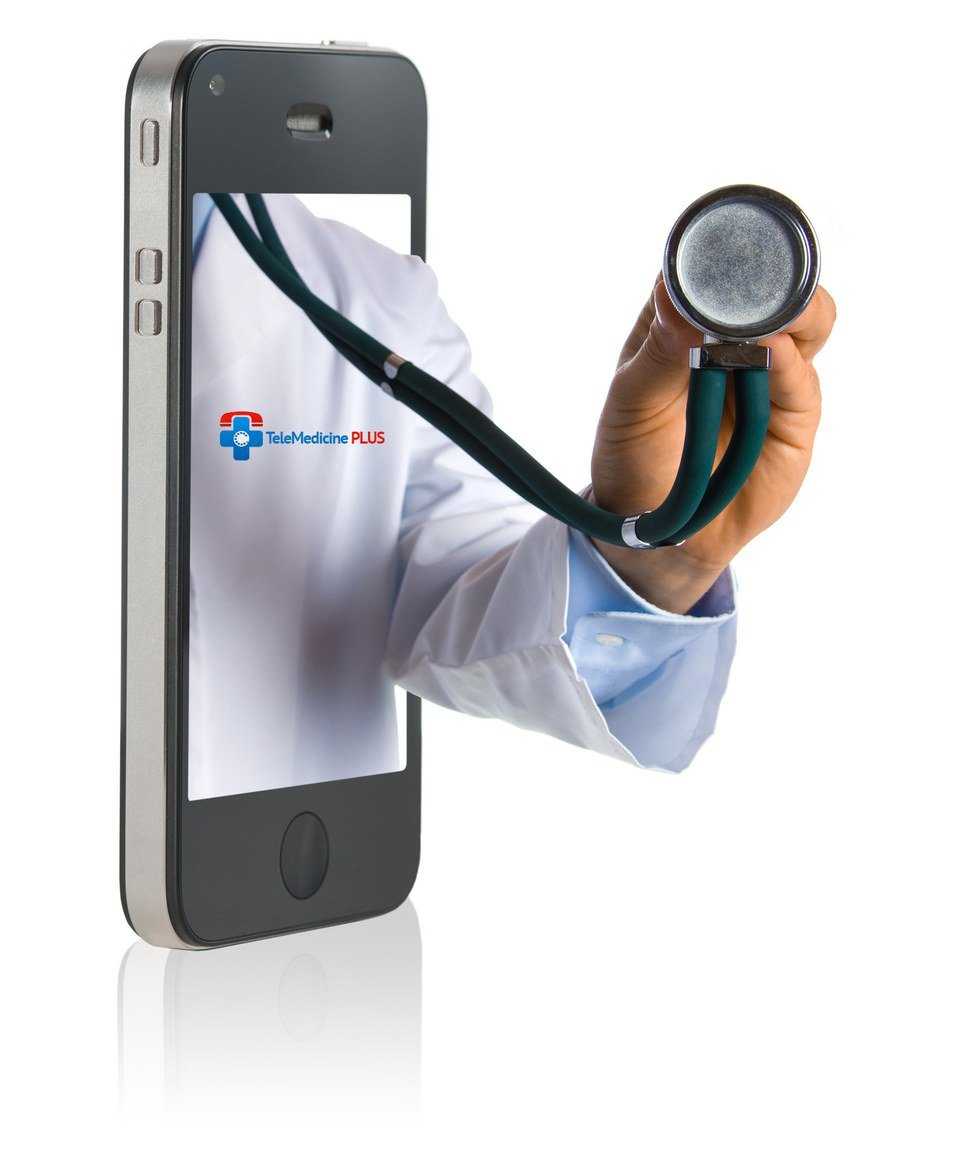
Thanks to telemedicine, a way of exchanging medical information through electronic devices to treat a patient, people can receive immediate help within their very homes or in remote location. This concept was conceived about 40 years ago with the concept of Health Information Technology, and today it is widely used across the globe in various medical fields. This service is offered through video, Webchat, a phone call and much more.
Here are the reasons behind its popularity.
1. Cost Efficiency.
Insurance companies and some doctors will charge more for a physical visit to the doctor’s office, but in this case, the cost of treatment is cheaper.
2. Convenience.
One can contact a physician with the touch of a button on his or her phone, and this will be helpful especially to the populations in rural communities, where appropriate healthcare services might take several hours to drive to.
3. Wait-time reduced.
This can be quite a nuisance, if you are a full time worker and can’t take off from work because visiting the doctor sometimes requires a long wait.
4. HIPAA assurance.
Since telemedicine actually pays doctors for their service, violating any rules on patient privacy would need legal action. You can be assured that your medical history isn’t going to be public.
5. Consulting a specialist.
Sometimes patients want specialists to look over their X-Ray and MRI reports for a second opinion.
However, with every easy road, there can be set-backs.
1. Power outages and wi-fi glitches.
Obviously, without properly functioning internet and such, there's going to be issues with proper healthcare. A glitch in the system could contact the wrong doctor, or mis-schedule an appointment.
2. A wider margin of uncertainty.
I’m not implying that physicians will not diagnose and treat properly, but sometimes, a patient’s problem or disease requires a closer observation that cannot be compensated with a picture, chat, or phone.
3. Malpractice will be more likely, and it could result in serious consequences.
Surgeons also use different forms of telemedicine to operate on a patient in areas where expert help isn’t available. In such cases, the professional doctor from the other side will demonstrate lacerations and other procedures.
Offer of this health service isn’t limited to family physicians and other specialists, but it also extends to psychiatrists and counselors. Anyone seeking mental help or counseling can also benefit from this service.
Although telemedicine is a great alternative for treatment, it cannot replace the certainty and assurance that you could have through face to face communication with a physician. For now, it is best to be used for minor ailments (flu, dehydration, etc.), and in extreme cases where surgery is needed.