
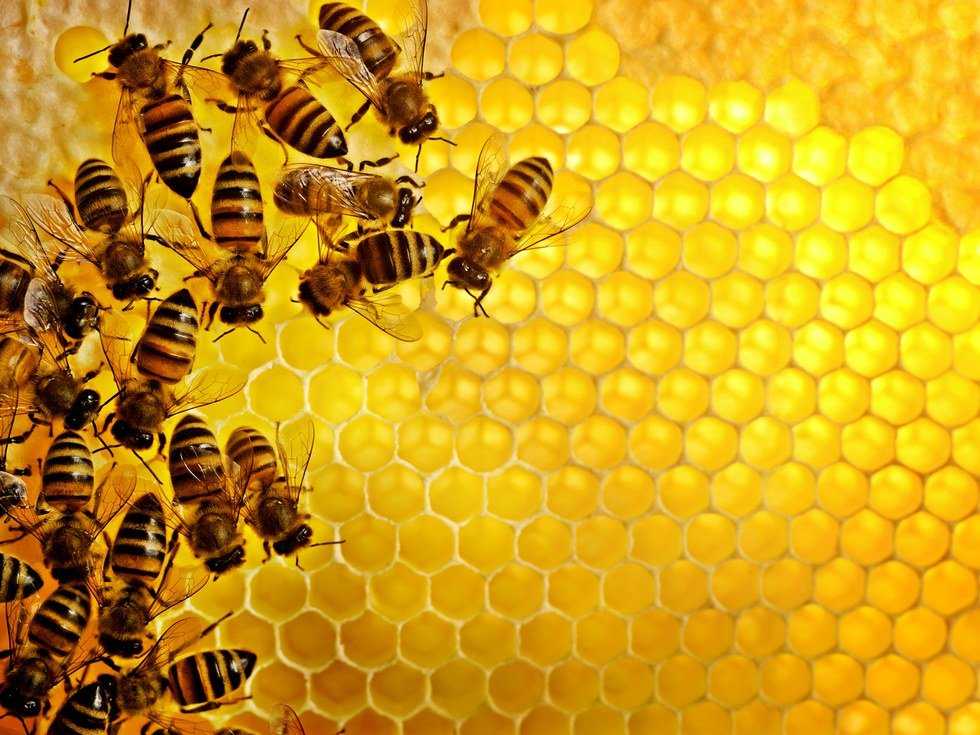
Bees are one of the most important pollinators, yet, since 1990, the United States has seen a decline of managed honey bee populations by 25 percent. As honeybee populations continue to plummet, it is predicted that we will suffer the consequences of the rising costs of food production due to scarcity in our food supply, as well as the serious effects on wild plant and animal life. Some even predict that if honey bees were to disappear completely, then human civilization as we know it would cease to exist.
Currently, the main threats to honey bee populations across the globe are the increased use of a type of insecticide called neonicotinoids, commonly used in industrial agricultural practices, climate change and against invasive species, non-native species and parasites. A phenomenon is known as colony collapse disorder, in which the majority of the worker bees in any given hive suddenly disappear, is also a looming threat to bee populations and researchers around the globe are studying its causes and effects. While not all of these threats are man-made, there is a lot that we can do on an individual level to help curb the effects that these things have on hives.
1. Plant A Bee-Friendly Garden
Recently, landscaping has moved away from flowering plants and has taken a step towards pristine, green, manicured lawns. Just incorporating more flowers in your gardens can make a huge difference. Some of the most bee-friendly plants are lavender, sage, tomatoes, sunflowers, cosmos and mint.
2. Purchase Raw Honey From Local Apiaries
Not only are you ensuring that you are buying the most sustainable and delectable honey you can find when you buy local, but you are also supporting small farmers and the local economy. By spending your hard earned cash on honey straight from local farmers, you are also supporting your local honey bee colonies which makes for a more diversified honey bee population altogether.
3. Don’t Treat Your Lawn Or Gardens With Chemicals, Especially Of The Neonicotinoid Variety
As I mentioned above, pesticides are one of the leading causes of honeybee death and therefore, should not be tolerated in any household. If you can’t let go of chemical fertilizers and insecticides, then, at least, make sure to keep them away from any flowers that are in bloom as these are hot targets for honey bees.
4. Leave A Small Container Of Water Outside Your House
Most people wouldn’t think of this, but bees get thirsty too! Providing them with a reliable source of water ensures that they’ll come back to your yard in the future, and I’m sure they’ll appreciate it.