

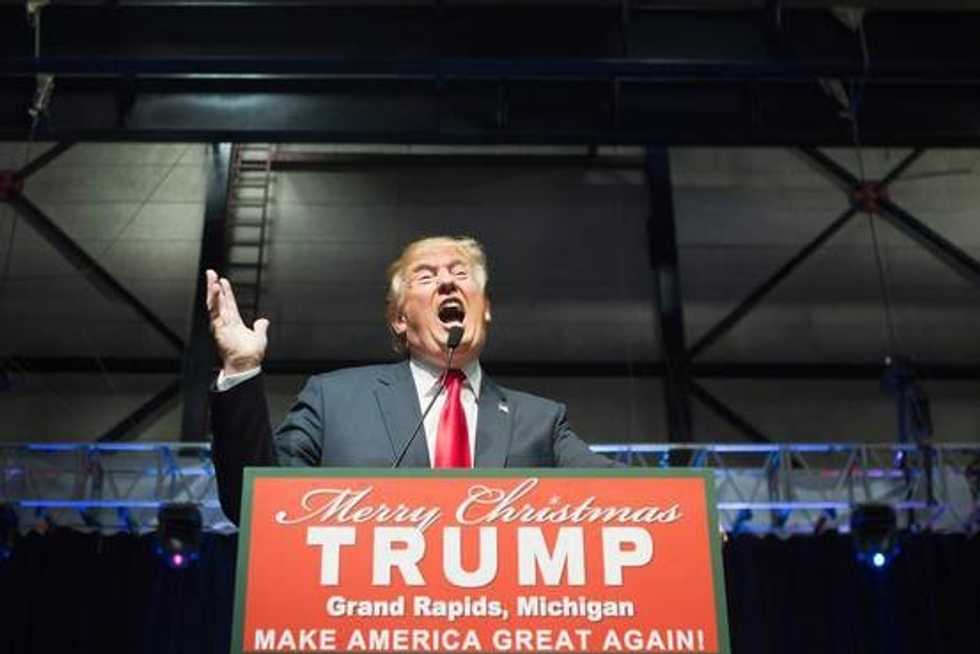
It seems as though it was one thing after the next: Donald Trump makes an obnoxious comment, the media reports on it, and he surges in the polls. He criticizes women, races, and religions, but yet, people flock to his rallies, fascinated by the mystery behind the real-estate mogul’s current political success. What will be interesting, however, is to see if these rally-goers become actual voters as the Iowa primary comes to light on Feb. 1 and then New Hampshire on Feb. 9.
This last month of rallies and national polls, although valuable, are incomparable to the actual votes that will be received, and it leaves us, as a party and a nation, fearing the worst. What would it mean if the current polls are correct and Trump voters turn out on voting day, solidifying Trump as the GOP front-runner? What would this mean for the party? What does this say about our nation and our people?
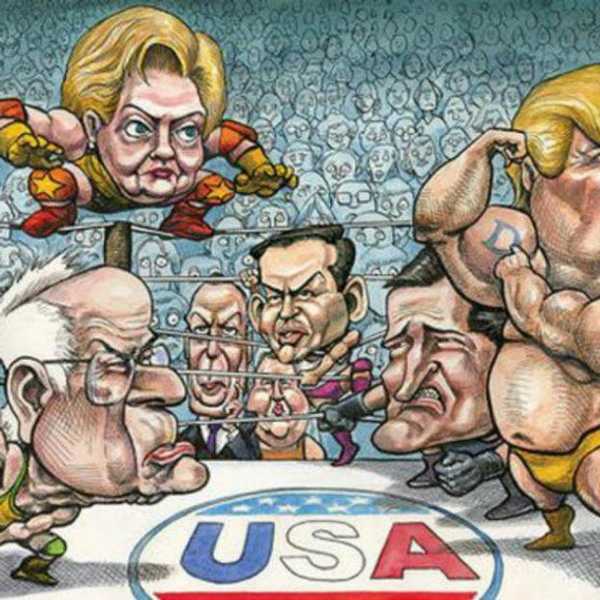
We need to think logically about what could happen if voters do turn out for Trump. Could the GOP split into two parties, with the Trump and Cruz ultraconservative supporters on one side and the classic establishment Rubio supporters on the other. How will the establishment respond? Will they bolt and refuse to come out in November 2016? This political cycle is confusing and, in all honesty, frightening for the future of the Republican Party. The two-party system, Democratic and Republican, has been intact almost since the beginning of our nation’s formation and has consistently provided security, stability, and most importantly, progress and stride. The thought of the GOP becoming two brings to light a scary reality that we could be facing very soon. We have the establishment, who believe that they will save the party from the ultraconservatives and hoodlums, as in those who blindly follow Trump. It is those blind followers, however, that angrily believe the members of the establishment caused the current state of the party. It is this divide, however, that proves what we are witnessing is not that surprising. Since 2008 we have watched this rift form in the Republican Party, consistently stretching until this year, it snapped. What has occurred with Trump is a result, not a cause.
Yet, how can a man who wants to build a wall and ban the immigration of Muslims be the voice of change and reason? How can a man who criticized Carly Fiorina based on her looks, who claims thousands of people in New Jersey were cheering on Sept. 11 when the World Trade Center collapsed, and who praised the leadership of Vladimir Putin unite our nation and party? How can a leader who invokes fear, hatred, and anger into his followers bring a new hope to our country and lead us into the next four years? Can the establishment’s favorites, such as Marco Rubio and Jeb Bush, reach voters and restore order among the chaos?
Come next month, certainly some of these questions will begin to be answered. What is for certain, however, is that the next few months will be full of political craziness and surprise. As a party, all we can do is fight for resurrection and resolve. We have a say in the future of the Republican Party, so let’s put an end to the vicious cycle of Trump and begin focusing on a candidate who does not yell, threaten, and hate, but rather vote for one who can bring hope and change. Let’s support a candidate whose voice has the ability to unite the party rather than further divide it. Trump’s message of anger peaked in 2015, but 2016 is the year we bring light back to the Republican Party and the United States of America.
















