

How news and information reaches us today is incredibly different than just 10 years ago. Social media's role in the Internet allows everyone with access to the Internet the ability to communicate and share news articles with friends and strangers alike. However, this is not the first article to recognize this phenomenon caused by our favorite websites. Three years ago, a 30-minute video bringing the atrocities of Joseph Kony to the front page of millions of Americans shows how social media could possibly be used to stop a war criminal, or at least bring light to it. Not even one year ago, nearly everyone who had a Facebook account posted a video of themselves pouring ice water on themselves to raise awareness for the disease Amyotrophic lateral sclerosis (ALS). Many decided to donate money, giving hope to thousands of people with family members suffering from the previously renowned disease.
While both of these videos helped individuals through the use of social media; how much of an effect did they really have? Ignoring the fact that there is currently no progress for a cure and that Kony 2012 organizers used the raised funds themselves, did these at the very least set out what they originally intended to do? Did they raise awareness?
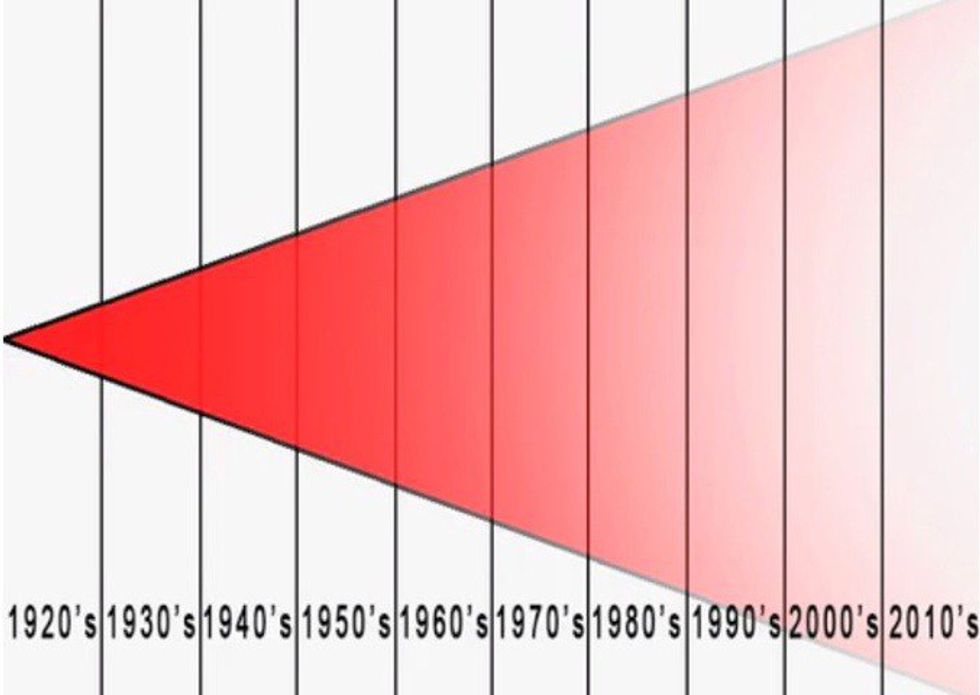
No, they didn't. Both Kony 2012 and the ALS Ice Bucket Challenge were largely forgotten three months after these videos were posted. The main issue with the easy access that social media gives is that there are so many articles and videos that it gives the Internet a very short attention span. This is recently known as a Blurring Effect, where earlier on in history titles, articles, and entertainment stuck easier in people's mind since there were less to look through. This is seen plenty on the Internet where memes and news articles are constantly posted, discussed, then ignored for a newer event. This is one reason why no one remembers events like the Syrian Civil War or the Ukranian Civil war a few months after they start since it is so easy to ignore.
Essentially the internet is a wonderful tool; however, I am not convinced that social media can be used to help people or save the world. If and when individuals want to give money to a charity or halt the spread of a terrible disease, they will simply Google away.