
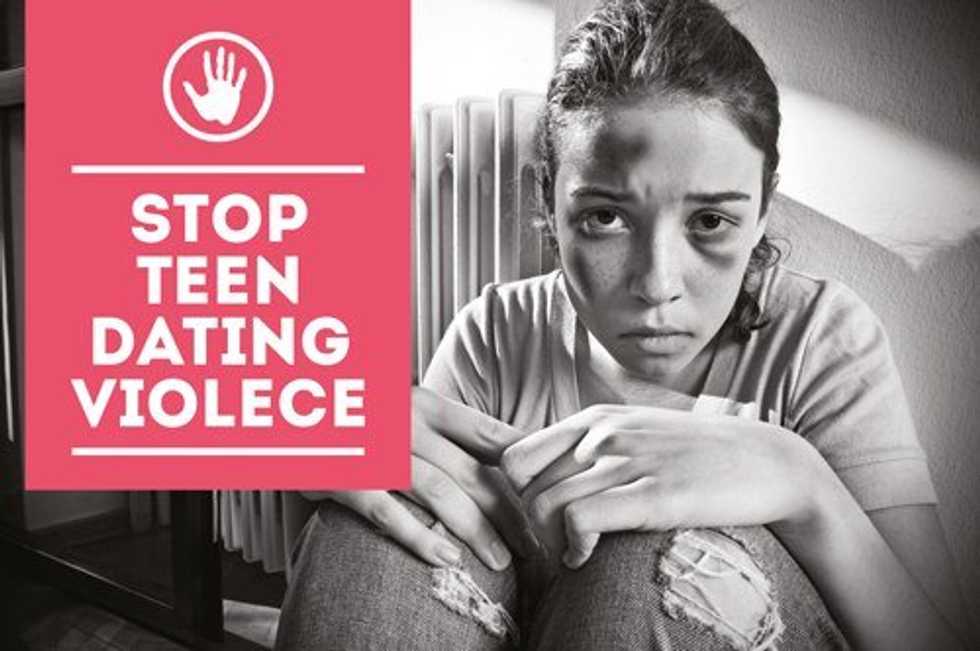
In 1975, Cambridge, Mass. became home to the first domestic violence transition house in New England. Two friends and survivors of domestic abuse formed a coalition, housing several women in their shared apartment. What first started out as a secretive shelter for women facing partner abuse has now sheltered over 10,000 people. Today, abuse is heavily looked down upon compared to the blasé view of 1975, where authorities were telling victims to “settle issues with their partners alone.” Teens as well as adults face the impact of partner abuse. One in three teens in the United States will experience teen dating violence.

In Cambridge, teens from the Youth Action Corps are addressing the issue of “TDV” by creating a social media campaign, proposing workshops, a needs assessment survey, and a conversation with local authorities.
What exactly is their message? Here is a list of the problems they are addressing:
1. Dominance Is An Issue
In unhealthy relationships, there is at least one partner who tries to control the other partner’s behavior and forms a continuing pattern of abuse. There is a phase when the partner may apologize for their behavior and blame the victim, but the abuse still continues.

2. Physical Isn’t The Only Form of Abuse
Although physical abuse is an extreme form of abuse, there are other forms that we also see, such as: sexual, emotional and verbal, financial, technological, and psychological abuse. Physical abuse can involve slight shoves, pushes, threats, or even throwing objects. Emotional abuse may entail hurtful words or taunting and embarrassing a partner. Sexual abuse doesn’t always mean rape--it could consist of unwanted touching, online releasing of sexual images without consent, and harassment. If a partner is financially abusive he/she may be prohibiting a partner from working or spending money, or even using their money without their will. Technological abuse may involve a partner taking away his/her partner’s electronics, and psychological abuse involves any form of blackmail or manipulation.

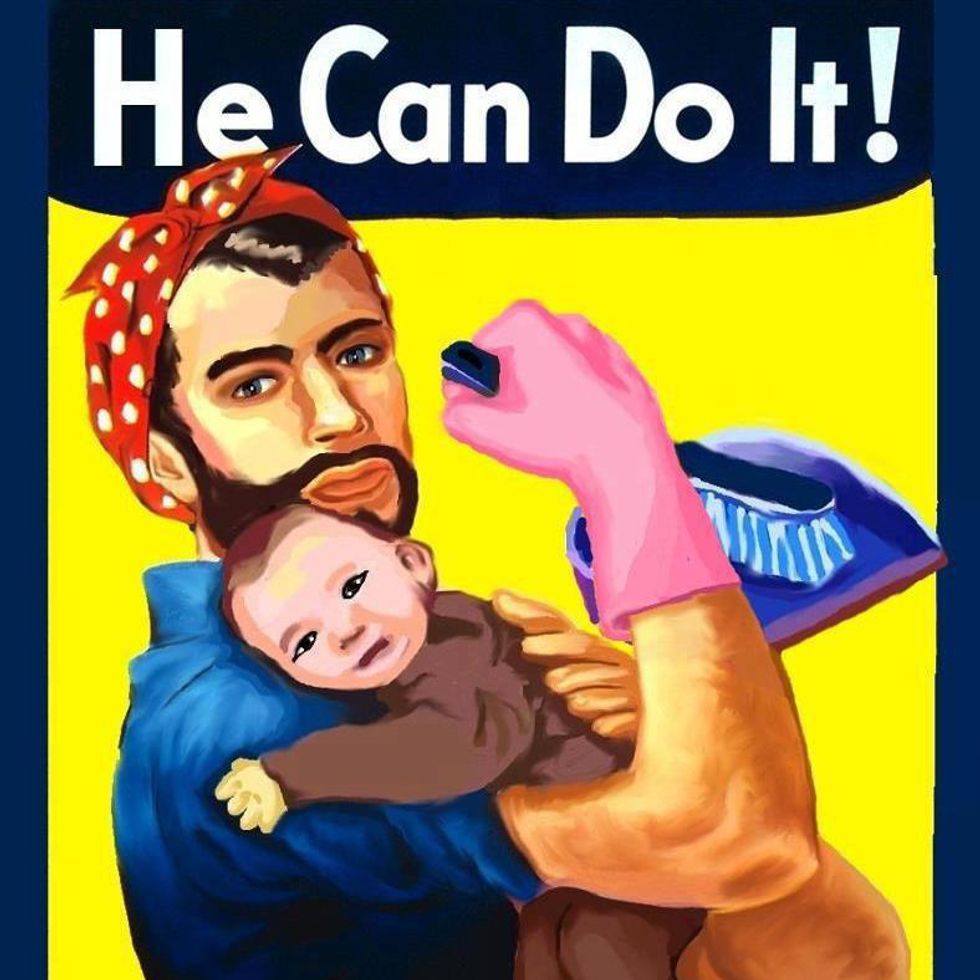
3.Gender Roles Have Played A Part in Accepting Abuse
In several realms of society, it has been acceptable for males to abuse their partners to “discipline” them. In other circumstances, when females abuse males, it is seen as “less threatening” though still deemed as unacceptable. Abuse in any form and situation is never okay. Abuse can happen in either heterosexual or homosexual relationships and anyone can be a victim.
4. No One Chooses To Tolerate The Abuse
Victims are often told that they can run from the abuse, that they do not have to tolerate it. However, doing that can be hard owing to financial or societal concerns, especially for married couples. When approaching this issue with someone, have them know that there are several routes they can take, such as issuing restraining orders, partner incarceration, and etc.

5. A Healthy Relationship Incorporates Consent
Consent can be a clear yes or no, but it doesn’t always have to be. It can be shoving away, not being conscious or sober (not in a proper mental state to make a decision), a shake of the head, or other physical indications.
To find out more, and raise awareness about this initiative share this post and use the hashtags: #luvovertdv, #tdvhurtsall, #accusetheabuse . Follow Youth Action Corps on Twitter, Facebook, Instagram, and Tumblr.