Five Guys, Dick’s Drive-In, In-N-Out… these are just some of the places that people flock to in order to enjoy a mouth-watering, cheese-and-onion-and-ketchup-smothered burger. Beef, chicken, and pork have been an integral part of our meals, from firing up the grill in the summer to making roasts during the holidays.
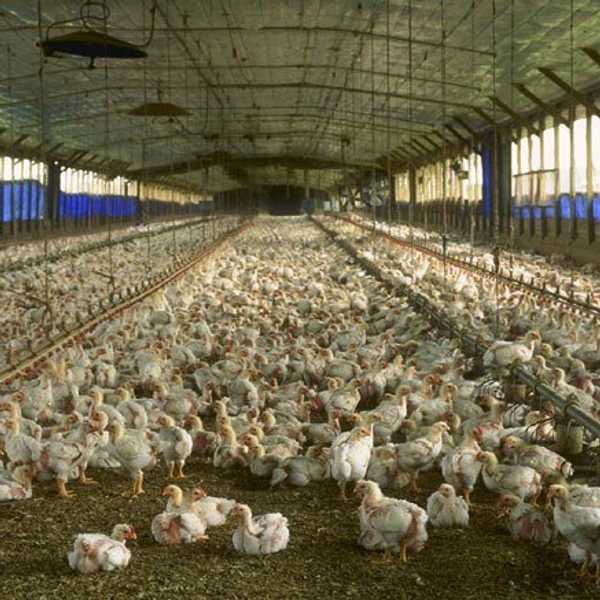
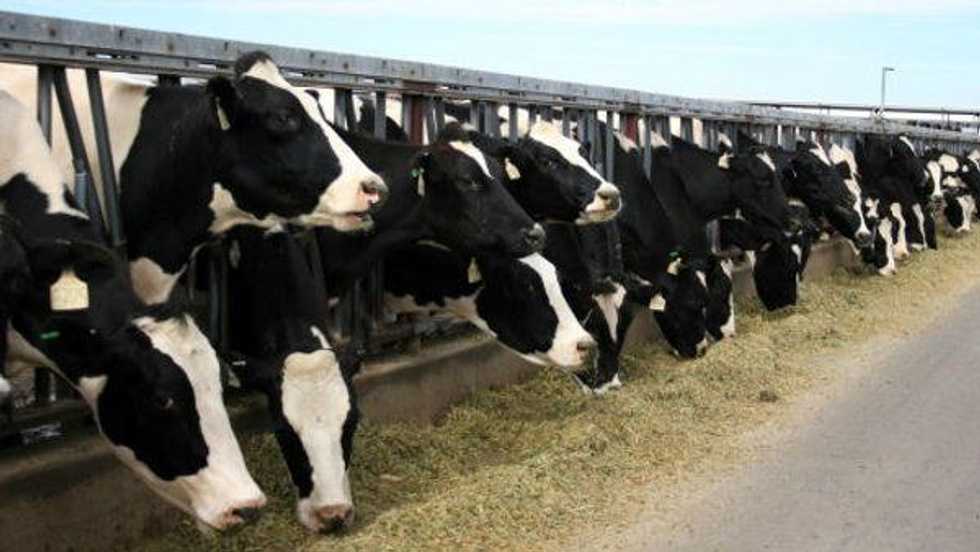
But the happy cows grazing on green pastures pictured on packages of steak is, sadly, a huge misconception. Terms like “free-range,” “all-natural,” and “cage-free” mislead the public into thinking that the products they are buying are somehow more ethical and tastier than their conventionally-grown counterparts. For instance, about 80 percent of the beef industry is owned by a mere 4 companies, not by individual family farmers like one might expect. There is much controversy over the use of concentrated animal feeding operations, or CAFOs, in which hundreds of animals are crammed into one building. Such cramped spaces, owned by companies who couldn’t care less about their animals, farmers, or workers, lead to a flurry of environmental, social, and health issues. Here are just a few:
They harm the environment.
Now, some people argue that CAFOs help the earth by using up less space than a several-acre field would, and that is a valid point. However, the waste produced by these dense “farms” include feces, urine, antibiotics, and all kinds of pathogens. These can end up in streams, where they pollute the surroundings or even end up on unsuspecting farms. In addition, the water used for the animal feed, the gas used to transport meat and dairy, and the electricity used to maintain CAFOs doesn’t help the environment, either.
All of those pollutants aren’t just taken up by streams. They can leak into produce farms or well water, where bacteria such as E. coli can then thrive and find their way to your dinner table. Additionally, antibiotics used in conventional farming can lead to bacterial resistance in people, meaning that bacteria that make you ill may no longer respond to medicines that doctors give you.
They perpetuate social inequality.
The idea that beef has something to do with social issues may seem like a stretch, but the truth is that many people are affected by the meat industry. According to Food Inc., illegal immigrants are rounded up by meat companies. These companies pay their workers little, which leads to big profits and cheaper meat. Suddenly, the dollar menu at McDonald’s seems a whole lot less appetizing than it has before.
And of course, there’s the issue of animal abuse.
I’m not a vegan by any means, but the idea of cramming cows into cages and having them stand in their own manure seems just a little cruel to me. CAFOs are known for their unfair treatment towards animals, whether it’s clipping the beaks off of chickens or keeping their animals in the dark instead of outside where they belong.
That all being sad, people who are vegetarian aren’t necessarily saints, and not all meat-eaters are animal-haters. But in general, it is important to be aware of where the things you buy and eat come from. It may not always be possible to eat vegetarian or locally-raised beef, but knowing about where things are sourced can help you start the conversation on sustainability and make others aware as well. The switch from conventional to conscious eating can be as simple as buying humanely-raised eggs or treating yourself to locally made ice cream.