

I woke up this morning to find the world reeling from the results of the UK referendum vote to leave the European Union. Having studied abroad in London this past semester, only returning a few days ago, the results of this election, though they reverberate throughout the international economic and political fabric, hit much closer to home for me. As a concerned temporary member of British society (though I was unable to vote in the election), I have been doing my best to familiarize myself with the situation and formulate a well-educated opinion on the issue.
During my time in the UK, the so-called “Brexit” was a frequent topic of conversation, and I was often, especially in my last few days as the referendum drew closer to a vote, solicited for my opinion and urged to vote (before, that is, they realized I was American and could do nothing). In particular, a big concern was getting out the millennial vote (which was why I was stopped by campaign advocates more frequently), as historically, younger demographics have lower election turnout rates.
This is especially relevant in the case of the EU referendum, because of how the vote seemed to be split along generational lines. Older British voters disproportionately favored an exit from the European Union, while the younger generation largely favored remaining in the union.
The reason for this split can in large part be attributed to an older generation’s nostalgia for a proud, separate nation and a fear of what a possible influx of immigrants would mean for the country’s economy. Many have suggested that much of the “Leave” vote is driven by xenophobic attitudes, as much of the conversation centered around the Syrian refugee crisis which is increasingly putting pressure on European nations.
There were also splits along class lines, with predominantly working class North East favoring the Brexit with 58 percent of the vote. London, on the other hand, voted in favor of “Remain” with 59.9 percent. Scotland (62 percent) and Northern Ireland (55.7 percent) heavily favored remaining in the EU. (A more specific breakdown can be viewed here.)
Votes being split along generational lines, and the battle to get out the youth vote is something Americans are no strangers to. In the current election season, there is a wide generational gap between voters who supported Senator Bernie Sanders’s bid for the Democratic Party Nomination, and because of this, making sure younger voters are registered and have a high turnout on election days is increasingly determinant in the outcome of the election.
Sanders’s recent statement that, come November, he would vote for Hillary Clinton, after a campaign against her which was increasingly bitter, likely marks a turning point in the political dialogue of millennials in this election. One of the biggest sources of split in the Democratic primary election cycle was the generation gap, produced by younger voters being disillusioned with the political machine and “American royalty,” not taking kindly to the apparent assumption that Clinton would go largely uncontested in seeking the Democratic nomination due to her long presence on the political scene and the heavy weight which her name carries.
While it is refreshing to see a candidate like Sanders, so completely living his own principles and integrity, separating himself from many of the ties which have become an assumed part of the American political game, many are worried about his supporters being so vehemently opposed to a Clinton presidency that they will either not vote, or support third party candidates, splitting the vote on the left side of the political spectrum, allowing Trump to amass a larger portion of the votes. In extreme cases, some Sanders supporters have threatened to vote for Trump as a protest to a possible Clinton presidency. Current polls state that only roughly 40 percent of Sanders supporters say they would support Clinton in the election, following her nomination over Sanders.
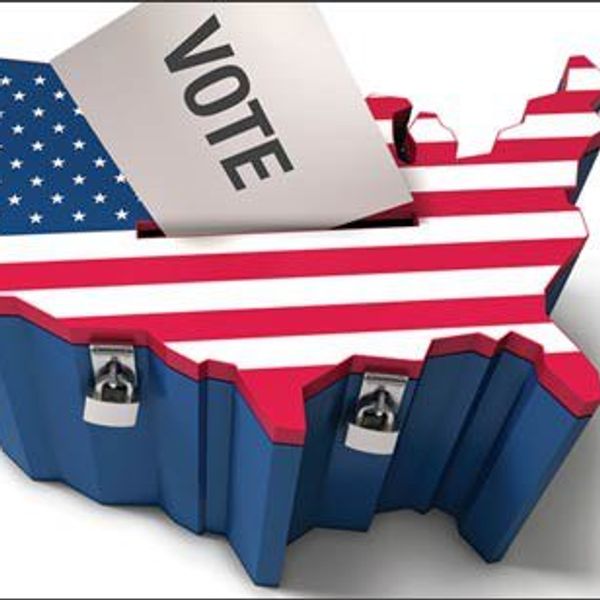
The Brexit, I think, and the pound’s consequent dive (over 10 percent already), among other serious economic consequences associated with this referendum, serves as a poignant example for what can happen if voters are not present enough in the decision making process. Those who did not vote because of not registering in time or other reasons which are more common among younger voters inadvertently determined the fate of their country. Though there are clearly many other factors at play, this issue seems to be of increasing relevance in recent elections in the US and UK, and seems to be one of the most preventable causes of elections resulting in upheaval and widespread dissatisfaction.
The overall voter turnout in the UK was 72.2 percent, according to data provided by the Telegraph. This is significantly higher than the average US percentage, with generally 60 percent of eligible voters turning out in presidential elections, 40 percent in midterm elections, and even lower in odd year, primary, or local elections. (More information on US voter turnout here.) US voter turnout is among the lowest of developed countries, despite the influence which the United States has in global affairs.
I feel as though the sense of invincibility which youth can sometimes encourage can contribute to a sense that things will work out even if we are not very careful. However, it is vital that each and every decision which a nation makes collectively is actually a result of that decision being made and assessed by all voters. If not, then the democratic system of voting, which is designed as a way of measuring public opinion, is not an accurate parameter of the people’s will, and that system fails. It is the responsibility of all those eligible, then, if they want a certain outcome, to create it themselves.