It's 2001 and you have just bought the greatest car in the world. It's fast, durable, and fuel efficient and it tailors to those that love to just drive casually and to those adrenaline junkies that love thrill. You own this wonderful car for seven years and it never breaks down and it never ceases to amaze you. Then the car company starts to tease out rumors of a new car. The successor of your trusty car. It's promised to be so much better than the 2001 car and people are hyped. The whole driving community is on their toes waiting for the release of the new car. Days before release, people were lined up outside the dealerships earnestly waiting the arrival of the new car. And then the car dropped... and people were left in awe. The new car was horrible. Gone was the speed and the durability. In its place was a slow, sluggish, heavy and boring replacement. The car company had taken everything that the driving community had loved with the previous model. To them it was a giant slap in the face.
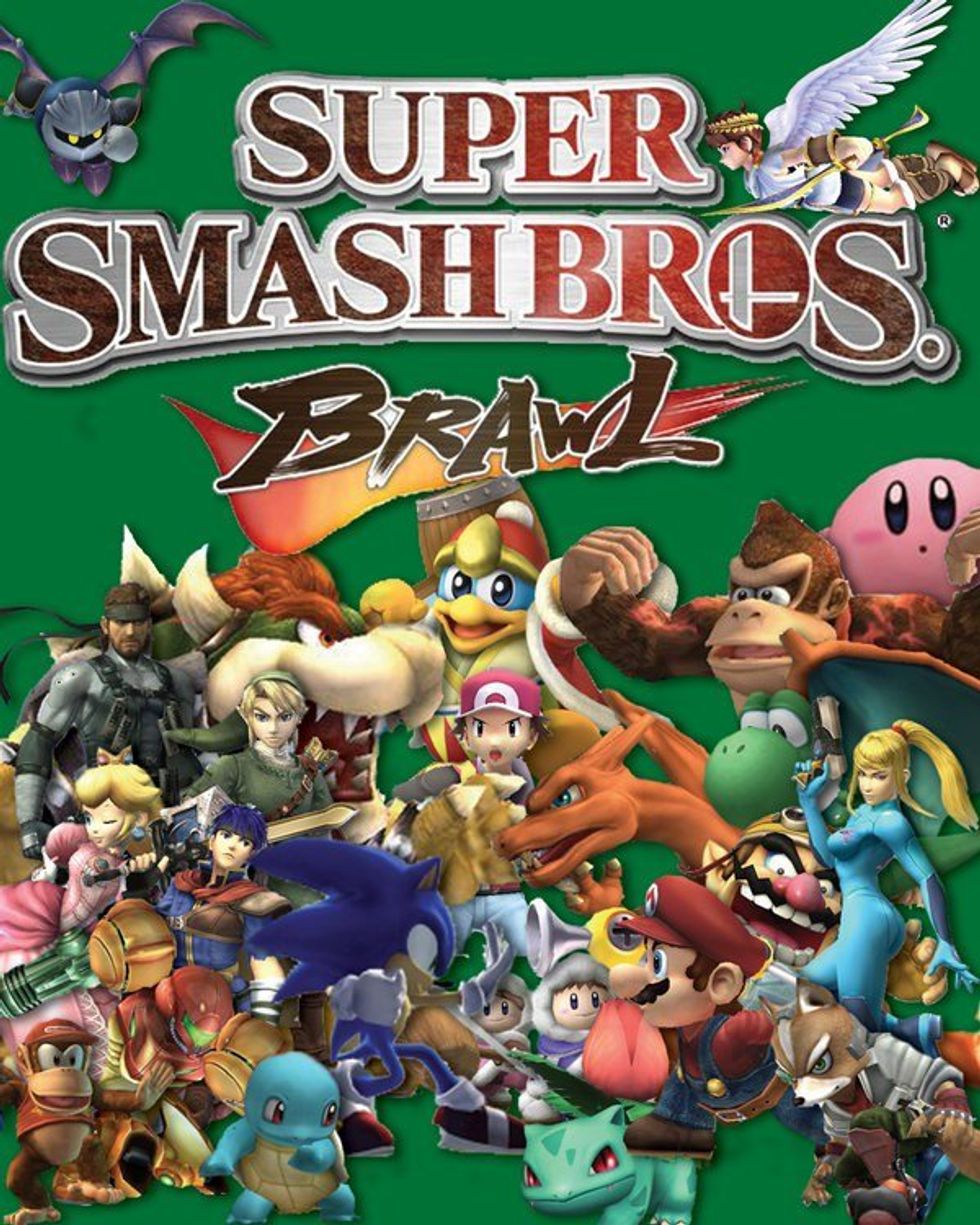
This is a good analogy on how to describe the reception of Super Smash Bros. Brawl for many people that played Super Smash Bros. Melee. For six years, Melee players had explored this "glorious accident" and had created a community based around this game. To them it was their happiness, it was their love. However; Brawl was a giant slap in the face. Since its creation, Nintendo has tailored its games to the vast public. It wanted to be the family gaming system for the common family. But in this process they seemed to cut off a portion of their most diehard fans. Brawl was no exception from Nintendo's main goal. It was meant to be a party game that would bring people together through beating your friends with famous Nintendo characters like Mario and Pikachu. They also slowed the game down, changed the game engine so combos were harder to string togehter and removed many of the advance techniques that made melee so popular in an attempt to try and level the playing field. Melee is hard to master. Plain and simple. It requires many precise hand movements that takes hundreds of hours to master and even more to then implement into gameplay. It's this constant need to practice and want to improve that keeps players playing the game today. To even be somewhat viable a player needs to be able to wavedash and waveland consistently, L-cancel, DI and SDI, tech and react to tech traps, Powershield, and learn basic match ups. Then there are character specifics techniques that need to be learned. It's a deep game for something that was made in 13 months but this is what is so intriging about the game. Brawl on the other, hand removed the two most important techniques: Wavedashing/Wavelanding and L- canceling. Those two techniques turned melee into a simple fighting game into a fast based melee. Wavedashing takes advantage of the directional airdodge that characters perform when the player presses the shield button in the air. When a player shields in the air and inputs a direction they will move in that direction. If done fast enough right after pressing the jump button the player will slide across the ground. A wave land is like a wavedash but instead of air dodging after a jump the player would airdodge right before they land on the ground. L-canceling is also very important. When a player is in the air and then uses a move the move lasts for a certain amount of time. If the character touches the ground during the move they will expreience end lag. L-cancelling halves this end lag. To L-cancel the player just needs to press the sheild button within a tenth of a second before landing. Might not seem like much but each character has different fall speeds and it can get a bit tricky without a lot of practice. Nintendo didn't stop there when they created Brawl. They instituted many changes that turned Brawl into a casual players dream and even implemented some aspects that stomped down competitive play. The most notorious was tripping. In melee there was a technique called dashdancing. Dashdancing was using certain dash lengths to move back and forth and try to trick the other opponent. In Brawl, a player can't dash dance because characters randomly trip and fall on the ground. Once on the ground your opponent could react and punish you for something that wasn't your fault. Don't get me wrong, Brawl is a great game. The diverse cast, and the music are something to be praised and its a joy to play casually but for those with competitive spirit it falls short.
For the Smash community, Brawl seemed to spell their final days. To them it seemed like Nintendo didn't want to support the community in any way and to some it seemed like a direct attack. Some players did try to create a competitve scene and it florished for a bit but as a whole it seemed like the competitive community was dying. That all changed of course with the Revival of Melee tournament series.
If you want to learn more advanced techniques in Melee and want to see what the scene is like head over to http://smashboards.com/, or watch the Smash Documentary on youtube (caution its quite long)