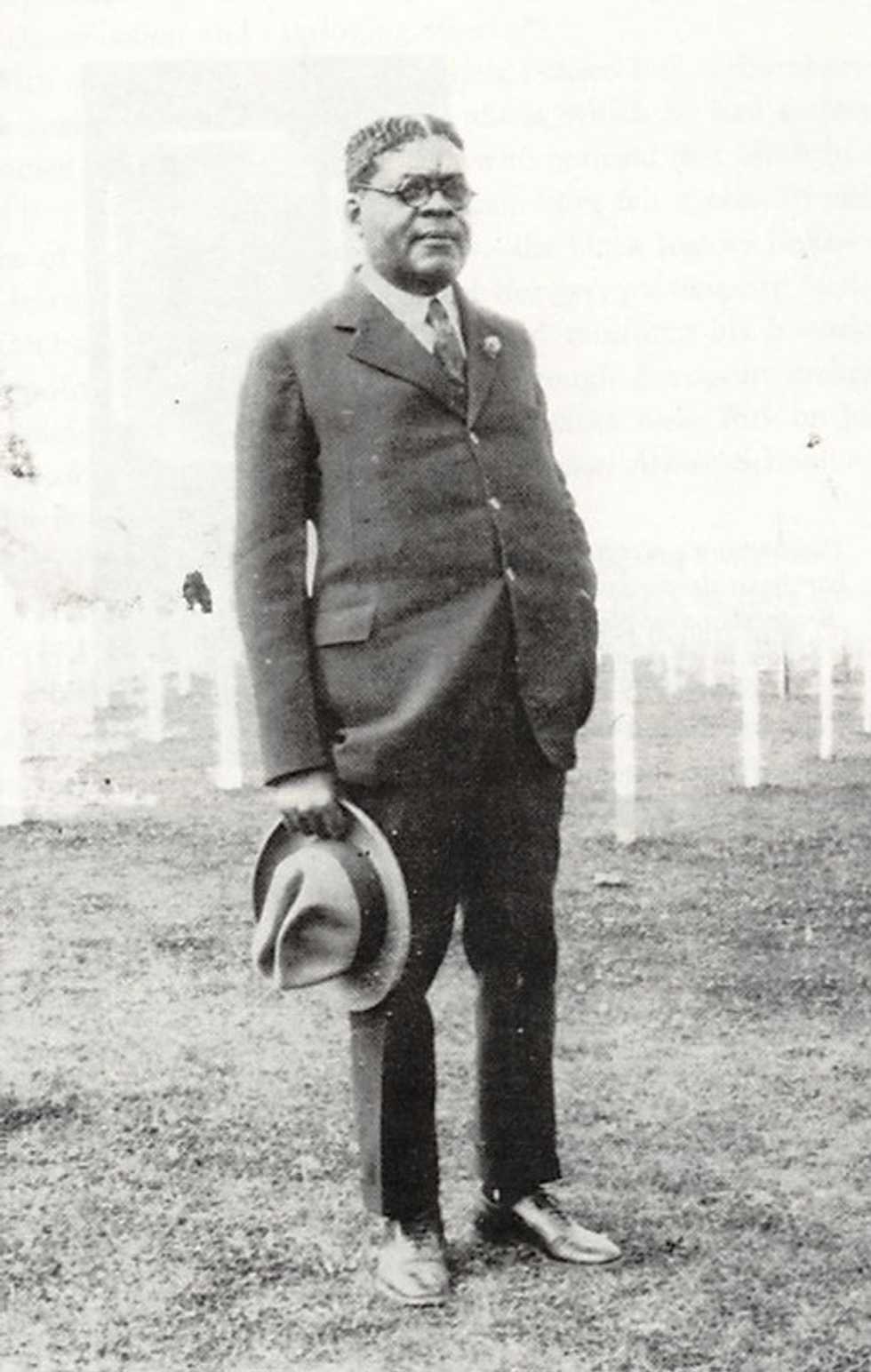
In celebration of Black History month and as a dedication to my grandchildren, half Hispanic and half Black Jamaican, I wrote this piece on a famous Latino Black American (or, as he calls himself, an “Afroborinqueño," which translates to Afro-Puerto Rican), Arturo Alfonso Schomberg, or Arthur Schomburg.
Arturo Schomberg is a Black Puerto Rican historian, writer, and artist. He collected, contributed, and educated the public through research and writings of Afro-Latinos and Afro-Americans. He was an important influence on the Harlem Renaissance. Arturo Schomberg collected art, literature, and recorded slave narratives of Latino and American African History. All this history and more is part of a Research Center in Harlem. It is also part of the New York Public Library named after him, called “The Schomberg Center for Research in Black Culture” on 515 Malcolm X Blvd, New York, NY.
He was born in Santurce, Puerto Rico, which is presently known as San Juan, on January 24, 1874. His parents were Maria Josefa, a free-born Black midwife from St. Croix, and a German-born merchant, Carlos Federico Schomberg. His vision and drive began in grade school, when one of his teachers claimed Blacks had no history, heroes, or accomplishments. From that point on, his mission became to prove how erroneous and ignorant this allegation was. He was educated at San Juan’s Instituto Popular and continued to St. Thomas College, a Danish College in the Virgin Islands, and studied Negro Literature.
Schomberg immigrated to the U.S. in April 1891 and settled in the Harlem section of New York City. He met and married Elizabeth Hatcher and had three sons. He was widowed five years later in the year 1900. Two years later, in March 1902, he remarried and had gone on to have two more sons.
While supporting himself and his family, Schomberg began his literary work and research on the Caribbean and African American History. His first piece is known as “Is Haiti Decadent?," published in 1904. In 1909, he wrote “Placido, a Cuban Martyr” about a poet and independence fighter, Gabriel de la Concepcion Valdes.
In 1911, Schomberg co-founded with John Edward Brice the New Society for Historical Research, to support cultivated intellectuals and research Black history. It was the first time Africans, West Indians, and Afro-Americans were united in an intellectual forum. Later, Schomberg was elected President of the American Negro Academy, founded in Washington DC in 1874, which advocated Black history and literature.
Schomberg took part and was one of the essentials in the Harlem Renaissance Movement, which spread to other African American communities in the U.S.The concentration of Blacks in Harlem from across the U.S. and the Caribbean led to the development of artistic, intellectual, and social movements. He was the co-editor of Daniel Alexander Payne Murray’s “Encyclopedia of the Colored Race." Later, in 1916, he published the first notable bibliography of African-American poetry, named “A Bibliographical Checklist of American Negro Poetry."
In 1925, Schomberg published an essay he wrote, “The Negro Digs Up his Past," which was a scholarly description of life in Harlem. It became well known and influential in the Black communities of the U.S.
In 1926, Ernestine Rose, a Librarian of New York City 135th