Maybe all the "Lemonade" hype has died down, or perhaps it hasn’t. Either way, I’m still marveling at the composition that graced televisions across the country even a week later.
There are certainly plenty of standout lyrics that have us scratching our heads quick to call controversy, but the overall flow of the visual album carries a weight that outlives any of the small jabs. The main idea of the hourlong compilation of songs comes through shortly before its closing. It is indeed true to note that Beyoncé was not alone in her creation.
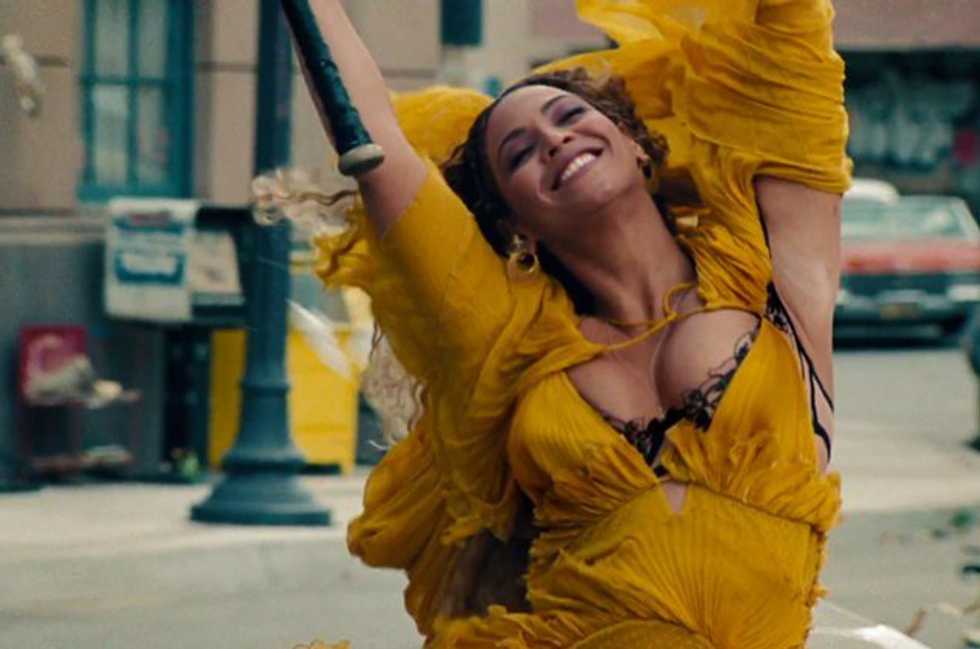
She gleaned inspiration to purposely enclose generational, racial, and social gaps that spanned continents, media outlets, and cultural avenues. Throughout the entirety of the piece, we are intensely drawn to the album title and left wondering whether or not Beyoncé could actually be referring to the yellow-colored, sweet beverage. Instead, she is alluding to the pivotal moment in matriarch Hattie White’s speech: “I was served lemons, but I made lemonade.” And in our own little ways, we are all contributing our fair share to this lemonade-making process.
Beyoncé has been hailed as the booty-rumpin’ club anthem queen of the 21st century. Quite recently, however, she has flipped the script on the much-needed discourse surrounding the struggle from a particularly intersectional angle. From sneakily dropping her eponymous album in the wee hours of Dec. 13 on iTunes without any prior notice to claiming a spot on HBO to premiere her energized tracklist, Beyoncé Knowles-Carter is truly revamping the music industry. Critics are disappointed that she’s decided to stray away from songs solely about dropping it low with the single ladies whilst others are casting away the hate to embrace the new.
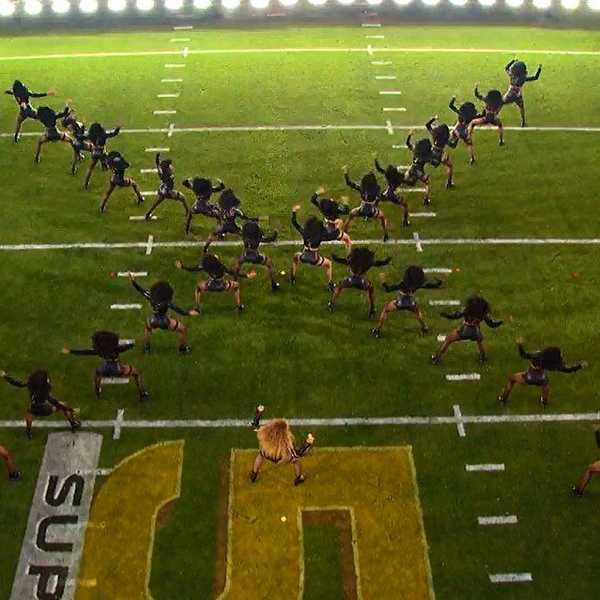
Formation drove "Lemonade" to the forefront of conversation when Beyoncé emphatically delivered her strongly charged “Formation” video and musical debut at Super Bowl 50. Broadcasting her Southern-fueled ode to colored women calling for a unification effort, she urged the conversation surrounding the black experience in America. She has proven to us, as of late, that she has no intention of silencing the narrative of a large constituency of Americans. When the focus of her songs turns to healing after a bout with infidelity, the damaging national effects of police brutality, and channeling a place of power as a woman, people have somehow claimed that she has stepped too far away from “normalcy.”
What constituted her normalcy to begin with?
It was just a matter of time before Beyoncé would feel comfortable enough to amplify her concerns on a national level and nonetheless deal with the backlash of a population of Americans who continue to deny the existence of racism and sexism in the first place.
Now that the woman has cranked out a series of five number-one studio albums, she can frolic through the field she dominates as someone who fears not; take on the big stage and sing out about being undesirable, minimized to little to nothing, and immersed in a depressive state, which is an affirmation in itself. America’s prized possession has outed herself as a black woman who need not be praised. She has likened herself to nearly every black woman in America in all that she has done, overcome, and experienced.
I was never satisfied with ethnic hairstyles fashioned on myself. It's unnerving to some to think that Beyoncé made it cool to wear them proudly, but for me at least, she did. There is absolutely nothing wrong with wearing weaves, wigs, and extensions. It's just especially nice to not have to accept Eurocentric standards as the only way to be beautiful. You are able to understand that beneath it all, exists a woman proud of her culture rooted in blackness -- baby hair, cocoa skin, afros and all.
Her selective cameos which included Amandla Stenberg, Serena Williams, Quvenzhane Wallis and a spoken word featuring Warsan Shire’s heartfelt words all moved over a crowd of listeners in the best way possible. We’ve all got enough Instagram captions to last us the rest of the year, but what I managed to take from the collection is worth far more than that. "Lemonade" is that warranted declaration of strength that we have subconsciously been waiting for.
Nonetheless, the conversation is all-inclusive. You need not be a black woman to listen in on the nearly tangible emotional roller coaster. Join in and grasp the national conversation that has left many reeling. And learn, just learn that it doesn’t matter what you are served. Learn to make lemonade just as well.