



Everyone will have their claims for why their country has the best cars, but in my opinion (based on popularity), the three main countries we look at here in the US are: Japan, Germany, and the US. To find the best car making country out of those three is hard to figure out though. The best way to decide what you want depends on 3 key points: reliability, performance, and maintenance.
JAPAN:
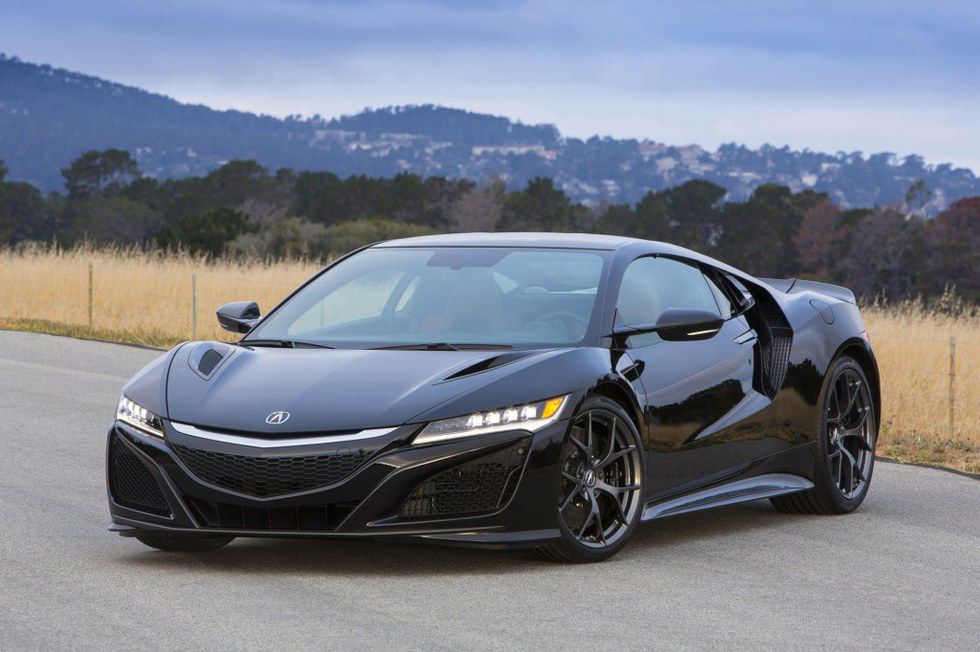
Reliability: Everyone knows that, for sake of reliability, you should buy a Toyota or Honda. Hands down, they are the most reliable car brands on the market. Toyota Camrys and Honda Accords are sedans that will easily do 150k+ miles on the road, as long as they are treated right, which is what they're made for. Their trucks and SUVs, like the Toyota Tacoma (known in other countries as the HiLux) and Toyota 4Runner can be beaten down senselessly, and yet will still manage to be able to run (obviously not in tip-top shape, but run nonetheless). Jeremy Clarkson demonstrated it in Season 3, Episode 5 of Top Gear, in which he abused a Toyota HiLux "lightly" on the streets of UK, drowned it in the Bristol Channel, set it on fire, and when all those attempts to kill the truck failed, they dropped a building on it too, and even that failed. If that doesn't say reliable to you, then I don't know what does.
Performance: Though they were not huge in the pony years (debut years of cars like the Ford Mustang and Chevrolet Camaro), but Japan absolutely dominated the 1990s. The main five car brands of Japan: Honda, Toyota, Nissan, Subaru, and Mazda; made cars that outclassed other performers from other countries. Toyota had their Mark IV Supra, Honda (or Acura in other countries) had their NSX, Nissan had their R33 and/or R34 Skyline GT-R, Subaru had their 22B Impreza WRX STi, and Mazda had their FD3 RX-7. Tuning at that time and nowadays makes these cars capable of easily twice their factory limited original horsepower figure. The only problem is that all of the said cars (except for the Acura NSX) are not available in the US, and since then, Japanese brands have somewhat strayed away from making great performance machines while in pursuit of fulfilling the everyday needs of those who just need to get from point A to point B.
Maintenance: As this relates a lot to reliability, considering that the more you have to pay attention to maintenance, Japanese maintenance is of the cheapest, even in different countries. Aside from a luxury fee in some cases (being for brands like Lexus or Acura), Japanese cars are probably the cheapest to service. Though replacement parts may not be as easy to find as American parts, because of popularity of Japanese cars, they are still pretty easy to get your hands on them, but are probably a bit more expensive. However, replacement parts are not as common of a purchase depending on how much you abuse your car.
GERMANY:
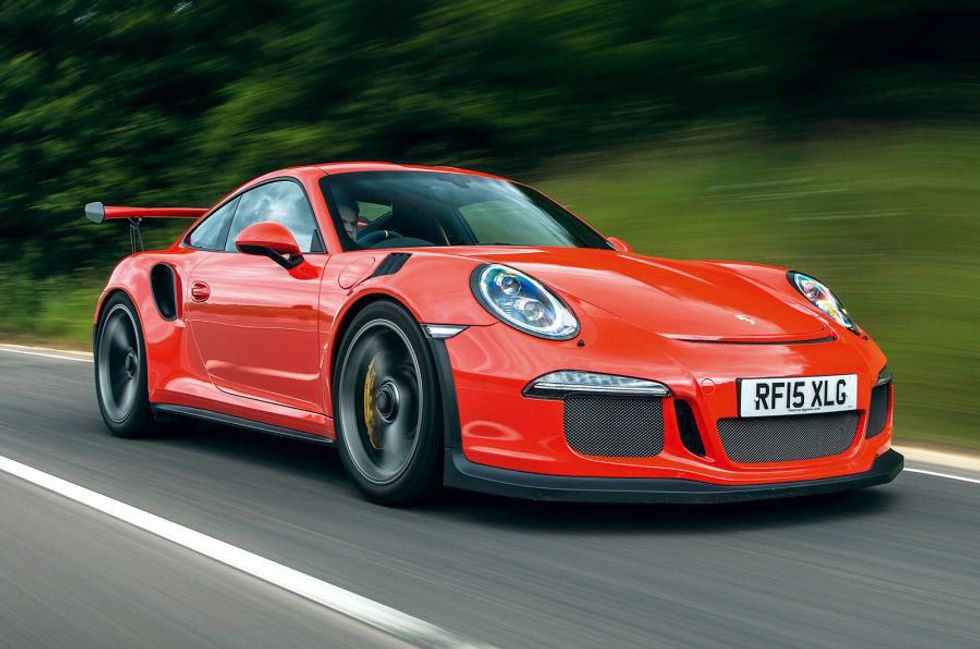
Reliability: German engineering, though mainly geared towards performance, has never really had the best "track record" when it comes to reliability. It's common that, after a certain amount of miles on the odometer (such as 60k), things start to break on a car. It could be anything, from a minor fix like headlight fixture breaking (not actually a minor fix, but in this case it is) to a major problem like transmission failure. But it's like as soon as a car passes a certain mileage, it starts to fall apart.
Performance: The Germans definitely know what they are doing when it comes to performance, especially from car brands like BMW, who make the M-Division cars; Porsche, who make super cars like the Cayman GT4 and the 911 GT3-RS; and Audi, who make super cars like the S-Division cars and the R8. Even outside of their main performance divisions of said brands, the regular road cars themselves are quite brilliant when it comes to power delivery and sportiness as well. They all have punchy throttles, sporty suspension, sharp braking, and full steering response. This makes them great cars, though now you can understand that when cars are tuned nicely like them you can see why their reliability and maintenance are "not the best". And as much as I would love to talk about the Volkswagen Group Diesel scandal, I won't for the sake of length for this article. Perhaps later on, I will cover it.
Maintenance: As miles of honing around your town increases on your car's odometer, more often for German brands, things start to break. Repairs, as well as general maintenance, ends up being most expensive out of the three here in the US. Naturally, things start to take a hike in price when it comes to the specific needs of german cars, since they are different from the regular Japanese or American cars, especially when things need repairing. A lot of replacement parts may not be able to be found at the regular autoparts store, and most owners have to go to the dealerships, where parts and services are more expensive considering that they're being sent directly from Germany.
U.S.A:
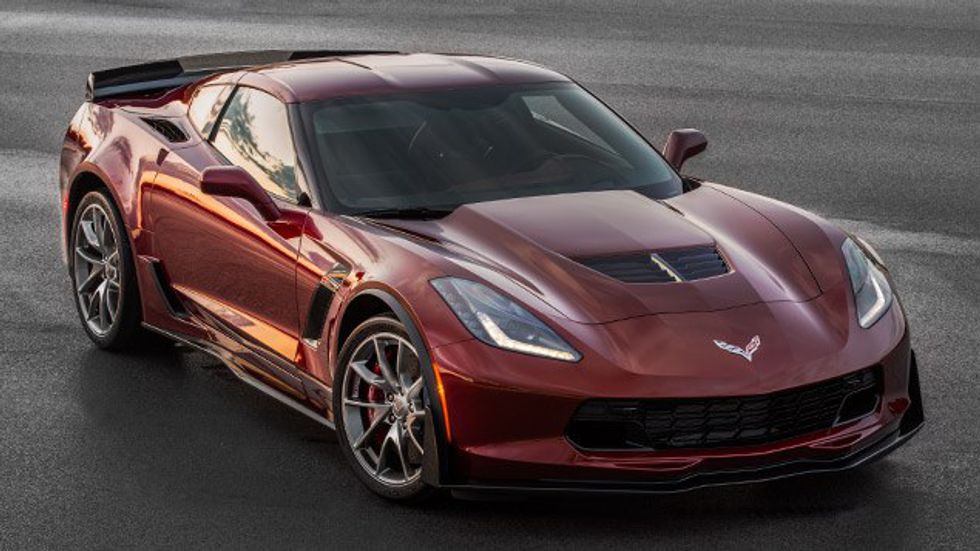
Reliability: Depending on the market, American cars can be very reliable or not very much. Of course, in the truck and SUV market, America is a top contender, being what I consider a backbone in America's labor industry as well as for daily driving. American muscle can be considered pretty reliable being part of the performance market, especially since basically every part you need for the drivetrain of one can be found at your local autoparts store. However, when it comes to family sedans and compact cars, American is not a popular choice. In some cases, not even above Germany. The issues that come along with owning an American compact car can range from leaky seal points to whole transmission failures. And the problems can start whenever. Personally, I do not like Ford's transmissions (both automatic and manual), and they always seem to have problems with them except for cases like their top tier performance cars. It seems that the other companies, GM and Chrysler, are on the same boat, but with different conflicts to take care of.
Performance: American muscle has always been revered in car culture, especially with classics like the Plymouth Barracuda and the old Ford Mustang Shelby GT350. However, there was definitely a timeframe between the mid 1970s and the 2000s where American muscle took a turn for the worse after they had to comply with new (at that time) emissions laws. The American Oil Crisis of the 1970s forced the "big three" (GM, Chrysler, and Ford) to make more fuel efficient cars in all aspects of their lineups. This caused a decline in good performance until recently. I believe that American performance is making it's way up the leaderboards, especially with today's muscle cars in production. Also, Ford has made a great stride back into supercar territory with their new Ford GT. That being said, there is a very large difference between their performance division cars, and their regular lineup cars. It is very apparent where money is being thrown. They know that those who want higher performance are willing to pay more for it, therefore those cars should have more perks than the regular cars. Though that is not a wrong idea, American car companies really exaggerate the differences, which hurts them in lower price ranges.
Maintenance: A strong point for American cars being in America is that parts can easily be found at your local autoparts shop, depending on how specific. That being said, some things (in pretty rare cases) that may need to be ordered or custom fabricated, but that's usually for more performance. Maintenance for American cars is very easy to deal with, especially for general maintenance. Though maintaining may be a pain when things break and need replacing, but since it is an American car in the United States of America, replacements are quite simple. If you cannot do some repairs or maintenance yourself, as most people, taking your car to a service center is not a problem. The only problem you may face is how often you may have to go, depending on what breaks or what needs servicing.
Based on the points made above, I feel that Japan has the best cars for where I am at this point in life, meaning being a college student on a tight budget. I would love to have a muscle car or German performance car at some point, but other than that, Japan best suits needs for everything else. So it's really up to you. How much do you want to spend and how much fun do you want to have?

















