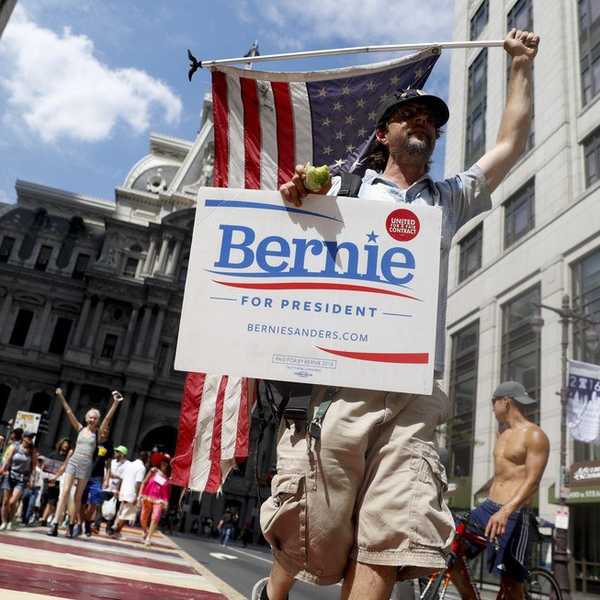
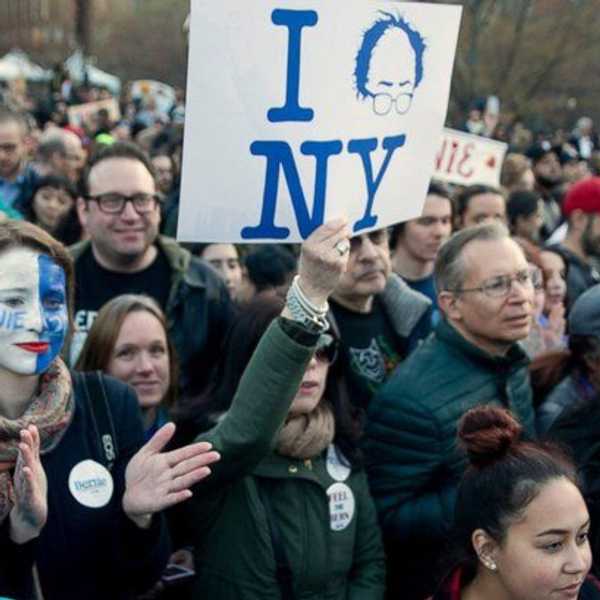
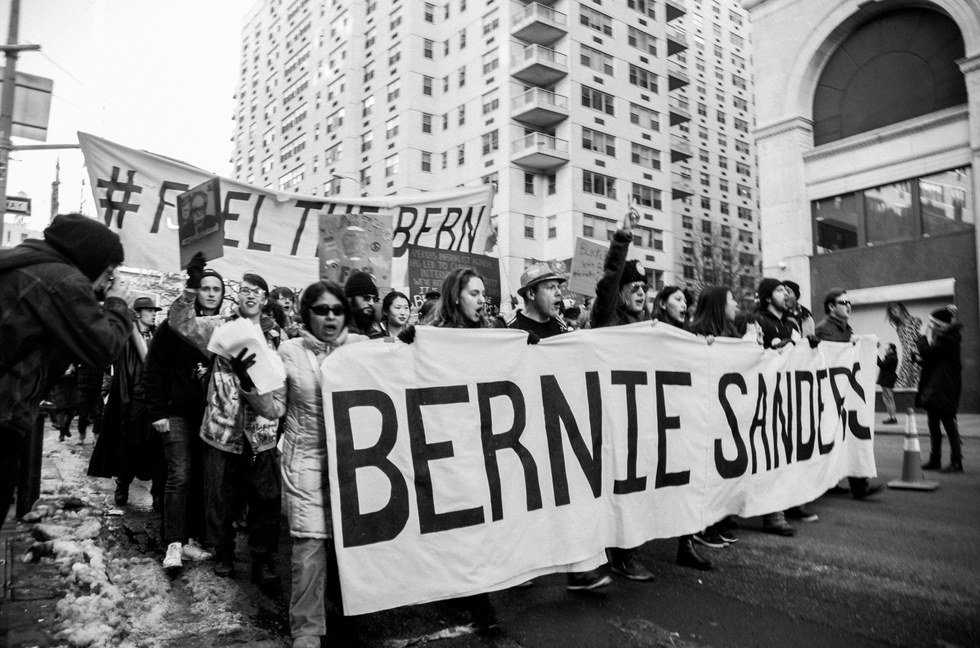
Supporters for presidential candidate Bernie Sanders marched from New York’s Union Square to Zuccotti Park on Jan. 30th, 2016 as part of a nationwide “March for Bernie” (#MarchforBernie trend true to Sanders’ grassroots campaign. The march was originally scheduled for Jan. 24th, 2016 but was canceled due to the imminent snowstorm, Jonas.
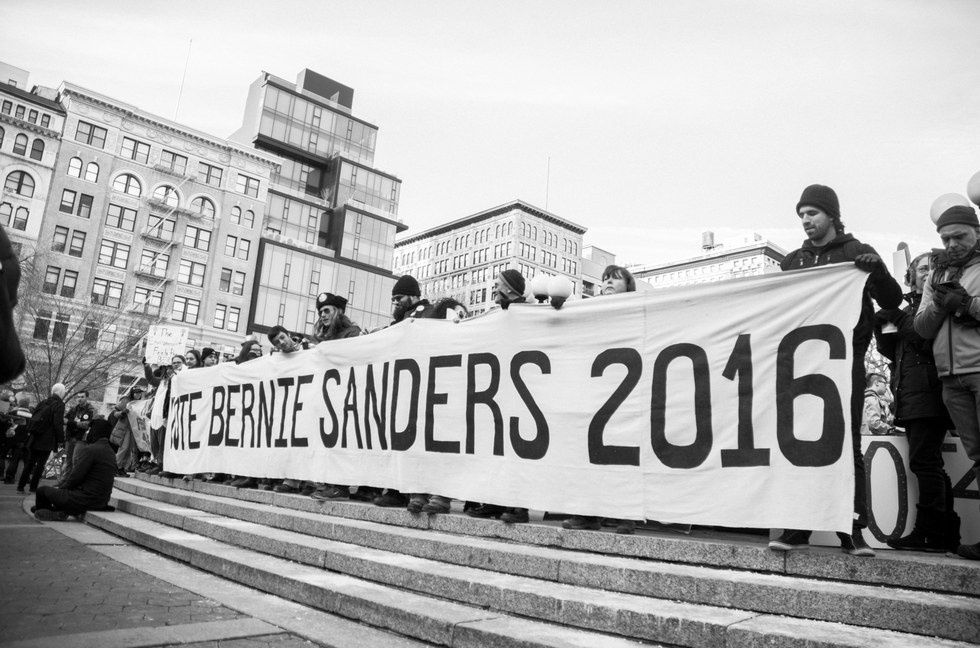
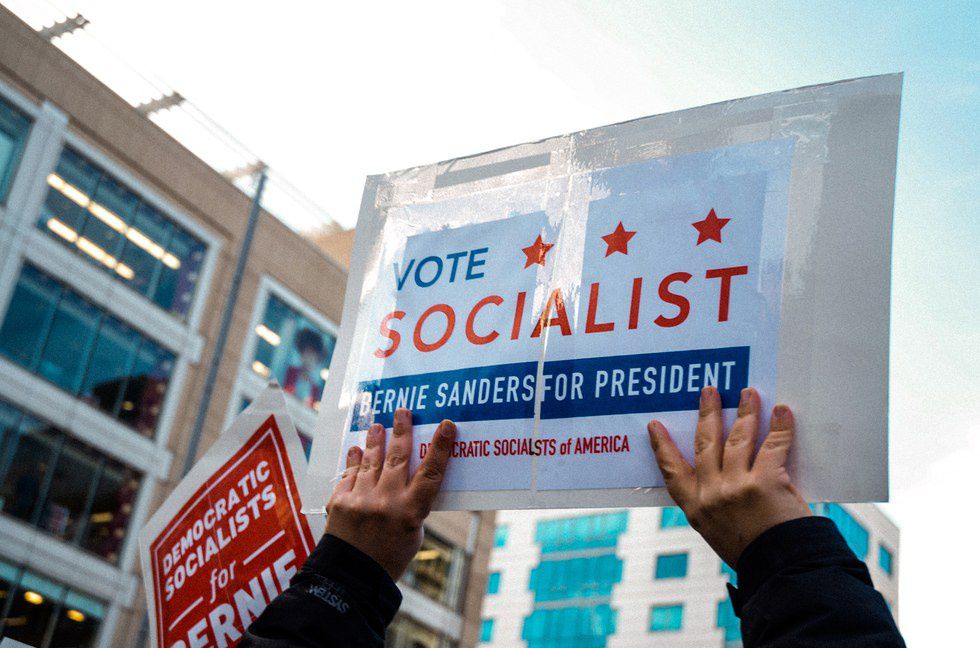
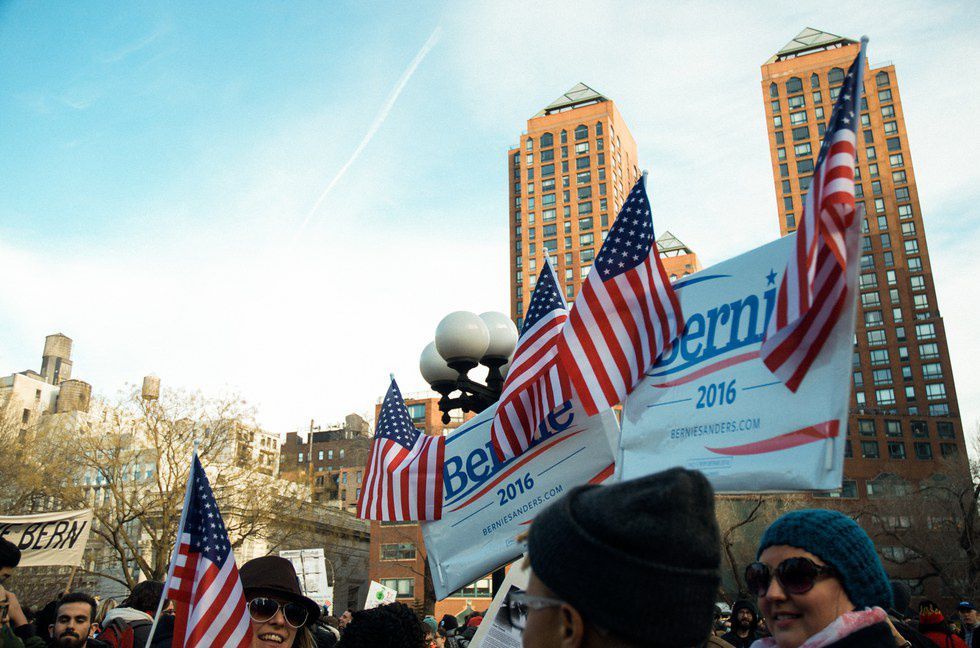
Had the demonstrators gathered in Union Square on the 24th, New York City would have joined the 35 other cities participating in the first-ever nationwide march for a presidential candidate. Over 25,000 people marched peacefully through political or otherwise important landmarks in their respective cities and yet garnered little attention from the press.
The most newsworthy march, however, may have been the one in New York City. With chants against big banks and corporations and an ending destination at the (perhaps now) infamous Zuccotti Park, the NYC march is all too reminiscent of Occupy Wall Street back in 2011.
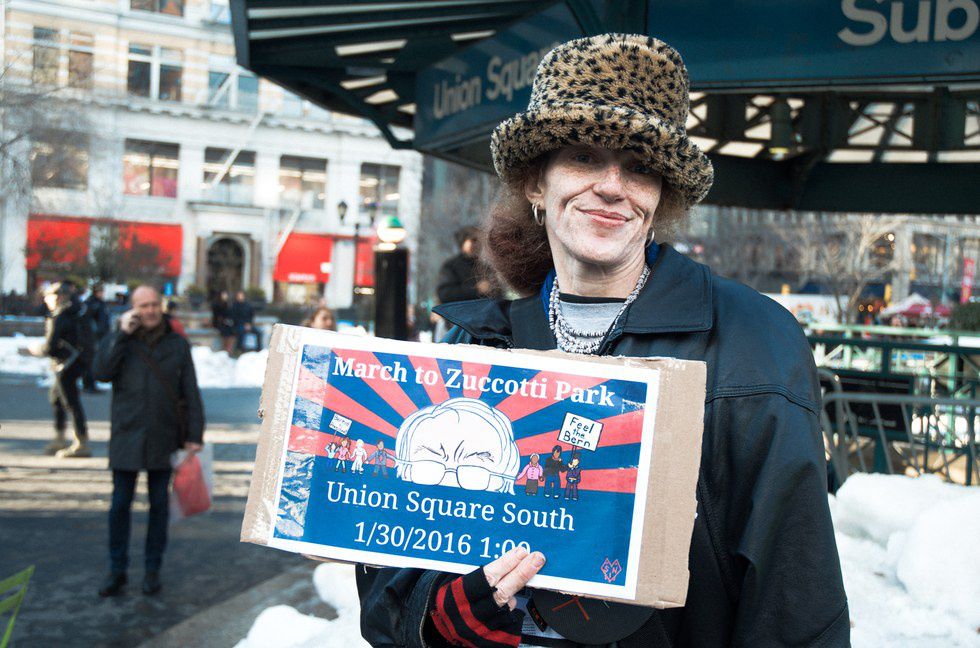
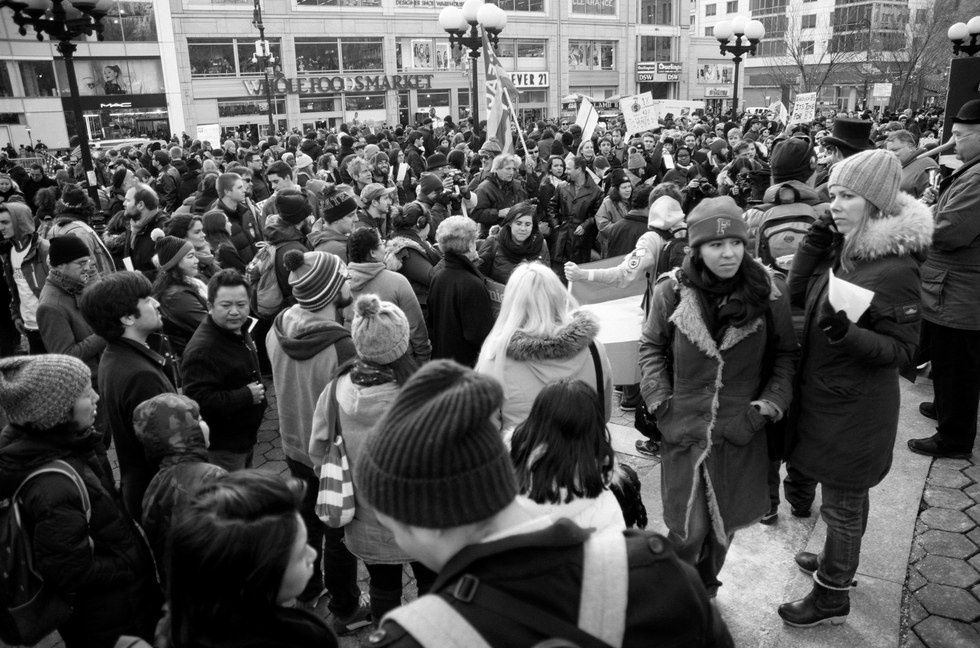
The decision to march to Zuccotti Park is no coincidence. Sanders’ political platform encompasses much of what Occupy Wall Street stood for, mainly the amelioration of income and wealth inequality along with the reformation of Wall Street.
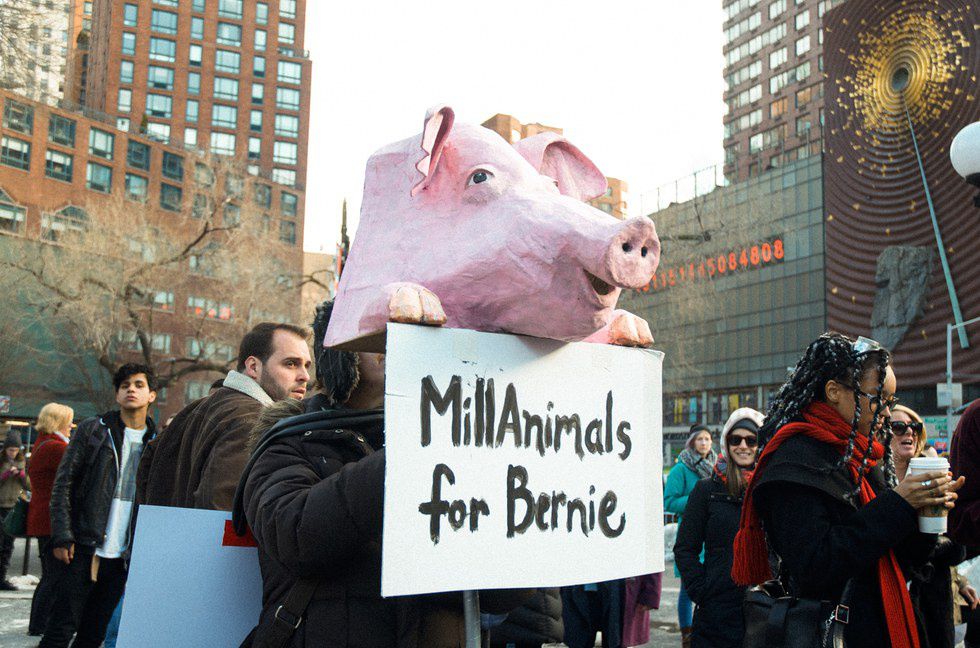
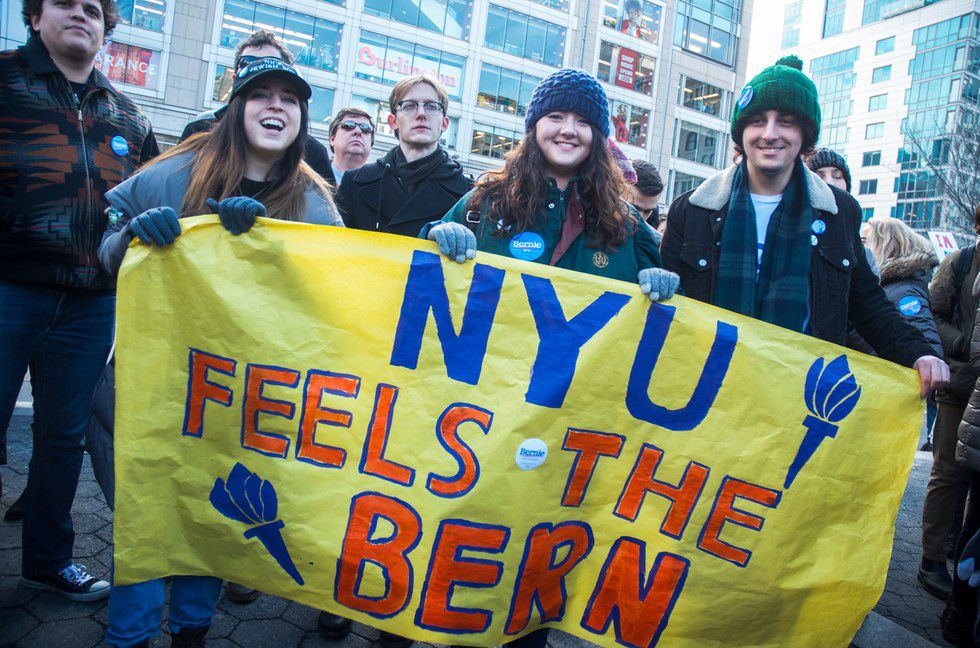
Regardless of Senator Sanders’ ideas, the March for Bernie campaign and others like it are of utmost importance at a time where 58 percent of eligible voters choose not to vote. And while a bulk of Bernie’s supporters are ages 50 and under, voter turnout for people ages 18-34 is dismal. Of the 75 million people ages 18-34, only 23 percent of them vote come election day.
Can these rallies make politics of enough interest to young voters? Viewed as more of a movement, I believe it can be. And maybe this is why Bernie has garnered such a large following of young people, with 78 percent of individuals 18-44 choosing Bernie over Hilary Clinton in a recent Iowa poll: frustrated by previous, seemingly elitist agendas, many young voters are excited by a successful grassroots campaign that encourages supporters to organize independently in the name of change.
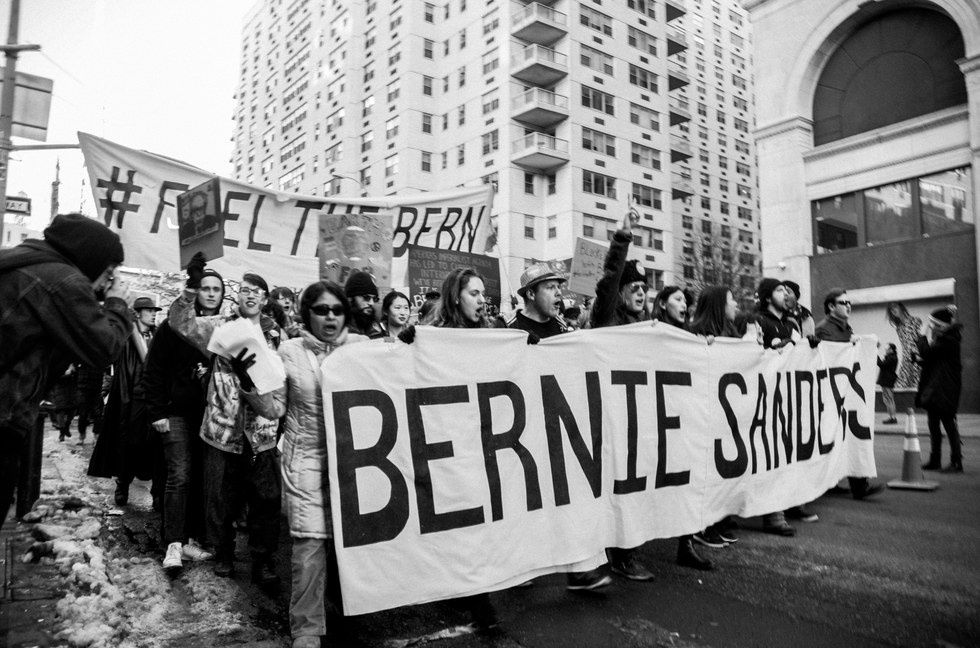
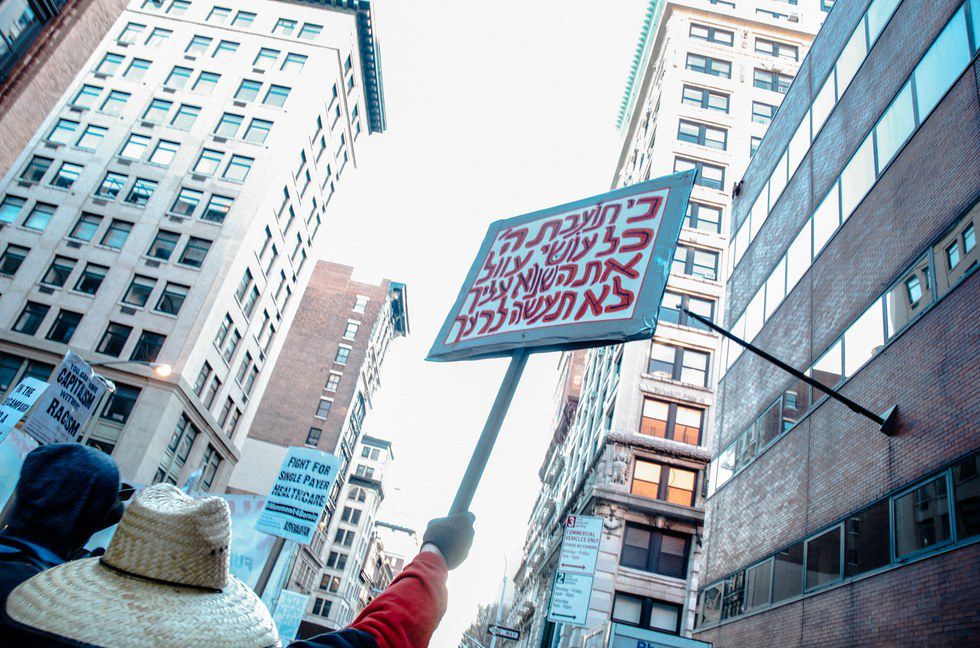
Bernie Sanders’ campaign, more than any other campaign in either party, has drawn in large crowds and huge support from small donors. And the campaign is eager for people to know; much of their advertising includes this fact and clearly asks for only $3 donations from individuals rather than generous ones from large corporations. These new supporter-operated rallies involve many more people than those physically participating; hundreds of people stopped to watch, chat about, or, in the case of young people, photograph the march and share it on social media.
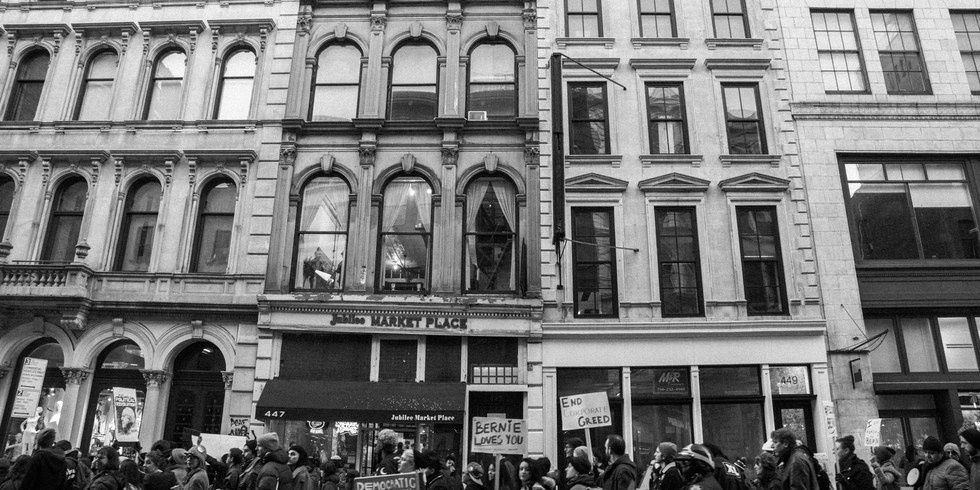
Seeing how important individuals are to furthering Sanders’ campaign and knowing that individuals are making change by participating, it’s easy to understand why young people are excited about Bernie and showing their support. Young voters feel powerful.
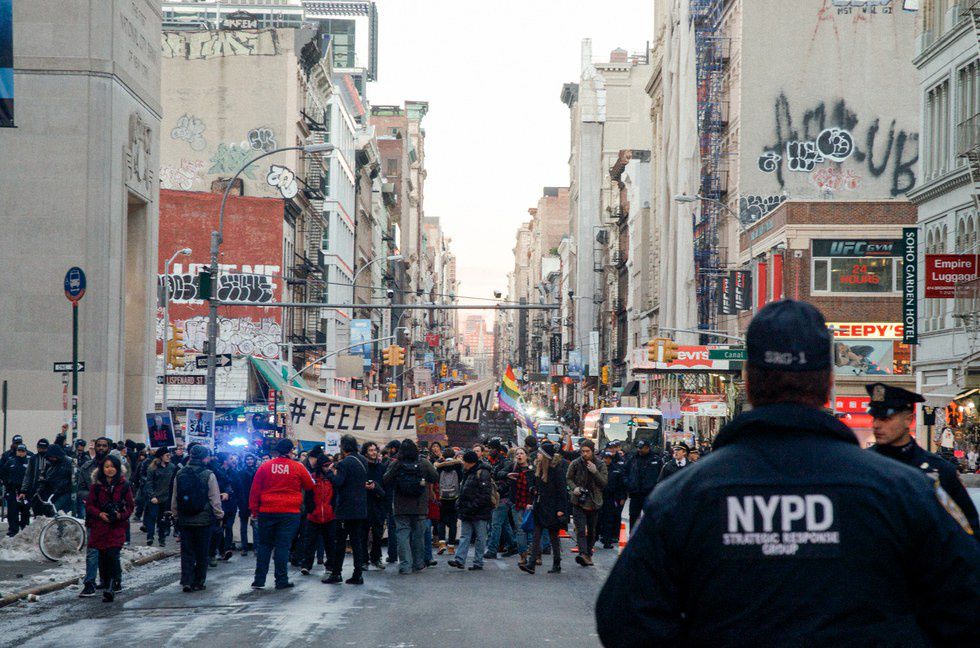
Regardless of the upcoming election’s outcome, Senator Sanders’ campaign is sure to leave a mark on the U.S.’s political geography, if not for solely fueling the fire for young voters.